
Plants
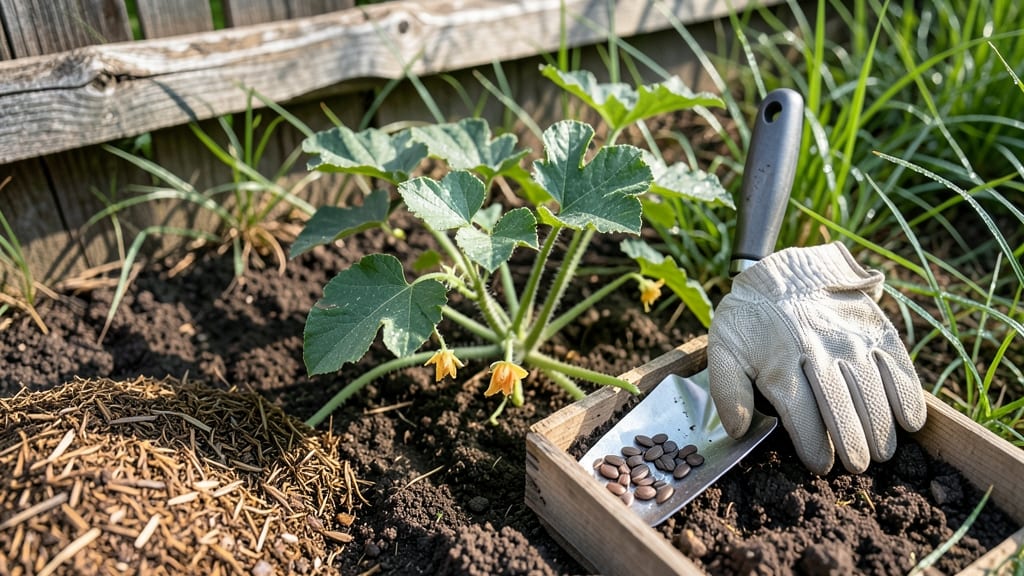
To plant watermelon seeds in California at the perfect time, you need to wait for soil temperatures to hit at least 70°F—not just the calendar date. That’s the real game-changer for fast, reliable sprouting, especially in 9b-10a zones where cool coastal breezes can delay growth.
Skipping this step means risking seeds that rot in damp soil or vines that struggle to establish. I’ve seen gardeners in Southern California plant early and watch their 🍉 seeds take weeks to germinate—or worse, never break through.
The key is patience paired with a simple trick: use a soil thermometer to check warmth before dropping those seeds.
Here’s what you’ll discover: the exact planting windows for your region, how to speed up soil warming, and which watermelon varieties thrive fastest in California’s varied microclimates. No more guesswork—just a straightforward plan to get your vines off to a fast start.
Whether you’re a first-timer or a seasoned grower, these insights will help you avoid common pitfalls and maximize your harvest from June through September. Let’s make this your most successful watermelon season yet.
California’s ideal watermelon planting window by region (soil temp guide)
Watermelon seeds in California need soil temperatures of at least 65°F (18°C) to germinate, but 70°F (21°C) or warmer ensures fast, reliable sprouting. Since California’s climate varies wildly—from coastal fog to desert heat—your planting window depends on where you live.
In Southern California (USDA Zones 9b-10a), you can start as early as late February, while Northern California (Zones 8a-9a) may need to wait until mid-April or later.
Coastal areas like San Francisco or Santa Barbara often experience delayed soil warming due to ocean breezes, while inland valleys like the Central Valley or San Joaquin Valley can hit ideal temperatures by March.
Microclimates matter: a sunny south-facing slope warms faster than a shady north-facing garden. Always check soil temp with a soil thermometer before planting—don’t rely on air temperature alone.
Here’s how to match your region to the perfect planting window:
| Region | Soil Temp Threshold | Best Planting Window | Microclimate Adjustments |
|---|---|---|---|
| Southern CA (LA, San Diego, Riverside) | 70°F+ (21°C+) | Late February - Early March | Desert areas: plant in February. Coastal: wait for March. |
| Central Valley (Fresno, Bakersfield) | 68°F+ (20°C+) | Mid-March - Early April | Inland valleys warm fastest; use black plastic mulch if planting early. |
| Northern CA (Sacramento, San Francisco Bay) | 70°F+ (21°C+) | Mid-April - Early May | Coastal fog delays warming; plant in sunniest microclimates first. |
| High Desert (Palm Springs, Joshua Tree) | 65°F+ (18°C+) | January - February | Extreme heat tolerance; shade cloth needed in summer. |
If you’re in a transition zone (like Santa Barbara or Monterey), split your planting: sow half in March and half in April to hedge against cool springs.
For container growing, use black pots to absorb heat—these can warm 5-10°F faster than regular containers. Pro tip: Place pots on dark-colored trays to boost soil warmth.
Direct-sowing is best for watermelons—transplants struggle with root disturbance. But if you’re in a cool microclimate, start seeds indoors 2-3 weeks before your target outdoor date using heat mats to keep soil at 80°F (27°C).
Harden off seedlings for 10-14 days before transplanting after all frost risk has passed (though most of CA is frost-free year-round).
Watch for false starts: seeds may sprout in cool soil but rot if temps drop afterward. If germination is slow (14+ days), your soil is too cold. In Northern CA, consider row covers or cloches to create a warmer microclimate.
For Southern CA, late plantings in May-June can still yield fruit, but expect smaller melons due to summer heat stress.
Timing isn’t just about the calendar—it’s about soil readiness. Use a soil thermometer for 3-5 days to confirm consistency. If your soil is below 65°F (18°C), wait—patience pays off with faster germination and stronger vines.
And remember: watermelons hate cold feet, so avoid planting in shady or windy spots, even if the calendar says it’s time.
🌱 For a foolproof approach, pair your planting date with black plastic mulch—this can add 5-10°F to soil temperature, letting you plant 2-3 weeks earlier without risk. Just remove the mulch once vines start running to prevent overheating.
5 Soil warmth tricks to jumpstart watermelon growth in cool CA springs
California’s coastal areas and high-elevation valleys can keep soil stubbornly cool well into spring, delaying watermelon germination. The key to success? Artificial soil warming—a game-changer for impatient gardeners. I’ve tested these 5 proven methods to create the ideal 70°F+ soil environment without waiting for Mother Nature.
First, black plastic mulch is my go-to trick. Laying it down 2-3 weeks before planting raises soil temps by 10-15°F by absorbing sunlight. Pro tip: Poke holes for seeds or transplant through the plastic to avoid disturbing the mulch later.
🌱
- 🔥 Black Plastic Mulch: Spread 1-2 weeks before planting to warm soil 10-15°F faster. Use 1.5mil thickness for best results.
- 🏗️ Raised Beds: Fill with compost-rich mix and water with hot tap water (120°F) to jumpstart warmth.
- 🌡️ Row Covers: Use floating fabric during day to trap heat, remove at night to prevent overheating.
- ☀️ Clear Plastic Tunnels: Cover seeds with 12" tall hoops + plastic sheet for a mini greenhouse effect.
- 🌿 Companion Planting: Surround beds with sunflowers or corn—their height creates a windbreak that warms soil faster.
For high-altitude gardens, I swear by clear plastic tunnels. These create a greenhouse effect that can push soil temps into the 80°F range within days. Just secure 12-inch hoops over your bed with clear plastic sheeting and remove it during the day to harden off seedlings.
Avoid these common mistakes: Planting too deep (seeds need light to germinate) or using fresh manure (it cools soil). Instead, mix in aged compost and water with warm water the day before planting for an instant boost.
My fastest success came from combining black plastic mulch + row covers in coastal Santa Cruz. Within 5 days, soil hit 75°F—perfect for 90% germination rates in just 3-4 days.
🌿