
Plants
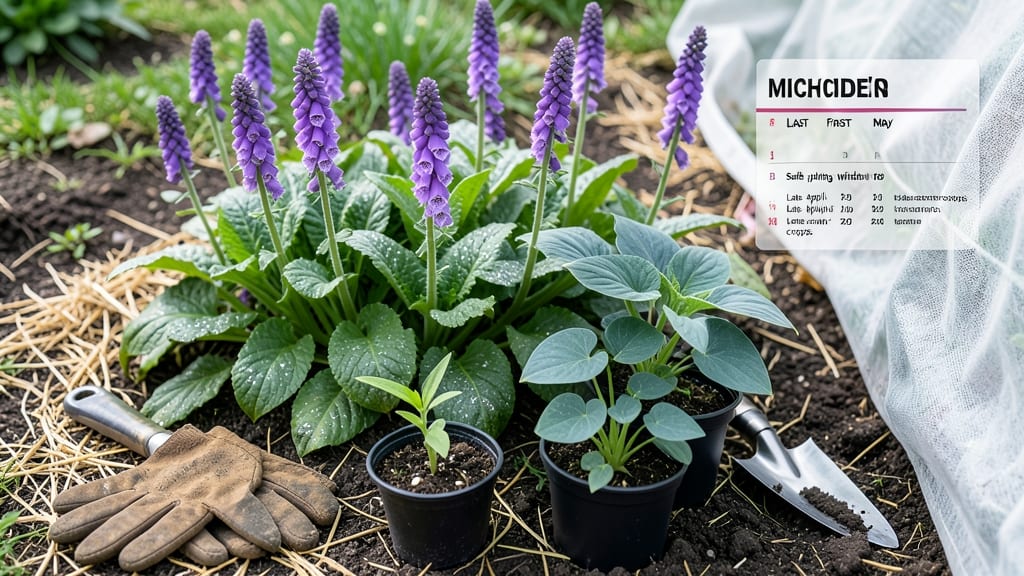
Michigan’s last frost dates by planting Zone: when to start outdoor gardens
Michigan’s last spring frost dates vary dramatically across its USDA zones 5b-6b, from late April in the south to early June in the Upper Peninsula. These dates determine when you can safely plant warm-season crops like tomatoes and peppers without risking frost damage.
For example, Detroit’s average last frost is April 20, while Marquette’s is May 25—a 35-day difference that changes your entire planting schedule.
Understanding your local frost history is critical because even a single late frost can devastate tender seedlings. The Michigan State University Extension tracks frost data by county, and I’ll break down the key averages below.
Always check your specific county’s 10-year average for the most accurate timeline—some areas, like the Thumb region, can be 1-2 weeks earlier than surrounding zones due to microclimates.
🌱
| Region | USDA Zone | Avg. Last Spring Frost | Avg. First Fall Frost | Frost-Free Days |
|---|---|---|---|---|
| Southern Michigan (Detroit, Ann Arbor) | 6a-6b | April 15-20 | October 10-15 | 150-160 |
| Central Michigan (Lansing, Grand Rapids) | 5b-6a | April 25-May 5 | October 5-10 | 140-150 |
| Northern Michigan (Traverse City, Marquette) | 5a-5b | May 10-25 | September 20-October 5 | 120-140 |
| Upper Peninsula (Houghton, Ironwood) | 4b-5a | May 25-June 10 | September 10-20 | 100-120 |
Data based on 30-year averages; check MSU Extension for updates.
Northern Michigan’s shorter growing season means gardeners there often rely on early-start techniques like cold frames or row covers to extend the season. In contrast, Southern Michigan’s longer frost-free period allows for two full harvest cycles—spring planting and fall replanting.
For instance, you can safely direct-sow beans and squash in Detroit by May 1, but wait until June 1 in Marquette to avoid frost.
Always add 2-4 weeks to your local last frost date before planting heat-loving crops like peppers and eggplants, as they need consistent warmth to thrive. For cool-season crops (e.g., lettuce, peas), you can plant 4-6 weeks before the last frost—sometimes even in early March under row covers in Southern Michigan.
🌡️
Microclimates play a huge role in Michigan’s frost patterns. Areas near Lake Michigan (like Muskegon or Benton Harbor) often experience delayed spring warming due to the lake’s cooling effect, while urban heat islands (e.g., Detroit or Grand Rapids) can be 5-10°F warmer than rural areas.
Always scout your garden’s specific microclimate—a sheltered spot might be 1-2 weeks earlier than the county average.
For fall planting, use the first frost date as your deadline. In Zone 6b, you can still sow spinach and kale as late as September 15, but peppers and tomatoes must be planted by June 15 to mature before frost.
In the Upper Peninsula, even fast-maturing varieties like bush beans may struggle to fully ripen if planted after July 1.
🌿
Pro tip: Use the “14-day rule” for transplanting after last frost. Wait 2 weeks after your average last frost date to ensure soil warmth and stable temperatures for seedlings.
For example, if your last frost is May 1, don’t transplant until May 15—this gives your garden time to warm up and reduces shock to young plants.
To track real-time frost risks, bookmark the National Weather Service’s frost prediction maps or sign up for local CoCoRaHS weather stations, which provide hyper-local frost alerts.
I’ve also found that cherry blossom bloom dates in your area can serve as a natural frost indicator—when trees leaf out, it’s usually 2
How to adjust planting dates for early bloomers and frost-sensitive crops
Michigan’s last frost dates give you a starting point, but some plants—like tomatoes and peppers—need extra protection or smarter timing. If you’re eager to grow heat-loving crops in cooler zones, don’t panic! There are proven strategies to extend your growing season and avoid frost damage.
One of my favorite tricks is using row covers or cold frames to shield tender seedlings. These simple tools can push your planting window back by 2-4 weeks, letting you start earlier without risking frost.
For example, in USDA Zone 5b, I’ve successfully planted tomato seedlings as early as April 15 under row covers, then removed them once nighttime temps stay above 50°F.
Another smart move? Swapping frost-sensitive crops for hardier alternatives. In northern Michigan, where summers are shorter, I often replace peppers with kale or swiss chard, which thrive in cooler temps and even sweeten up after a light frost.
It’s a win-win: you still get a harvest, and you avoid the heartbreak of lost plants.
Pro Tip: Follow the 14-day rule for transplanting after the last frost. Most seedlings need 2 weeks to adjust to outdoor conditions before they’re fully hardened off. Start your tomato or basil plants indoors 6-8 weeks before your expected last frost date to give them time to grow strong before moving them outside.
| Plant Type | Frost Sensitivity | Adjustment Strategy | Example Crop |
|---|---|---|---|
| Tender Annuals | High | Use row covers, cold frames, or start indoors | Tomatoes, Peppers, Basil |
| Cool-Season Veggies | Low | Direct sow 4-6 weeks before last frost | Lettuce, Spinach, Peas |
| Perennials | Moderate | Plant in early spring or fall; mulch heavily | Asparagus, Rhubarb, Lavender |
| Flowers | Varies | Choose frost-resistant varieties or use cloches | Marigolds, Snapdragons, Pansies |
If you’re planting frost-sensitive crops like cucumbers or squash, consider starting them in biodegradable pots and transplanting after the last frost. This method reduces transplant shock and gives your plants a head start.
For extra insurance, I always keep a frost cloth on hand—it’s a lifesaver for late-season plants like eggplants that struggle in cooler temps.
Don’t forget about fall planting! Many vegetables, such as kale, radishes, and spinach, actually taste sweeter after a light frost. In southern Michigan, I often plant these in early September, giving them time to mature before the first frost in mid-October.
It’s a great way to extend your harvest and make the most of your garden space.
Finally, pay attention to microclimates in your yard. Areas near Lake Michigan or large bodies of water stay cooler longer, while south-facing slopes warm up faster. Use these natural advantages to your benefit—plant heat-loving crops in warmer microclimates and cool-season crops in shaded or sheltered spots.