
Plants
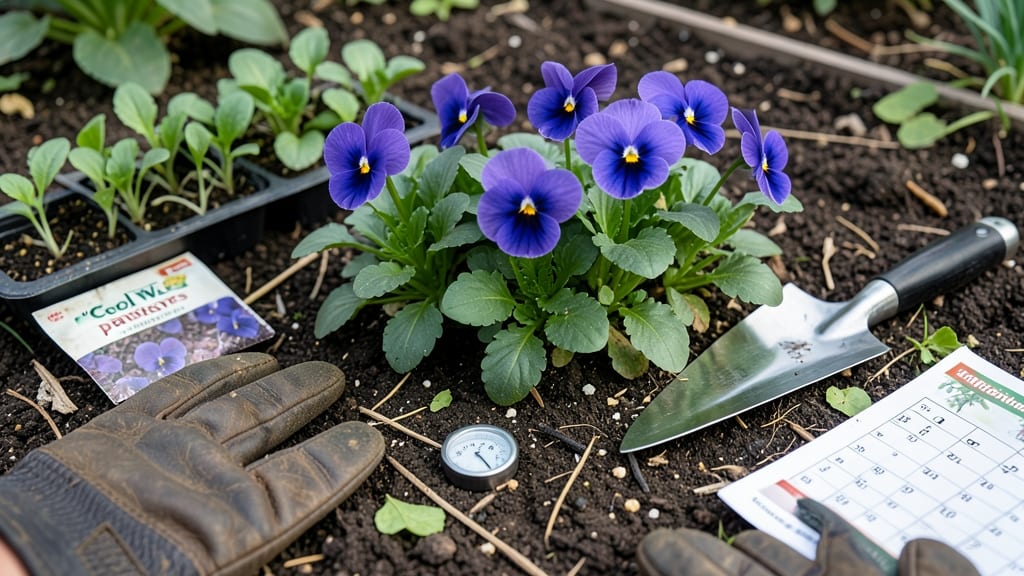
Knowing when it’s safe to plant in Minnesota can make or break your garden—get it wrong, and you’re staring at frost-killed seedlings or a missed growing season. The state’s unpredictable swings from snow to sunshine make timing everything, especially when you’ve got 50+ days of frost-free growing ahead.
Most Minnesota gardeners wait until after the average last frost date, which varies wildly from May 10th in the Twin Cities to June 1st in northern counties like International Falls.
But hardiness zones 3-5 mean your neighbor’s perfect planting window might not work for you—and that’s where local knowledge (or a frost calculator) becomes your best friend.
I’ve planted through enough Minnesota springs to know: rushing to put seeds in the ground too early is a recipe for disappointment. Whether you’re growing cold-hardy peas or heat-loving tomatoes, the key is balancing soil temperature, frost risk, and your county’s unique microclimate.
Let’s break down exactly when—and how—to plant for your corner of the state.
From starting seeds indoors in March to adjusting for late frosts, this guide covers the strategies that actually work. No more guessing—just data-driven planting that’ll have your garden thriving by summer.
Minnesota’s last frost dates by county: when it’s safe to plant outdoors
Minnesota’s last spring frost dates vary dramatically across its 87 counties, with northern regions like Cook County averaging May 20 and southern areas like Mower County seeing frost-free conditions by April 25.
These dates determine when you can safely transplant tender vegetables like tomatoes and peppers without risking damage. The USDA Hardiness Zones 3-5 further refine planting windows, but local microclimates—like urban heat islands or sheltered valleys—can shift these dates by 1-2 weeks.
For annual flowers and warm-season crops, timing is critical. For example, marigolds can handle light frosts, but basil needs consistent warmth. The Minnesota State University Extension tracks historical frost data, but I recommend checking their frost-free calculators for your specific zip code.
Even a 5°F swing can turn a thriving tomato plant into a sad, wilted mess overnight.
⚠️ NON-NEGOTIABLE: Never plant cold-sensitive crops like cucumbers or squash until after May 15 in most of the state. Even then, keep row covers handy for unexpected late frosts—especially in Zone 3 areas like Beltrami County, where frosts can linger until June 1.
| County | Avg. Last Spring Frost | Avg. First Fall Frost | Safe Planting Window | Zone |
|---|---|---|---|---|
| Cook | May 20 | Sept 20 | June 1 - Aug 15 | 3 |
| Hennepin | May 10 | Oct 5 | May 20 - Sept 1 | 4b |
| Mower | April 25 | Oct 15 | April 30 - Sept 10 | 5a |
| St. Louis | May 15 | Sept 25 | May 25 - Aug 20 | 3b |
| Ramsey | May 8 | Oct 10 | May 15 - Sept 5 | 4a |
Note: Urban areas (e.g., Minneapolis) may experience earlier last frost dates due to heat islands. Rural areas can be 1-2 weeks later.
Understanding these county-specific frost dates helps you plan successive plantings.
For instance, in Zone 4 (like Anoka County), you can start cool-season crops like lettuce in early April, but wait until after May 15 for tomatoes. Perennials, like daylilies, are less critical—plant them in early spring or early fall when soil is workable.
Pro tip: Use frost cloth to extend your planting window by 2-3 weeks in early spring or late fall. I’ve saved entire tomato plants from 28°F nights using lightweight row covers. Just remember to remove them during the day for pollination.
For fall planting, the first frost typically arrives between September 20 (northern MN) and October 15 (southern MN).
This means cool-season crops like kale and carrots can still thrive if planted by August 1. Hardy flowers, such as chrysanthemums, can handle light frosts, making them ideal for late-season color.
Don’t rely solely on average frost dates. I’ve seen late May frosts in Zone 5 and early September heatwaves push first frosts into October. Keep a garden journal to track your local patterns—it’s the only way to outsmart Minnesota’s weather.
How to adjust planting for Minnesota’s unpredictable weather patterns
Minnesota’s weather is famously fickle—one day it’s 60°F and sunny, the next it’s snowing. This unpredictability makes planting timing a high-stakes game. Even if your county’s average last frost date is May 15, a late freeze can still wipe out tender seedlings.
The key is to adapt your strategy using tools, techniques, and smart crop choices.
First, use the Minnesota State University Extension’s frost-free date calculator. Plug in your ZIP code to get a localized last frost date based on historical data. This is far more accurate than relying on general USDA hardiness zones, which only tell part of the story.
For example, the Twin Cities (Zone 4b) might have a last frost date of May 10, but northern counties like Roseau (Zone 3a) can wait until June 1—sometimes even later.
To extend your growing season, invest in row covers or cold frames. These simple tools can add 2-4 weeks to your planting window by trapping heat and shielding plants from late spring frosts.
For instance, I’ve successfully grown spinach and peas in early April under a floating row cover, while my neighbors waited until May. The difference? A 3-week head start on harvests.
Microclimates are another game-changer in Minnesota. A south-facing slope or a sunny urban lot can be 5-10°F warmer than the surrounding area, allowing you to plant 1-2 weeks earlier. Conversely, low-lying areas or shaded spots may experience later frosts.
Pay attention to where frost forms first in your yard—it’s often the valleys or north sides of buildings. If you’re unsure, err on the side of caution and use heat-loving plants like marigolds or nasturtiums as frost indicators.
These flowers wilt in cold temps, giving you a 24-hour warning before a freeze.
Succession planting is your best friend when dealing with Minnesota’s short growing season. Instead of planting all your lettuce or radishes at once, stagger them every 2 weeks from late April through early June. This ensures a continuous harvest and minimizes losses if a late frost hits.
For example, I plant bush beans in three batches: May 1, May 15, and June 1. By the time the first batch is ready in 60 days, the last batch is just starting to flower—no wasted space or missed harvests.
Finally, choose cold-hardy crops that can tolerate light frosts. Plants like kale, Swiss chard, and peas can handle temps down to 25°F, while spinach and radishes thrive in 40-50°F soil. For flowers, pansies and sweet peas are frost-resistant and add early color.
If you’re still nervous, start heat-sensitive plants indoors under grow lights 6-8 weeks before your last frost date. This gives seedlings a head start and reduces the risk of transplant shock when moving them outdoors.
The bottom line? Minnesota’s weather is unpredictable, but with the right tools and strategies, you can beat the odds. Use local frost data, protect tender plants, and plan for flexibility. Your garden will thank you with bountiful harvests—even in the North Star State 🌱🌡️✂️.