
Plants
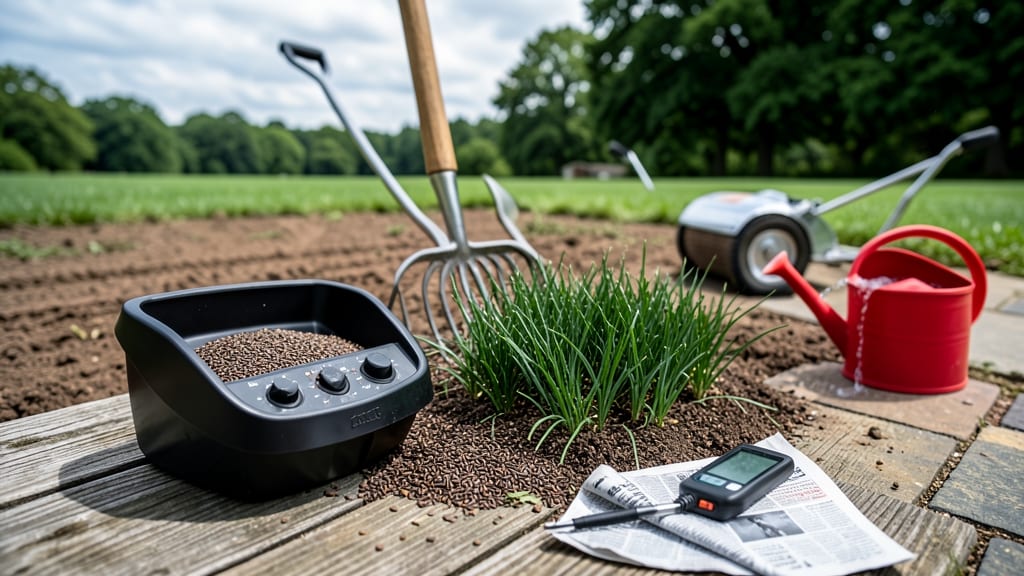
Planting grass seed at the wrong time in Indiana can leave you staring at a lawn that’s more dirt than grass—but getting the timing right transforms your yard into a lush, green oasis that survives even the toughest Hoosier summers.
The key isn’t just picking a season; it’s understanding how late summer to early fall gives your grass roots the perfect head start before winter sets in.
With Indiana’s 5b-6b climate, you’ve got two main windows to work with: early spring or early fall.
But here’s the thing—spring planting can be a gamble due to unpredictable rains and late frosts, while fall offers cooler temps, steady moisture, and 6-8 weeks of root growth before the ground freezes. That’s why most experts (and successful lawns) swear by the fall schedule.
I’ve tested both methods over the years, and let me tell you: skipping the prep work or rushing the planting window is a recipe for disappointment.
Whether you’re seeding a new lawn or patching bare spots, the best time to plant grass seed in Indiana depends on soil temps, rainfall patterns, and even your grass type. Let’s break down exactly how to nail it—so you can enjoy that envy-worthy lawn without the guesswork.
From choosing the right seed for your zone to watering tips that actually work, I’ll walk you through every step to ensure your grass takes root deep and stays vibrant. Ready to turn your patchy yard into the talk of the neighborhood? Let’s get started.
Ideal planting windows in Indiana: late summer to early fall explained
Indiana’s cool-season grasses thrive when planted during late summer to early fall—a window that aligns perfectly with the state’s USDA Zones 5b-6b. This timing ensures deep root establishment before winter dormancy, giving your lawn a head start for spring.
The ideal window spans late August through early October, when soil temperatures hover between 60°F and 75°F, perfect for germination.
Why does this matter? Fall planting allows grass seeds to germinate, grow roots, and strengthen before harsh winter conditions. Unlike spring planting, fall avoids drought stress and competition from weeds, which explode in warm weather.
Plus, cooler temperatures reduce evaporation, keeping your new lawn consistently moist—a critical factor for young seedlings.
Northern Indiana’s shorter growing season (Zone 5b) benefits most from early fall planting (late August to mid-September), while Southern Indiana (Zone 6b) can extend planting until early October.
The key is planting 4-6 weeks before the first frost, typically mid-October in most of the state. This timing ensures roots are 3-4 inches deep before winter sets in.
Soil temperature is your best indicator—use a soil thermometer to confirm it’s above 50°F at a 4-inch depth. If temperatures drop below this, germination slows dramatically. Rainfall patterns also play a role: Indiana’s September showers provide natural moisture, reducing your watering workload during the critical first 2-3 weeks.
Let’s break down the exact timing and conditions for each region, so you can plant with confidence:
| Region | Best Planting Window | Soil Temp (4" Depth) | Key Advantage |
|---|---|---|---|
| Northern Indiana (Zone 5b) | Late August - Mid-September | 60°F - 70°F | Avoids early frost, longer root growth |
| Central Indiana (Zone 5b-6a) | Late August - Early October | 60°F - 75°F | Balanced rainfall, moderate temps |
| Southern Indiana (Zone 6b) | Early September - Early October | 65°F - 75°F | Warmer soils, extended growing season |
Microclimates matter too! If you’re in a shady or low-lying area, plant 1-2 weeks earlier to account for cooler soil. Conversely, south-facing slopes can handle late September planting since they warm up faster.
Always check your local frost dates—Indiana’s first frost can vary by 1-2 weeks depending on elevation and proximity to lakes.
Pro tip: Overseeding existing lawns in fall is ideal because warm-season weeds (like crabgrass) are dying back, reducing competition. If you’re starting from scratch, till the soil to 1-2 inches deep to loosen compacted layers, then rake to create a fine, crumbly texture.
This prep work is 50% of your success—skipping it leads to poor seed-to-soil contact and uneven germination.
Watering is non-negotiable post-planting. Keep the soil consistently moist (not soggy) for the first 3-4 weeks—this means watering daily if rainfall is light. Use a sprinkler with fine mist or a soaker hose to avoid dislodging seeds. Morning watering (before 10 AM) minimizes evaporation and fungal risks.
Once seedlings hit 2-3 inches tall, you can taper to 2-3 times per week.
Fall-planted grass also benefits from a light fertilizer application 4-6 weeks after germination. Use a balanced 10-10-10 or 12-12-12 to encourage root development without promoting top growth too quickly.
Avoid high-nitrogen fertilizers early on—they can burn young seedlings and attract pests. Fall fertilization is your secret weapon for a thicker, greener lawn next spring.
Don’t let Indiana’s unpredictable weather derail your lawn goals. By planting in late summer to early fall, you’re giving your grass the best possible start—one that’ll pay off with drought resistance, weed suppression, and year-round beauty. 🌱
Ideal planting windows in Indiana: late summer to early fall explained
Indiana’s 5b-6b climate creates a narrow but critical window for planting grass seed, and missing it can mean weak roots or failed germination.
The best time to plant grass seed in Indiana is between late August and early October, when soil temperatures hover between 60°F and 75°F—perfect for root establishment before winter dormancy. This 6-8 week growing window gives seeds time to germinate, develop deep roots, and withstand Indiana’s harsh winters.
Why does this matter? Cool-season grasses like Kentucky Bluegrass and Tall Fescue (Indiana’s top choices) thrive in these conditions. They germinate quickly in warm soil but grow best when temperatures drop, avoiding the stress of summer heat or spring frosts.
Southern Indiana’s slightly warmer microclimate may extend this window until mid-October, while northern areas should aim for early September to avoid early frosts.
Here’s the science behind the timing: Grass seeds need consistent moisture and moderate temperatures to germinate. Late summer’s steady rainfall and cooler nights reduce evaporation and fungal risks, while early fall’s longer daylight hours fuel photosynthesis.
Planting too late (after mid-October) risks shallow roots before frost, while planting too early (before August) exposes seeds to summer’s drying heat and weeds.
| Planting Window | Soil Temp (°F) | Key Benefits | Indiana Zone Adjustments |
|---|---|---|---|
| Late August | 65–75°F | Fast germination, fewer weeds | Northern IN: Start by Aug 20; Southern IN: Aug 25 |
| Early September | 60–70°F | Deep root growth, steady moisture | Best for all zones; avoid after Sept 15 in North |
| Early October | 55–65°F | Stronger winter survival | Southern IN only; stop by Oct 10 |
Pro tip: Check your local frost dates—Indiana’s first frost typically hits mid-October, but northern counties (like Gary or Fort Wayne) can see frost as early as September 25. Aim to plant 4-6 weeks before frost to ensure roots establish.
For example, if frost is predicted October 15, seed by September 1. Use a soil thermometer ($10 at garden centers) to confirm temps are ideal before planting.
Don’t overlook pre-planting prep, either. Loosen soil to 3–4 inches deep with a rake or aerator, remove debris, and level the area. Add compost or starter fertilizer (like 10-10-10 NPK) to boost early growth.
Skipping this step means seeds struggle to break through compacted soil or compete with weeds. Think of it as giving your grass a running start—literally.
Watering is where many gardeners trip up. After planting, keep soil consistently moist (not soggy) for the first 2–3 weeks. Use a sprinkler on a gentle setting or a soaker hose to avoid displacing seeds.
Aim for 1 inch of water per week, including rainfall. Morning watering (before 10 AM) minimizes evaporation and fungal diseases like dollar spot, which thrives in damp, hot conditions.
Remember: The goal isn’t just green grass—it’s deep, resilient roots that outlast Indiana’s freeze-thaw cycles and summer droughts. By planting in this window and following these steps, your lawn will be the envy of the neighborhood—and you’ll spend less time patching bare spots.
Now, grab that seed bag and let’s get growing!