
Plants
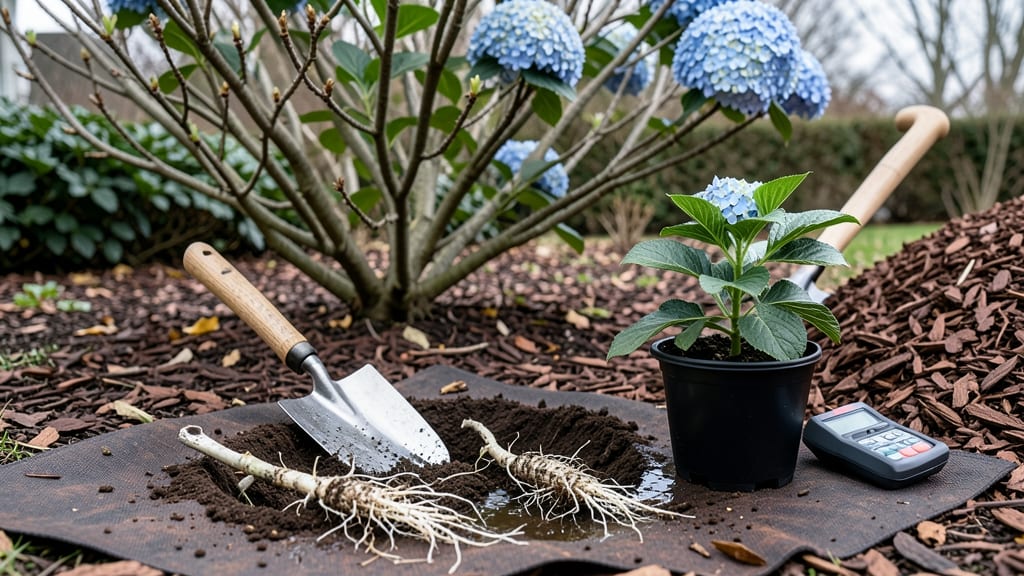
When is the best time to plant hydrangeas in the Northeast?—it’s not just about grabbing a shovel and digging, but catching the perfect window when soil warms, frost risks fade, and your 🌸 shrubs stand the best chance to thrive. The wrong timing can leave you with leggy, underwhelming blooms instead of the lush, vibrant displays you're dreaming of.
Most gardeners in USDA Zones 5-7 swear by either spring or fall planting, but here's the catch: your local frost dates and soil temperature play a bigger role than you might think.
Skip the guesswork and learn exactly when to plant for peak blooms—and how to adjust if your spring arrives late or fall comes early.
I'll walk you through the ideal planting months, soil prep secrets, and even how container planting can give you an extra 2-3 weeks of flexibility. Whether you're a first-time gardener or a seasoned pro, these Northeast-specific tips will help you avoid common mistakes that stunt growth.
Ready to transform your garden? Let's dive into the science behind timing, plus my top strategies for ensuring your hydrangeas not only survive but thrive in your backyard's unique climate challenges.
Optimal Northeast hydrangea planting months by USDA Hardiness Zones
Planting hydrangeas in the Northeast requires precision—your USDA Hardiness Zone dictates the perfect window between last frost and first frost. For Zones 3-5, aim for late April to early May, while Zones 6-7 can plant as early as mid-April or extend into early fall.
The key is soil temperature (ideally 60°F+) and root establishment before winter dormancy.
In Zone 3 (e.g., Maine, upstate New York), hydrangeas thrive when planted after May 15 to avoid late spring frosts.
Meanwhile, Zone 7 (e.g., Washington D.C., Baltimore) offers a 6-week fall window (late September) for panicle hydrangeas, which bloom on new wood and benefit from early root growth.
Microclimates matter! Urban areas like Boston or Philadelphia may experience earlier last frosts (mid-April), while rural spots like Pennsylvania’s Pocono Mountains can delay planting until May 10. Always check your local frost date via the National Weather Service or Almanac.
| Zone | Spring Planting Window | Fall Planting Window | Soil Temp Goal | Notes |
|---|---|---|---|---|
| 3-4 | Late April–May 15 | N/A (too short) | 60°F+ | Use mulch for winter protection |
| 5 | April 20–May 10 | Late Sept–Oct 5 | 60°F+ | Panicle types best for fall |
| 6 | April 10–May 1 | Sept 15–Oct 15 | 55°F+ | Extend fall window with row covers |
| 7 | March 20–April 15 | Sept 1–Oct 30 | 50°F+ | Bigleaf types need winter mulch |
For container-grown hydrangeas, you can plant 2 weeks earlier than bare-root varieties since their root systems are already established. However, bare-root hydrangeas (often sold in dormant season) must wait until soil thaws (typically mid-April) to avoid root rot.
Pro tip: Test your soil pH before planting. Bigleaf hydrangeas (e.g., Endless Summer) love acidic soil (pH 5.5-6.2), while panicle types (e.g., Limelight) thrive in neutral soil (pH 6.0-7.0). Adjust with sulfur or lime as needed.
If you miss the ideal window, don’t despair! Panicle hydrangeas can handle late spring planting (up to June 1) and still bloom. Bigleaf varieties, however, may skip blooming their first year if planted after May 15.
Always water deeply after planting to eliminate air pockets in the soil. For fall plantings, apply a 3-inch layer of mulch to insulate roots before first frost. This insulation prevents frost heave and ensures strong root growth next spring.
Remember: Hydrangeas planted in spring often bloom the same year, while fall plantings may take 1-2 years to reach peak flowering. The trade-off? Fall plantings give roots a head start in Zone 6-7 for earlier blooms the following summer.
For Northeast gardeners, the sweet spot is late April to early May—just as daffodils fade and peonies burst into bloom. This timing ensures your hydrangeas establish roots before summer heat and winter chill set in.
Optimal Northeast hydrangea planting months by USDA Hardiness Zones
Planting hydrangeas in the Northeast isn’t a one-size-fits-all task—your USDA Zone and local frost dates dictate the perfect window. In Zone 5, aim for April 15–May 15 or September 15–October 15, while Zone 7 gardeners can push planting to May 1–June 1 or October 1–November 1.
The key is ensuring soil temperatures stay above 50°F (10°C) for root growth.
For Zone 6, the sweet spot is late April to early May or late September. These dates align with when last frost risks drop below 20%—critical for young roots.
Use your local National Weather Service frost calendar to fine-tune timing, especially in microclimates like urban areas (warmer) or hilltops (cooler).
| Zone | Spring Window | Fall Window | Soil Temp Goal |
|---|---|---|---|
| 5 | April 15–May 15 | Sept 15–Oct 15 | 50°F (10°C) |
| 6 | Late April–Early May | Late Sept–Oct 1 | 55°F (13°C) |
| 7 | May 1–June 1 | Oct 1–Nov 1 | 60°F (16°C) |
Fall planting often gets overlooked, but it’s my top recommendation for the Northeast. Hydrangeas planted in September or early October establish roots before winter, giving them a 30% head start in spring.
Just ensure roots have 4–6 weeks to harden off before first frost. For Zone 5, this means avoiding late October plantings.
Container-grown hydrangeas offer flexibility—plant them 2–3 weeks later than bare-root varieties since their roots are already established. This extends your window to late May or early November, depending on your zone. Just water deeply 2x/week for the first month to compensate for root disturbance.
Pro tip: Test your soil’s moisture and pH before planting. Hydrangeas thrive in acidic soil (pH 5.5–6.2)—amend with peat moss or sulfur if needed. In heavy clay soils (common in the Northeast), mix in compost or sand to improve drainage.
Poor soil prep is the #1 reason hydrangeas fail to bloom.
Remember, late spring plantings (June+) can still work if you’re using potted hydrangeas and commit to daily watering and shade cloth during heatwaves. Just expect smaller blooms the first year as the plant recovers from stress.