
Companion Plants
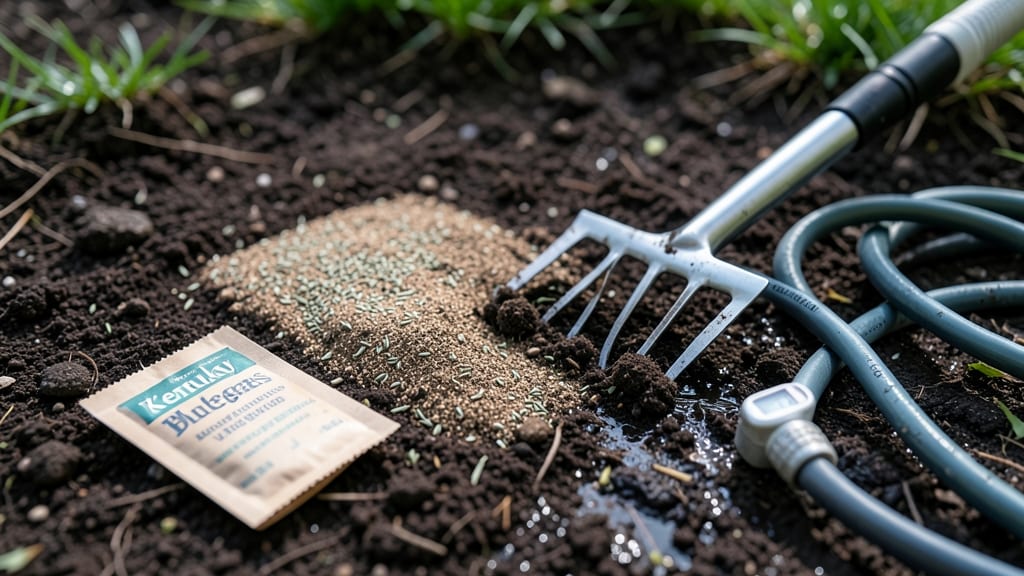
Planting your grass at the wrong time in spring can turn your dream of a lush lawn into a frustrating patchwork of thin, weak spots. The secret to faster, stronger growth lies in understanding soil temperature—most gardeners miss this critical detail, and it’s why their grass struggles to take root.
In Zone 6a, where many of us live, the ideal window for planting 🌱 grass opens when soil temperatures consistently reach between 50°F and 65°F.
This usually lands in late April or early May, but timing varies by grass type—cool-season varieties like fescue need those warm soil cues to germinate, while warm-season grasses like Bermuda wait for even hotter ground. Testing your soil temperature with a simple probe can save you weeks of guesswork.
What happens if you plant too early? Cold soil slows germination, leaving your seeds vulnerable to rot or being washed away by rain. Too late, and you risk drought stress or weed competition.
I’ll show you exactly how to sync your planting with nature’s clock—plus, 5 pro tips to give your grass a head start, even if you’re a little behind schedule.
Ready to transform your lawn from patchy to picture-perfect? Let’s break down the exact steps to time your planting like a pro, so you’re enjoying that vibrant green carpet by summer—not staring at bare dirt.
Ideal soil temperature for spring grass planting: the exact numbers you need
Getting your spring grass planting timing right starts with understanding soil temperature. Most gardeners focus on air temperature, but the real magic happens underground. For cool-season grasses like Kentucky bluegrass and fescue, the sweet spot is 50-65°F—this triggers faster germination and root growth.
Warm-season grasses like Bermuda and zoysia prefer 65-75°F, so timing shifts southward.
Here’s the catch: soil warms 3-5°F slower than air. A crisp 60°F morning might feel perfect, but your soil could still be 50°F—too cool for most seeds.
That’s why testing is key. Use a soil thermometer (just $10 at garden centers) to check 2 inches deep, where roots first sprout.
Regional differences matter too. In USDA Zone 5 (think Chicago or Boston), aim for late April to early May when soil hits 55°F. In Zone 8 (Atlanta or Dallas), you can start as early as mid-March when temps reach 60°F.
The last frost date is a red herring—soil temperature is your true guide.
Pro tip: If your soil is below 50°F, wait. Seeds won’t germinate, and you’ll waste money on seeds that just rot. Patience here pays off with thicker, faster-growing grass later. Think of it like waiting for a green light before hitting the gas.
🌱
🌱 Soil Temperature Guide for Spring Grass Planting
| Grass Type | Ideal Soil Temp | Best Planting Window | Regions |
|---|---|---|---|
| Cool-Season (Kentucky Bluegrass, Fescue, Ryegrass) | 50–65°F | Early spring (4–6 weeks before last frost) | Zones 3–7 (North) |
| Warm-Season (Bermuda, Zoysia, St. Augustine) | 65–75°F | Late spring to early summer (after last frost) | Zones 7–10 (South) |
| Transition Zones (5–8) | 55–70°F | Early spring (cool-season) or late spring (warm-season) | Flexible timing |
💡 Test soil temp at 2" depth for accurate readings. Use a soil thermometer or DIY with a meat thermometer and a wooden stake.
Don’t let false starts derail your lawn. If you plant too early and a late frost hits, your seeds may heave out of the soil or rot. Conversely, planting too late means slower establishment, leaving your lawn vulnerable to weeds and drought stress.
The 4–6 week window before last frost is your safety net for cool-season grasses.
For warm-season grasses, the rush is on after May 15 in most southern climates. These grasses go dormant in cold weather, so planting in spring ensures they’re fully established before summer heat hits. Think of it like training for a marathon—you wouldn’t start sprinting in January!
If you’re in a transition zone (like Zone 6), you can cheat the system. Plant cool-season grass in early spring and warm-season grass in late spring. This gives you year-round green coverage, though you’ll need to overlap transitions carefully.
Just remember: cool-season grasses thrive in fall too—so plan for a second planting in September.
🌿
One last trick: Black plastic mulch can warm soil by 5–10°F in just days. Lay it down 2–3 weeks before planting in cooler climates to jumpstart germination. Just remove it once seeds sprout to avoid overheating. It’s like giving your lawn a cozy blanket to wake up faster!
Now that you’ve got the soil temperature secrets, your next step is matching these numbers to your grass type and local climate. Stay tuned for the month-by-month planting schedule that’ll help you pick the perfect window for your lawn’s success.
Spring planting timeline by grass type: cool-season vs warm-season schedules
Choosing the right time to plant grass in spring depends entirely on your grass type. Cool-season grasses like Kentucky bluegrass and fescue thrive when soil temperatures hover between 50-65°F, while warm-season varieties such as Bermuda and zoysia prefer 70-85°F.
Planting at the wrong time can leave your lawn thin and weak, so let’s break down the perfect windows for each type.
For cool-season grasses, aim to plant 4-6 weeks before your last frost date. In most northern regions, this means March or early April. If you miss this window, you can still plant in early fall (August-September) for another strong growth period.
Warm-season grasses, on the other hand, should wait until late spring or early summer when soil is consistently warm.
Here’s a quick comparison to help you align your planting with the best conditions for your grass type:
| Grass Type | Ideal Planting Window | Soil Temp Range | Regional Tip |
|---|---|---|---|
| Kentucky Bluegrass | Early spring (March-April) or fall (August-September) | 50-65°F | Northern climates: Plant as soon as soil is workable. |
| Fescue | Early spring (March-April) or late summer (July-August) | 50-65°F | Southern climates: Late summer planting avoids summer heat stress. |
| Bermuda | Late spring (May-June) | 70-85°F | Wait until soil is warm; early planting risks frost damage. |
| Zoysia | Late spring (May-June) | 70-85°F | Southern regions: Plant after last frost for best germination. |
If you’re in a transition zone (like the Midwest or Southeast), you might need to adjust based on microclimates. For example, a north-facing slope stays cooler longer, while a south-facing area warms up faster. Use a soil thermometer to confirm readiness—it’s the best way to avoid guesswork.
Pro tip: If you’re planting in late spring (May or June), focus on warm-season grasses or use temporary cover crops to protect the soil until conditions improve. For cool-season grasses planted late, prioritize even watering and light mulching to retain moisture during hotter days.
Don’t let the perfect timing stress you out—even a week or two off can still yield great results with the right care. Just remember: cool-season grasses in spring, warm-season grasses in late spring, and always check your soil temperature before seeding.