
Companion Plants
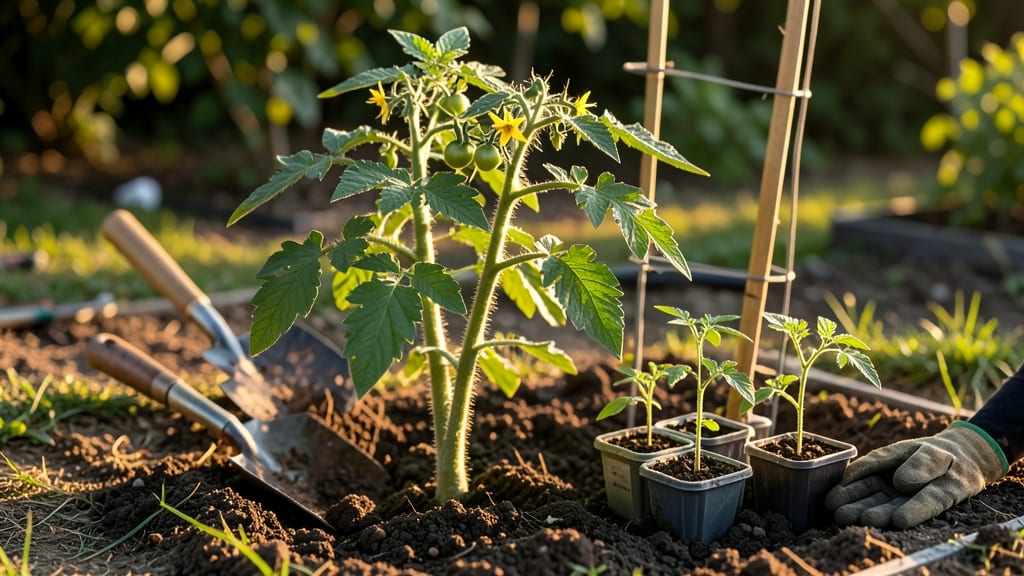
Planting tomatoes in Illinois isn’t just about following a calendar—it’s about mastering the right timing to beat frost and give your 🍅 plants the best shot at success.
With our 5b-6b climate, getting the soil just right (around 60°F) makes all the difference between strong seedlings and sad, slow starters.
I’ve learned the hard way that rushing too early can leave your tomatoes struggling in cold soil, while waiting too long risks missing the mid-April to late May window.
The key? Start seeds indoors 4-6 weeks before your last frost date, then transplant when nighttime temps stay above 50°F—no guessing needed.
What if your soil stays stubbornly cold? Don’t worry—I’ll show you fast tricks like black plastic mulch or row covers to warm things up. These methods can shave days off your growing season, ensuring your plants thrive from June right through October.
Whether you’re a first-time gardener or a seasoned pro, these Illinois-specific tips will help you avoid common mistakes and maximize your harvest. Let’s get those tomatoes growing strong!
Illinois tomato planting calendar: frost dates and soil temperature rules
Planting tomatoes in Illinois requires more than just checking a calendar—it’s about understanding your USDA hardiness zones 5b-6b and the critical 50°F soil temperature needed for germination.
Illinois’ last frost dates vary dramatically: northern regions like Chicago average mid-April, while southern areas like St. Louis can plant as early as early April. Timing your planting wrong can lead to stunted seedlings or frost damage.
Tomatoes thrive when soil temperatures stay above 60°F for consistent growth. In Illinois, this typically means waiting until late April to early May for most regions. However, if you’re eager to start earlier, you can use row covers or greenhouses to protect young plants from unexpected late frosts.
The key is balancing frost risk with soil warmth—planting too early can leave your tomatoes vulnerable.
Here’s how to align your planting with Illinois’ climate: start seeds indoors 6-8 weeks before the last frost (around mid-February to early March), then transplant seedlings outdoors 2-3 weeks after the last frost.
This two-step process gives your tomatoes a head start while avoiding cold soil stress. For direct sowing, wait until soil temperatures are consistently above 55°F, usually late May in northern Illinois.
If you’re unsure about your local frost dates, check the Old Farmer’s Almanac or your county extension office for precise data. For example, Chicago’s last frost often falls around April 20, while Springfield’s is closer to April 10.
These dates can shift by 1-2 weeks depending on the year, so flexibility is key.
One common mistake is planting tomatoes too early in cold, wet soil, which can cause seed rot or damping-off disease. To test soil temperature, use a soil thermometer and bury it 2 inches deep for an accurate reading.
If the temperature drops below 50°F, delay planting until conditions improve.
For gardeners in northern Illinois (zones 5a-5b), consider using black plastic mulch or straw mulch to warm the soil faster. This technique can shave 1-2 weeks off your planting timeline by raising soil temperatures by 5-10°F.
In contrast, southern Illinois (zones 6a-6b) can often plant outdoors as early as early April with minimal risk.
Another strategy is to plant heat-tolerant tomato varieties like ‘Celebrity’ or ‘Heatmaster’, which perform well in Illinois’ summer heat and humidity. These varieties can handle short-term temperature fluctuations better than traditional types, giving you a wider planting window.
Pair this with succession planting—sowing new seeds every 2 weeks—to extend your harvest from June to October.
Let’s compare the two main planting methods: starting seeds indoors vs. direct sowing. Each has pros and cons depending on your growing conditions and time constraints. Below, you’ll see how they stack up in terms of timing, effort, and success rates in Illinois’ climate.
Understanding these rules will help you avoid common pitfalls like frost damage or poor germination. The goal is to give your tomatoes the best possible start while working with Illinois’ variable spring weather. With the right timing, you’ll be enjoying homegrown tomatoes by mid-summer!
| Tomato Planting Methods in Illinois | ||
|---|---|---|
| Factor | Starting Seeds Indoors | Direct Sowing Outdoors |
| Best Time to Start | Mid-February to early March | Late May (after soil reaches 55°F) |
| Soil Temperature Requirement | Indoor: 70-75°F (grow lights) | Outdoor: 55-60°F minimum |
| Frost Risk | Low (hardened seedlings) | High (until after last frost) |
| Effort Level | Moderate (seedlings need care) | Low (direct sowing) |
| Harvest Window | June to October (earlier start) | July to September (later start) |
| Best For Illinois Regions | Northern IL (zones 5a-5b) | Southern IL (zones 6a-6b) |
| Pro Tip | Use grow lights for 14-16 hours/day | Cover seeds with black plastic mulch |
Now that you understand the timing differences between indoor starters and direct sowing, you can choose the method that fits your garden setup and climate zone
5 Soil temperature tricks to speed up tomato germination in Illinois gardens
Cold Illinois soil can stall tomato seeds for weeks, but with the right tricks, you can warm the ground faster and get your plants off to a running start.
The key is understanding how soil temperature affects germination—tomatoes need at least 60°F soil to sprout reliably, but 70°F+ speeds up growth dramatically.
If your soil feels chilly to the touch (below 55°F), don’t wait for Mother Nature. Instead, use these five proven methods to create the perfect warm bed for your tomato seeds or seedlings.
These tricks work especially well in northern Illinois (Zones 5a-5b), where spring soil lingers on the cool side.
- Black Plastic Mulch: Lay down black plastic sheeting 2-3 weeks before planting. It absorbs sunlight and raises soil temps by 10-15°F. Cut X-shaped holes for seedlings or seeds.
- Row Covers: Use floating row covers (not plastic) to trap heat during the day and insulate at night. Remove during germination to prevent overheating.
- Raised Beds: Fill beds with compost-rich soil and place them in full sun. Wooden or cinder block beds warm up 2-3 weeks faster than in-ground soil.
- DIY Soil Warmers: Bury black-painted bricks or plastic bottles filled with dark water in the soil. They act like mini greenhouses, radiating heat downward.
- Compost Piles: Pile hot compost (140°F+) near your planting area. The heat will radiate into the soil, warming it up for 1-2 weeks ahead of schedule.
To test your soil temperature, use a soil thermometer (available for $10-$15 at garden centers). Stick it 2 inches deep in the ground on a sunny afternoon. If it reads below 60°F, give your soil one of these warmth boosts before planting.
For seedlings, transplant them into warmed soil when nighttime temps stay above 50°F. If you’re direct sowing seeds, wait until soil hits 70°F+ for fastest germination—usually late May in southern Illinois and early June in the north.
Remember, rushing the process can backfire. If your soil is still below 50°F, seeds may rot instead of sprouting. Patience and preparation pay off with healthier, faster-growing tomatoes—and that’s worth the wait! 🌱