
Plants
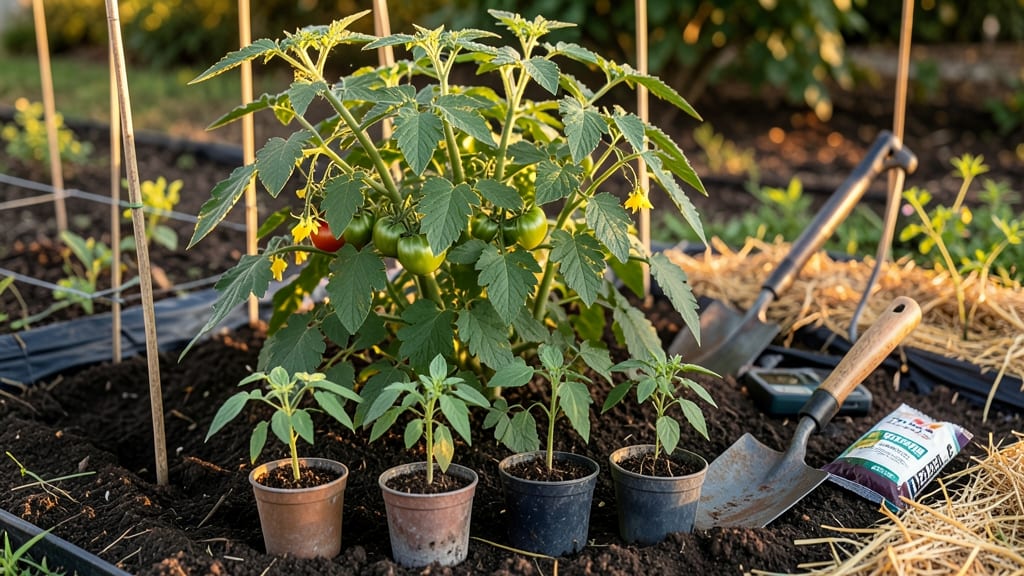
Timing when to plant fall tomatoes in Louisiana isn’t just about dates—it's about catching that sweet spot between soil warmth and cooling nights before frost sneaks in. Plant too early, and your 🍅 seeds will languish; too late, and you’ll miss the harvest window entirely.
The key? Understanding how Louisiana’s humidity and heat retention play into your planting schedule.
Most gardeners here aim for mid-August to early September, but that’s not a one-size-fits-all rule. Soil temperatures need to hover between 50°F and 86°F for those little seeds to germinate and roots to take hold.
If your garden runs cooler (like in the northern part of the state), you might need to tweak your timeline—or even use a few clever tricks to warm the soil faster.
Why does this matter? Because a well-timed fall tomato crop means juicier, sweeter fruit and fewer pests—no one wants to deal with blight or aphids when you’re just trying to enjoy your harvest.
I’ll show you exactly how to read your soil’s temperature cues, adjust for your specific Louisiana region, and even extend your growing season with simple (but effective) hacks.
Ready to turn your fall garden into a tomato goldmine? Let’s break down the science, the regional adjustments, and the fastest ways to get your soil ready for planting—so you can enjoy homegrown 🍅 from October straight through December.
Ideal soil temperature ranges for fall tomato planting in Louisiana
Timing your fall tomato planting in Louisiana starts with understanding soil temperature—the single most critical factor for germination and strong root development. Unlike spring planting, fall tomatoes face a race against cooling soil and early frost. The ideal window is narrow but packed with potential for a bountiful harvest.
Tomato seeds need soil temperatures between 70°F and 86°F to germinate reliably. In Louisiana’s humid climate, this translates to planting when daytime highs are still in the mid-80s°F but nights are cooling toward the 60s°F. Below 60°F, germination slows dramatically, and roots struggle to establish.
For transplants (seedlings), the soil should stay above 55°F for at least 6 hours daily. This is where Louisiana’s regional differences matter most—northern areas like Shreveport cool faster than New Orleans. Use a soil thermometer to avoid guessing; it’s the only way to hit these critical thresholds.
Here’s the golden rule: Aim to plant when your soil is warm enough for seeds to sprout in 7–10 days but cool enough to avoid heat stress on seedlings. This balance is tricky but doable with the right techniques.
🌱
| Stage | Soil Temp (°F) | Louisiana Notes | Action |
|---|---|---|---|
| Seed Germination | 70–86°F | Humidity speeds decay; use fresh seeds and sterile soil. | Plant when daytime highs are 85–90°F. |
| Seedling Transplant | 55–65°F | Northern LA cools faster; use row covers. | Transplant when nights dip to 60°F. |
| Root Establishment | 60–75°F | Slow growth below 60°F; mulch heavily. | Monitor with soil thermometer daily. |
| Fruiting Phase | 50–65°F (day) | Frost risk rises after November 15. | Harvest before first frost or protect plants. |
Louisiana’s high humidity and frequent afternoon thunderstorms can mask soil cooling. What feels warm to your hand might be too cool for germination. Test your soil at 2-inch depth in the morning—this is where seeds will be when you plant.
Pro tip: If your soil cools below 60°F before your seedlings are established, switch to cold-tolerant varieties like 'Mountain Merit' or 'Stupice'. These varieties can handle 40°F nights without damage, buying you extra time in the fall.
🌡️
One common mistake is planting too late in hopes of a longer season. Tomatoes need 60–85 days to mature from transplanting, so if you’re aiming for a November harvest, your last planting window is mid-September. After that, focus on extending the season with row covers or greenhouses.
For direct-sown seeds, wait until soil temps are consistently above 70°F for at least a week. This usually aligns with late August to early September in most of Louisiana, but northern parishes like Natchitoches may need to wait until early September.
💡
Best planting dates by Louisiana region (and how to adjust for early frost)
Louisiana’s diverse climate means New Orleans gardeners have 2-3 weeks longer to plant fall tomatoes than those in Shreveport. The key is timing transplants 6-8 weeks before frost—typically mid-August to early September—while ensuring soil stays warm enough for root establishment.
Northern Louisiana (USDA Zones 7b-8a, like Shreveport and Alexandria) faces earlier frosts (mid-November), so aim for late July to August 15 planting.
Southern Louisiana (Zones 8b-9a, like Baton Rouge and New Orleans) can push planting to early September with minimal frost risk until November 15.
Use this regional planting calendar as your guide, but always check your local frost date averages—they shift yearly. For example, Lake Charles (Zone 9a) might safely plant until September 10, while Monroe (Zone 8a) should finish by August 20 to avoid frost damage.
| Region | USDA Zone | Ideal Planting Window | First Frost Risk | Soil Warmth Hack |
|---|---|---|---|---|
| Northern LA (Shreveport, Monroe) | 7b-8a | Late July–August 15 | Mid-November | Black plastic mulch + row covers |
| Central LA (Baton Rouge, Lafayette) | 8a-8b | August 1–September 1 | Early November | Raised beds with compost |
| Southern LA (New Orleans, Lake Charles) | 8b-9a | August 15–September 10 | Late November | Solarization or early-season cover crops |
If your local frost date arrives earlier than expected, extend your season with row covers or a low tunnel. These can push harvests 2-3 weeks later by trapping heat.
For example, a floating row cover over Shreveport’s tomatoes in late August can delay frost damage until October 15 instead of September 30.
Always monitor soil temperatures with a thermometer—aim for 60°F+ for transplants and 70°F+ for seeds. In humid Louisiana summers, soil cools faster at night, so plant afternoon seedlings (4 PM or later) to reduce transplant shock.
Pro tip: Water deeply 2 days before transplanting to help roots establish faster in warm soil.
For container-grown tomatoes, adjust dates 1-2 weeks earlier since pots heat up faster. Use black fabric pots to absorb sunlight and keep roots warm. In cooler microclimates (like shaded yards), opt for determinate varieties (e.g., ‘Patio’ or ‘Roma’) that ripen faster in less-than-ideal conditions.