
Planting
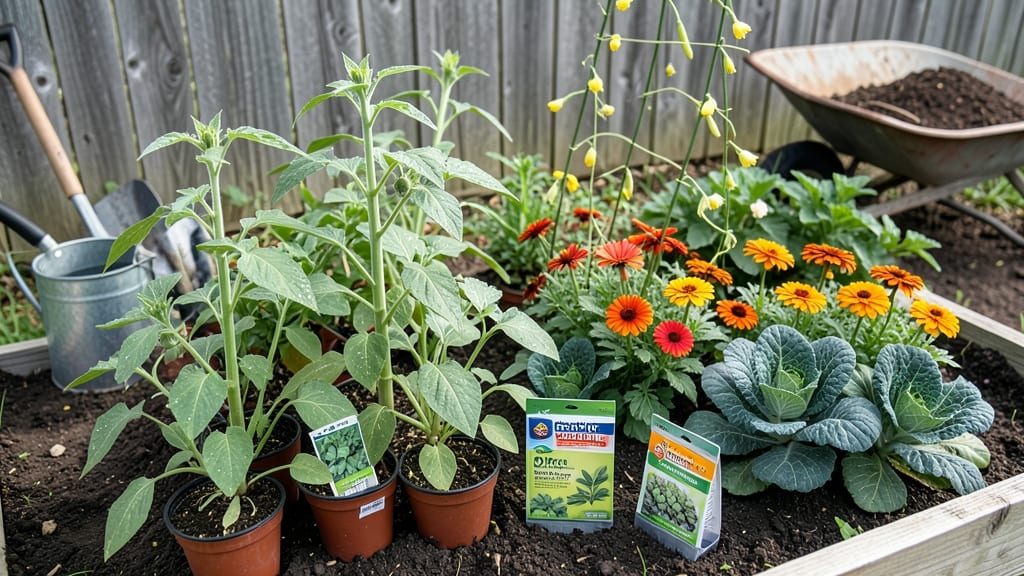
Planting your garden at the wrong time in Georgia can mean the difference between a thriving harvest and a total flop—especially when frost sneaks in unexpectedly. With USDA zones 7a-8b and microclimates that vary from Atlanta’s rolling hills to Savannah’s coastal breezes, timing is everything for General Garden Plants 🌱.
Most gardeners assume spring is the only window, but Georgia’s mild winters and long growing season let you plant twice a year—once in late February and again in August for fall harvests.
The key? Waiting until soil warms to 60°F for warm-season crops like tomatoes and peppers, while cool-season greens like spinach can handle early spring’s chill.
I’ve spent years perfecting the schedule, and what I’m about to share will help you avoid the top 5 planting mistakes Georgia gardeners make—like rushing peppers into cold soil or ignoring regional frost dates.
Let’s dive into the exact months that work for your zone, so you can grow more and waste less.
Whether you’re a first-timer or a seasoned pro, these zero-frost planting windows will transform your garden’s success. Ready to turn your soil into a high-yielding powerhouse? Let’s get started.
Georgia planting calendar by USDA zone: month-by-month zero-frost guidelines
Georgia’s USDA zones 7a–8b create a unique gardening timeline where cool-season crops thrive in winter and warm-season crops flourish in summer. The last spring frost typically arrives between mid-March (North Georgia) and early March (South Georgia), while the first fall frost hits late November.
Understanding these dates ensures your plants avoid frost damage and grow optimally.
Your planting window depends on whether you’re growing cool-season crops (like lettuce or broccoli) or warm-season crops (like tomatoes or peppers). Cool-season crops tolerate cooler temps and can even handle light frosts, while warm-season crops need soil temperatures above 60°F to thrive.
Let’s break down the best months for each zone and crop type.
🌱 For USDA Zone 7a (North Georgia, e.g., Blue Ridge Mountains):
| Season | Cool-Season Crops | Warm-Season Crops | Key Notes |
|---|---|---|---|
| Spring | Late Feb–Early April | Mid-April–Early May | Wait for soil to warm to 60°F; use row covers for early starts. |
| Summer | N/A (Overheats) | Late May–July | Plant after last frost; mulch to retain moisture. |
| Fall | Mid-August–Mid-Sept | N/A (Too late) | Plant 6–8 weeks before first frost for harvest. |
| Winter | Cold-hardy greens only | N/A | Use row covers for protection; avoid planting new crops. |
In USDA Zone 8a–8b (Central/South Georgia, e.g., Atlanta, Savannah), the growing season stretches longer. You can plant cool-season crops as early as late January and warm-season crops by mid-March. The first frost rarely hits before mid-November, giving you extra time for fall harvests.
For warm-season crops like tomatoes, peppers, and squash, wait until the soil temperature reaches 60°F—use a soil thermometer to check.
In North Georgia, this typically happens in mid-April, while South Georgia gardeners can start as early as late March. Cool-season crops like spinach, kale, and carrots can handle light frosts, so plant them 4–6 weeks before your last expected frost date.
Don’t forget about succession planting! For crops like lettuce, radishes, and beans, you can make 2–3 plantings throughout the season to ensure a continuous harvest. For example, plant a batch of lettuce in February, another in April, and a final one in August for a fall crop.
Microclimates play a huge role in Georgia. Urban areas like Atlanta can be 5–10°F warmer than rural areas due to the heat island effect, while coastal regions like Savannah experience milder winters.
Adjust your planting schedule based on your specific location—observe your garden’s microclimate for at least a year to fine-tune your timing.
Pro tip: Use frost-sensitive plants like basil or okra as a frost indicator. If they survive a cold snap, your last frost has likely passed. Conversely, if they die back, wait a few more weeks before planting warm-season crops.
Finally, keep a gardening journal to track your frost dates and planting windows. Over time, you’ll notice patterns unique to your yard—helping you avoid frost damage and maximize your harvests every season. 🌿
Top 5 mistakes Georgia gardeners make with planting timing (and how to avoid them)
Planting too early or too late is a common mistake that can turn your Georgia garden into a sad, underperforming patch. I’ve seen tomatoes bolt in March and peppers wilt after a late frost—both avoidable with the right timing. Let’s fix these mistakes before they ruin your harvest.
First, many gardeners ignore soil temperature instead of air temperature. Warm-season crops like okra and cucumbers need soil at 60°F or warmer to thrive. Planting them in cool soil stunts growth, even if the air feels warm. Always check soil temps with a thermometer before planting.
⚠️ CALLOUT WARNING ⚠️
Mistake #1: Planting Warm-Season Crops Too Early
Warm-season plants like tomatoes, peppers, and squash need consistent warmth. Planting them before May 1 in most of Georgia risks frost damage or stunted growth. Wait until nighttime temps stay above 55°F.
🔹 Fix: Use a soil thermometer—plant when soil hits 60°F.
Another big mistake? Overlooking microclimates. Urban Atlanta can be 5–10°F warmer than rural areas, while coastal Savannah stays milder. If you’re in a heat island, warm-season crops might thrive earlier than the calendar suggests. Observe your yard’s unique conditions for 2–3 years to spot patterns.
Many gardeners also skip succession planting, leading to harvest gaps. Instead of planting all your lettuce or beans at once, stagger seeds every 2 weeks for a continuous supply. This works especially well for fast-growing crops like radishes or bush beans.
Finally, some Georgia gardeners plant cool-season crops too late. Crops like kale, spinach, and broccoli need 6–8 weeks to mature before frost. If you plant them after September 1, they’ll bolt or taste bitter. Aim for August 1–15 for a fall harvest.
By avoiding these 5 timing mistakes, you’ll enjoy healthier plants, bigger yields, and fewer frustrations. Start with soil tests, adjust for your microclimate, and plan your succession schedule—your garden will thank you! 🌱