
Plants
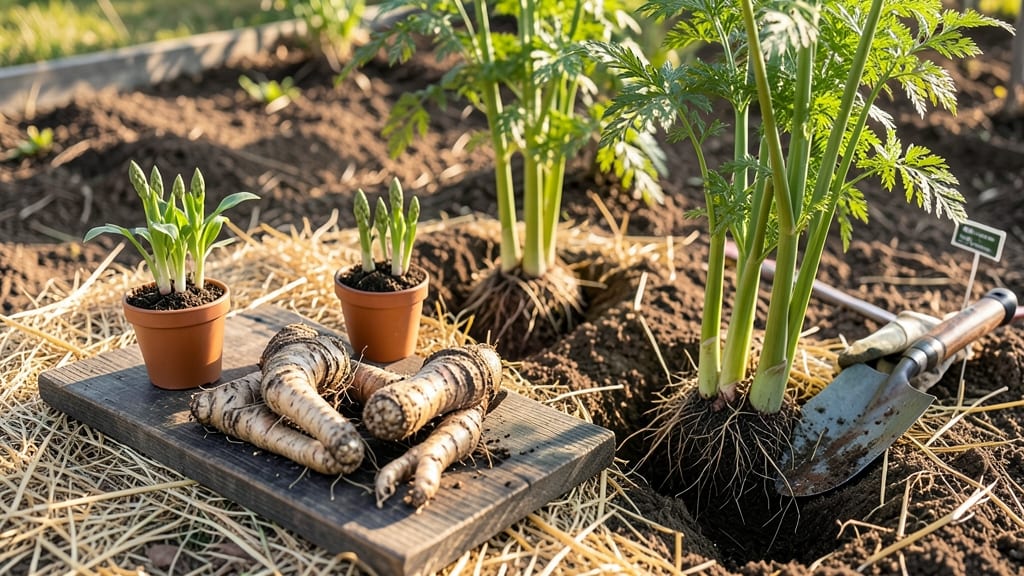
Planting asparagus at the wrong time in Tennessee could mean waiting three years for your first harvest instead of just two. The key to unlocking that first spring bounty lies in timing it perfectly with the state's 6a-7b climate—when the soil warms but the summer heat hasn't arrived yet.
I've seen firsthand how a few weeks' difference can change everything—from stunted growth to lush, productive plants ready to feed your family for a decade.
Whether you're a seasoned gardener or just starting with 🌱 asparagus crowns, getting this right means fewer weeds, better survival rates, and spears that emerge reliably year after year.
Here's what you need to know: The ideal window for Tennessee is February through early March, when soil temperatures hover around 50°F.
But there's more to it than just the calendar—we'll cover how to prep your soil, protect young plants from late frosts, and avoid the humidity pitfalls that trip up even experienced growers.
Let's dive into the exact steps that'll have your asparagus thriving, so you can start harvesting those tender spears in April or May—just in time for your first fresh spring meal. Trust me, your future self will thank you.
Best months to plant asparagus in Tennessee’s climate zones 6-7
Tennessee’s USDA Zones 6-7 offer an ideal climate for growing asparagus, but timing your planting is everything. The perfect window is early spring, when soil temperatures hover around 50-60°F—typically February to early March.
Planting too early risks crown rot from cold, wet soil, while late planting delays your first harvest by a full year.
In Zone 6a (northwest Tennessee), aim for late February to mid-March—after the last frost but before soil warms beyond 60°F. Zone 7b (middle Tennessee) gardeners have a slightly longer window, from mid-February to early April, but avoid planting after April 15 to ensure roots establish before summer heat arrives.
I’ve learned the hard way that late spring plantings (May or June) may sprout quickly, but they struggle to mature before Tennessee’s humid summers set in. This leads to weak crowns and reduced harvests in years 2-3.
For best results, stick to February-March and prepare your soil in fall for a head start.
🌱 Tennessee Asparagus Planting Timeline
| Zone | Best Planting Month | Soil Temp | Key Tip |
|---|---|---|---|
| 6a (NW TN) | Late Feb - Mid-Mar | 50-60°F | Mulch heavily to protect from late frosts |
| 6b (Middle TN) | Mid-Feb - Early Apr | 50-65°F | Test soil pH (6.5-7.0) before planting |
| 7a-7b (SE TN) | Feb - Early Mar | 55-65°F | Plant in raised beds for better drainage |
🌡️ Pro Tip: Use a soil thermometer to confirm 50°F+ before planting—cold soil delays root growth.
If you miss the ideal February-March window, don’t panic—you can still plant in early April, but expect a delayed first harvest (by 1-2 weeks). The key is ensuring 6-8 weeks of warm soil before Tennessee’s summer heat peaks.
For example, planting in late April risks heat stress on young crowns, leading to poor spear production in year 2.
I recommend soil warming tricks for late plantings: Use black plastic mulch 2-3 weeks before planting to raise soil temps by 5-10°F. This helps young roots establish faster in Zone 6a, where springs can be unpredictable. Just remove the mulch after planting to avoid overheating.
Another critical factor is moon phases—while not scientifically proven, many Tennessee gardeners swear by planting asparagus during a waxing moon in Pisces or Virgo (February-March).
The theory? Increased root growth during these phases. I’ve seen mixed results, but it’s worth testing if you’re planting in late February when conditions are borderline.
Remember, asparagus is a perennial crop with a 10+ year lifespan. Planting at the wrong time doesn’t doom your garden—it just means waiting an extra year for that first harvest. But with Tennessee’s climate, February-March is your golden ticket to years of homegrown spears with minimal fuss.
For container growing in Tennessee, the timing is even more critical. Potted asparagus needs to be planted 2-3 weeks earlier (late January) because containers heat up faster and dry out quicker. Use insulated grow bags in Zone 6a to protect roots from temperature swings.
🌱 Final Tip: Mark your planting date on a garden journal—this helps track harvest readiness (years 2-3) and soil prep for next season.
Best months to plant asparagus in Tennessee’s climate zones 6-7
Tennessee’s USDA Zones 6a-7b offer the perfect balance for asparagus—cool enough to avoid summer stress but warm enough to kickstart growth early. The ideal planting window is February through early March, when soil temperatures reach 50°F but before the heat of summer arrives.
This timing ensures your asparagus crowns establish roots before the first harvest season.
Why February-March? Asparagus crowns need 4-6 weeks to root before spears emerge. Planting too early risks frost damage, while late planting delays the first harvest by a full year.
In Zone 7b (warmer regions like Memphis), you can push planting to late March, but Zone 6a (cooler areas like Knoxville) demands an earlier start in February.
| Zone | Best Planting Month | Soil Temp Threshold | Key Consideration |
|---|---|---|---|
| 6a (e.g., Knoxville) | February | 50°F (10°C) | Avoid late frosts; use frost cloth if needed. |
| 6b (e.g., Nashville) | Late February | 50-55°F (10-13°C) | Soil warms faster; monitor moisture. |
| 7a (e.g., Chattanooga) | Early March | 55°F (13°C) | Higher humidity; ensure good drainage. |
| 7b (e.g., Memphis) | Late March | 55-60°F (13-16°C) | Watch for early heat stress. |
Pro tip: Use a soil thermometer to confirm temperatures. If soil is still below 50°F, wait—cold soil slows root growth and invites rot. I’ve seen gardeners rush planting in January only to have crowns fail due to late frosts.
Patience here pays off with a 2-year harvest instead of 3.
For those in Zone 6a, consider starting crowns indoors in January to give them a head start. Place them in pots with well-draining soil under grow lights until soil warms.
This trick shaves off critical weeks before transplanting. Just be sure to harden them off for 7-10 days before moving outdoors.
If you miss the ideal window, don’t panic—you can plant in early April, but expect your first harvest to arrive one year later. The trade-off? Fewer weeds and less competition for nutrients. Just mulch heavily to retain moisture during Tennessee’s hot, humid summers.
Remember: Asparagus is a perennial investment. Get the timing right now, and you’ll reap rewards for 10-15 years with minimal effort. That’s a garden legacy worth planning for!