
Plants
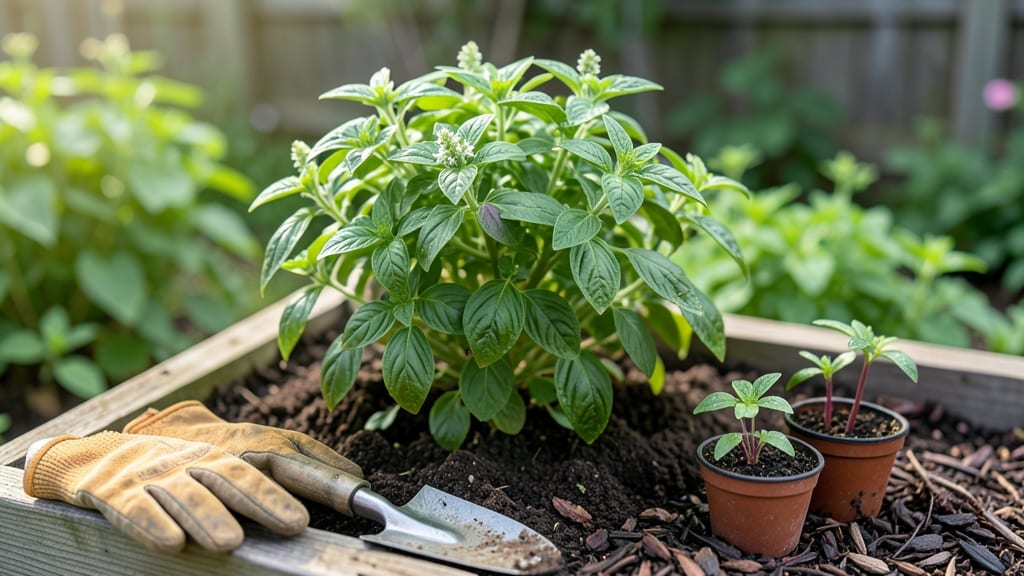
Planting basil in Ohio at the wrong time can turn your 🌿 sweet basil into bitter, flower-filled disappointment—because one week too early or late means bolting before you even get to harvest.
The key to lush, flavorful leaves lies in timing: wait until after your last frost (usually mid-April) when soil hits 50°F, and you’ll avoid the dreaded heat-triggered bolting that ruins your garden dreams.
Ohio’s 6a climate gives you a tight window—about 6 weeks between last frost and summer’s sweltering heat—so getting basil in the ground just right is everything. Start seeds indoors 4-6 weeks before transplanting, or grab sturdy nursery starts once temperatures stabilize.
This isn’t just about dates; it’s about giving your basil the perfect head start before Ohio’s summer sun cranks up the heat.
Here’s the game-changer: most gardeners wait too long, thinking “later is safer,” but basil hates both cold snaps and scorching afternoons.
We’ll break down exactly when to plant—whether you’re in Columbus, Cincinnati, or Cleveland—and how to stretch your harvest with succession planting so you’re snipping fresh leaves from June through September. No more wasted effort, just bold, aromatic basil all season long.
Ready to master the timing? I’ll walk you through the exact calendar, microclimate tweaks, and hardy varieties that thrive in Ohio’s tricky weather—so you can finally grow basil that tastes as good as it looks. Let’s get those seeds in the ground the right way.
Ohio basil planting calendar: exact dates to prevent bolting
Ohio’s last spring frost typically arrives between April 15 and May 1, but this varies by region. In Columbus (Zone 6a), aim for mid-April plantings, while Cleveland’s cooler climate may delay you until late April.
Cincinnati’s urban heat islands can push your window to early April in sheltered spots.
Basil thrives when soil temperatures hit at least 50°F—use a soil thermometer to confirm. Planting too early risks cold-sensitive seedlings bolting prematurely. For container-grown basil, you can start 4-6 weeks before your last frost date indoors under grow lights.
Here’s your Ohio basil planting timeline broken down by region and method:
| Region | Last Frost Date | Ideal Planting Window | Soil Temp Threshold | Key Tip |
|---|---|---|---|---|
| Columbus (Zone 6a) | April 15 | April 20 - May 10 | 50°F+ | Use row covers for early starts |
| Cleveland (Zone 6b) | May 1 | May 10 - June 1 | 55°F+ | Wait for lake breezes to stabilize |
| Cincinnati (Urban) | April 5 (heat islands) | April 10 - April 25 | 50°F+ | Monitor microclimates in containers |
| Indoor Start (Anywhere) | N/A | March 15 - April 1 | 65°F+ | Hardening off required before transplant |
For container basil, you can push planting to late May if using 5-gallon pots with heat-tolerant varieties. Containers warm faster than garden soil, giving you a 2-week extension in Ohio’s short season. Just ensure pots have drainage holes to prevent root rot.
Never plant basil before May 10 in most of Ohio—cold snaps can kill seedlings overnight. If you’re eager for harvests, start Genovese basil indoors in late February and transplant after May 15 when nights stay above 55°F.
Watch for false springs—Ohio’s weather can swing wildly. If frost threatens after planting, cover seedlings with frost cloth or move containers to a sheltered spot. Basil’s sensitive to cold, but it’ll bounce back if protected.
Pro tip: Mark your calendar for June 20—this is when Ohio’s summer heat peaks. Planting too late risks bolting (flowering) by July 4th, turning your sweet basil into bitter seed producers. Time it right, and you’ll harvest flavorful leaves through September.
For succession planting, sow new seeds every 2 weeks from May through June. This ensures a continuous harvest and minimizes bolting risks. Just remember: shade cloth can help during Ohio’s hot July afternoons.
🌱
How to time basil planting for Ohio’s microclimates
Ohio’s microclimates can throw off your basil planting plans if you’re not careful. Cities like Columbus and Cincinnati often experience urban heat islands—areas that stay 5–10°F warmer than rural spots—while Cleveland near Lake Erie might linger cooler due to lake-effect breezes.
Even a 100-foot elevation change can shift your ideal planting window by a week or more.
For example, if you’re gardening in a concrete-heavy downtown area, your soil may warm up faster, letting you plant basil 1–2 weeks earlier than rural neighbors. Meanwhile, higher elevations (like parts of Appalachian Ohio) might need to wait until late May.
Always check your local Almanac frost dates and adjust by 5–7 days based on your microclimate.
Here’s the trick: use row covers or cold frames to protect early plantings in cooler microclimates. A lightweight frost blanket can add 4–6°F of warmth, letting you transplant basil 2 weeks before the official last frost date. Just remove the cover once nighttime temps stay above 50°F consistently.
- 🏙️ Urban areas: Plant 1–2 weeks earlier (soil warms faster).
- 🌊 Lake-effect zones: Wait until May 1–15 (cooler air delays warming).
- 🏔️ Higher elevations: Delay until late May (soil stays cold longer).
- 🌿 Row covers: Extend season by 2–3 weeks in cool spots.
- ☀️ South-facing beds: Plant 3–5 days earlier (more sun = warmer soil).
If you’re unsure about your microclimate, test your soil temperature with a soil thermometer. Basil roots thrive when soil hits 50°F, but 60°F+ is ideal for faster growth.
In Cleveland’s lake-effect zone, I’ve seen soil take until May 20 to reach this mark, while Columbus gardens might hit it by April 25.
For container gardening, microclimates matter even more because pots heat up faster. Place containers on elevated stands or use light-colored pots to reflect excess heat. If your balcony faces west, basil may bolt earlier—so consider shade cloth during peak afternoon sun.
Pro tip: Stagger your plantings by 2 weeks to account for microclimate delays. Start with a few plants in early May, then add more as your local area warms up.
This ensures you’ll have fresh basil from June through September, even if some spots in your yard are slower to warm.