
Plants
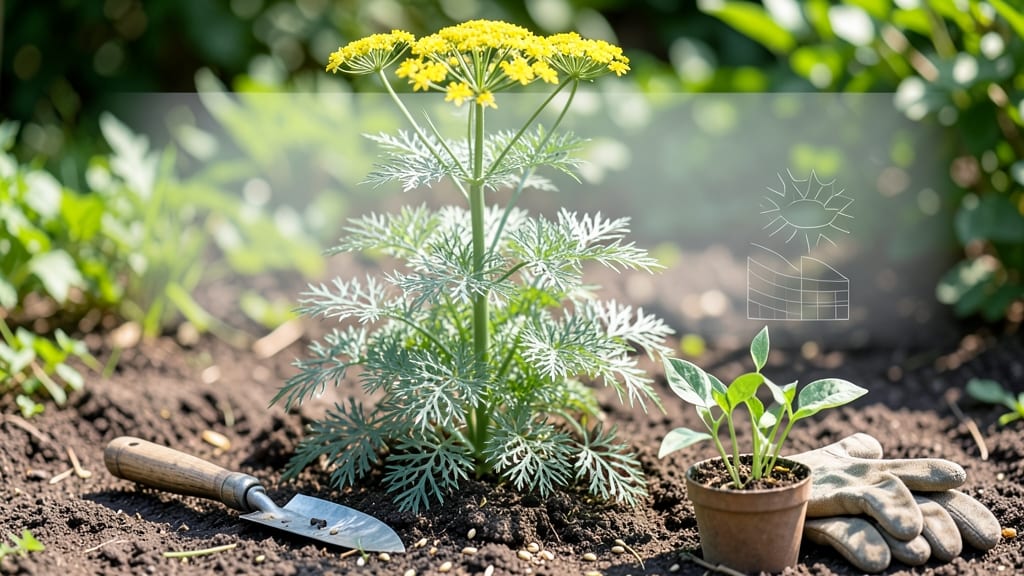
Planting dill in Texas isn’t just about throwing seeds in the dirt—it’s about outsmarting the 90-degree heat and unpredictable frost dates that can turn your fresh herb dreams into a sad, bolting mess.
If you’ve ever watched your dill go from lush 🌿 to flower-stalked disappointment in days, you’re not alone. The secret lies in timing: knowing when to plant for two harvest windows (spring and fall) while avoiding Texas’ brutal summer slump.
Most gardeners in USDA zones 8a-11 swear by two planting windows: late winter to early spring (February-March) and late summer to early fall (August-September).
But here’s the catch—North Texas (like Dallas) needs to wait until after February 15 to dodge frost, while South Texas (Houston and beyond) can start as early as January. Miss these windows, and your dill will bolt before you can say “garlic-dill salad.”
What if you live in an urban apartment with no yard? No problem. Container growing works—just plant in well-draining pots and move them to shade during peak afternoon heat.
The key is consistency: water every 2-3 days in summer, feed lightly in spring and fall, and harvest leaves when they’re 4-6 inches tall for that perfect fresh flavor.
Ready to grow dill that actually lasts? I’ll break down the exact planting schedule by region, plus pro tips to keep your plants thriving—no bolting, no stress. Let’s get those seeds in the ground the right way.
Texas dill planting calendar: best months by region to prevent bolting
Texas’ diverse climate zones mean your dill planting window can vary by hundreds of miles.
In North Texas (Zones 7b-8a), like Dallas or Fort Worth, the last frost typically hits around February 15, while South Texas (Zones 9a-11), such as Houston or San Antonio, can plant dill as early as January.
Central Texas (Zones 8a-8b) falls somewhere in between, with ideal planting between late February and early March.
Dill is a cool-season crop that bolts quickly when temperatures rise above 80°F. To avoid this, focus on planting in spring (February-April) and fall (August-September).
Fall plantings give dill a head start before winter, while spring plantings ensure you harvest before the summer heat sets in. Missed the window? Don’t worry—succession planting can extend your harvest!
Here’s the breakdown by region to keep your dill thriving and bolting-free:
For urban gardeners or those with limited space, container growing works year-round in Texas. Just ensure your pots have drainage holes and use a lightweight potting mix. Containers warm up faster, so monitor soil moisture closely—dill hates soggy roots but wilts quickly in dry soil.
I’ve grown dill in 5-gallon buckets on my balcony in Austin, and with proper watering, it thrives!
If you’re planting in fall, aim for August-September to give dill time to establish before cooler weather arrives. In South Texas, you can even plant a winter crop in December, but protect it with row covers if temperatures dip below 30°F.
Dill is surprisingly cold-hardy once established, but young seedlings won’t tolerate frost.
Pro tip: Direct-sow seeds rather than transplanting seedlings. Dill has a taproot, which means it hates being disturbed. Scatter seeds ¼-inch deep in well-drained soil and keep them moist until germination, which typically takes 10-14 days.
Thin seedlings to 12 inches apart once they’re 2 inches tall to give them room to grow.
One of the biggest mistakes Texas gardeners make is planting dill too early in spring. If you sow seeds in January in North Texas, the sudden warmth in March will trigger bolting before you can harvest.
Wait until soil temperatures reach 50°F—use a soil thermometer to check! In my East Texas garden, I’ve found that planting in late March gives me a full harvest before the summer heat peaks.
For a continuous harvest, stagger plantings every 2-3 weeks from February through April. This ensures you always have fresh dill for pickling, soups, or garnishes. In fall, a single planting in August should provide leaves through October, with seeds ready by November.
Save some seeds for next year—they store well in a cool, dry place.
Remember, Texas heat is dill’s enemy. Once temperatures exceed 90°F, growth slows, and plants may bolt prematurely. If you’re determined to grow dill in summer, opt for shade-tolerant varieties like ‘Fernleaf’ and provide afternoon shade with a 30% shade cloth.
With these timing tricks, you’ll avoid the heartbreak of wilted dill and enjoy fresh herbs all year!
How to extend dill’s growing season in Texas heat (without losing flavor)
Texas summers can turn your dill plants into crispy shadows faster than you can say "pickle season." The key to keeping them thriving? Strategic heat management—not just watering more. Here’s how to stretch your dill’s growing window without sacrificing flavor or risking bolting from the heat.
First, mulch aggressively with 2-3 inches of organic mulch (like straw or shredded leaves) to lock in moisture and keep roots cool. This isn’t just about water retention—it’s about soil temperature regulation.
Dill roots prefer soil temps between 60-75°F, and mulch can drop that by 10°F or more during peak afternoons.
Shade Cloth Timing
Install 30-50% shade cloth when temps hit 90°F+—usually May through September in most of Texas. Remove it by 6 PM to allow evening light for photosynthesis.
✅ Pro Tip: Use white shade cloth—it reflects 20% more heat than black.
Next, succession plant every 2-3 weeks from March through September. This ensures you always have fresh dill while older plants mature. For containers, use 5-gallon pots with fast-draining mix (60% potting soil, 30% perlite, 10% compost) to prevent root rot from Texas’s intense afternoon sun.
Don’t overlook companion planting. Pair dill with bush beans or lettuce—they provide shade during the hottest hours while repelling pests like spider mites. Avoid planting near carrots or onions, which compete for nutrients and stress the dill.
When heat waves hit, prune aggressively to encourage bushier growth. Cut back one-third of the foliage when plants reach 12 inches tall, focusing on the outer leaves.
This reduces transpiration and keeps the plant compact. Harvest daily in peak heat—even small pinchings signal the plant to focus on leaf growth over flowering.
Finally, revive wilted dill with a cool-water soak: Place the pot in a shallow tray of lukewarm water for 10 minutes, then let it drain. Follow up with a light application of seaweed fertilizer (diluted to half strength) to rebuild cellular resilience.
Most plants bounce back within 24-48 hours if roots aren’t permanently damaged.