
Plants
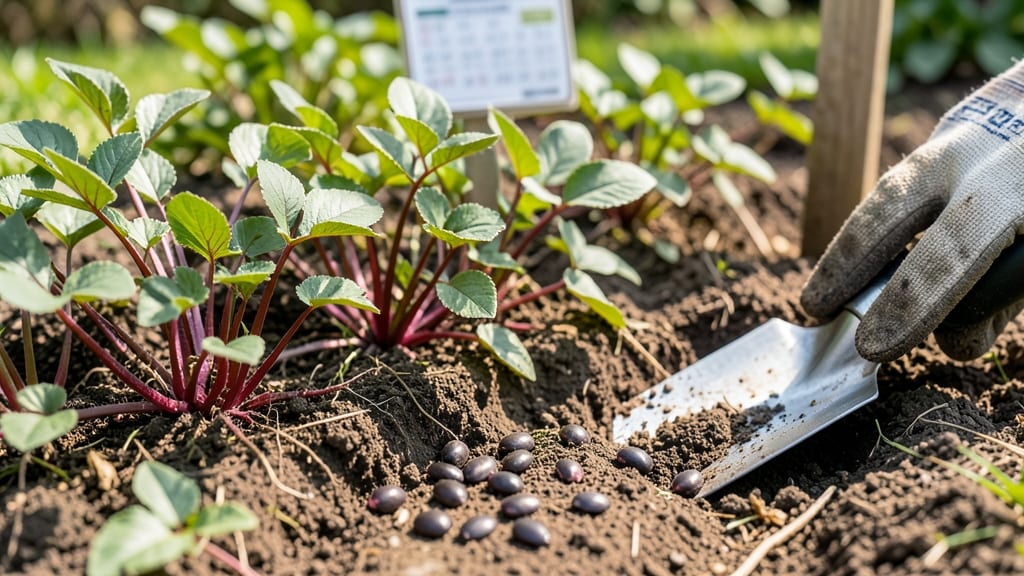
Planting beets in Zone 7b at the wrong time can turn your sweet 🍠 harvest into tough, bitter roots—so timing isn’t just important, it’s the difference between success and frustration.
Whether you’re a first-time gardener or a seasoned grower, knowing when to start seeds in spring or fall makes all the difference for tender, flavorful beets.
In Zone 7b, where last frosts typically hit around March 15 and first frosts arrive by November 15, you’ve got two prime windows: early spring (March–April) or late summer (July–August).
But getting it wrong—like planting too early when soil is still cold or too late when days grow short—can trigger bolting or stunted growth.
I’ll break down the exact timing for each season, including soil temperature tips and how to adjust for your local microclimate. You’ll also learn how to troubleshoot common mistakes, like why your beets might bolt or stay small, so you can avoid them from the start.
With the right approach, you’ll enjoy a steady supply of homegrown beets from June through November—no guesswork, just delicious results. Let’s get those seeds in the ground at the perfect moment.
Optimal spring planting times for beets in Zone 7b
Timing your beet planting in Zone 7b can mean the difference between sweet, tender roots and bitter, woody failures. For spring plantings, aim for late March to early April when soil temperatures consistently reach 50°F (10°C).
This window ensures fast germination and avoids the risk of late frosts, which can stunt young seedlings.
Beets are cold-hardy but prefer soil that's at least 40°F (4°C) for germination. If you plant too early—say, in February—you might face slow sprouting or rot. Meanwhile, planting after mid-April risks bolting (premature flowering) due to rising temperatures, especially if your spring is unusually warm.
Check your last frost date (typically around March 15 in Zone 7b) and plant 4-6 weeks before to give seedlings time to mature before summer heat sets in.
For example, if your last frost is March 20, start seeds indoors in late February or sow directly outdoors in early March.
Pro tip: Use a soil thermometer to confirm temperatures. Beets need 50-70°F (10-21°C) soil for optimal growth. If your soil is cooler, wait a few days or use black plastic mulch to warm it faster.
🌱
| Stage | Action | Zone 7b Timing |
|---|---|---|
| Soil Prep | Test pH (6.0-7.0), add compost | Late February - Early March |
| Direct Sowing | Plant seeds ½" deep, 1-2" apart | Late March - Early April |
| Germination | Keep soil moist (50-70°F) | 7-14 days |
| Thinning | Thin to 3-4" apart | 3-4 weeks after sowing |
| Harvest Window | Pull roots 1-3" diameter | June - August |
For successful spring beets, focus on consistent moisture after germination. Water deeply every 3-4 days to prevent bolting, and avoid overhead watering to reduce disease risk. If your spring is unusually dry, consider drip irrigation to keep roots evenly moist.
Another key factor is sunlight exposure. Beets thrive in 6-8 hours of full sun daily, but they tolerate partial shade. In Zone 7b, plant them in a spot with morning sun and afternoon shade if your summers are scorching.
This balance prevents the roots from becoming tough or bitter.
If you miss the spring window, don’t worry—fall planting is another great option for Zone 7b gardeners. Start seeds in late July to early August for a late-season harvest before the first frost. This approach avoids the heat stress of summer planting while still yielding sweet roots.
Finally, keep an eye on pests like leaf miners and aphids, which are common in spring. Use row covers or neem oil to protect young plants without harming beneficial insects.
With the right timing and care, your Zone 7b beets will be ready for harvest in just 55-70 days!
🌿
Optimal spring planting times for beets in Zone 7b
Timing your beet planting in Zone 7b is all about balancing soil temperatures and frost dates. Beets germinate best when soil reaches 50°F (10°C), but they can't handle late spring frosts—which in Zone 7b typically occur around March 15.
Aim to plant 4-6 weeks before your last frost date for the sweetest harvests.
For Zone 7b, that means starting seeds indoors in late February or sowing directly outdoors in early March. If you're planting directly, use row covers or cold frames to protect seedlings from unexpected frost until soil warms consistently.
My favorite trick? Plant a test patch in late February to gauge germination speed.
🌱
| Stage | Action | Zone 7b Timing |
|---|---|---|
| Soil Prep | Test pH (6.0-7.0), loosen soil | Late February |
| Indoor Start | Sow seeds 6 weeks before last frost | Late February |
| Outdoor Planting | Direct sow after soil reaches 50°F | Early March |
| Germination | Keep soil moist (7-10 days) | March-April |
| Thinning | Thin to 2-3 inches apart | April |
| Harvest | 55-70 days after sowing | June-August |
Pro tip: If you're planting late March or early April, choose cold-hardy varieties like 'Detroit Dark Red' or 'Golden' beets. These handle temperature fluctuations better than heat-sensitive types. Also, avoid planting too close to maturing brassicas (like cabbage), as they compete for nutrients.
For continuous harvests, stagger plantings every 2 weeks from March through May. This ensures you always have tender beets ready to pull, rather than a single massive harvest that spoils before you can eat it all.
I like to mark my calendar for March 15, April 1, and May 1 as my key planting dates.
Watch for bolting—when beets flower prematurely—if daytime temperatures exceed 80°F (27°C). In Zone 7b, this usually happens by late May, so plan your last spring planting by mid-May to avoid bitter, stringy roots. If you see flower stalks emerging, harvest immediately or pull the plants.
☀️