
Plants
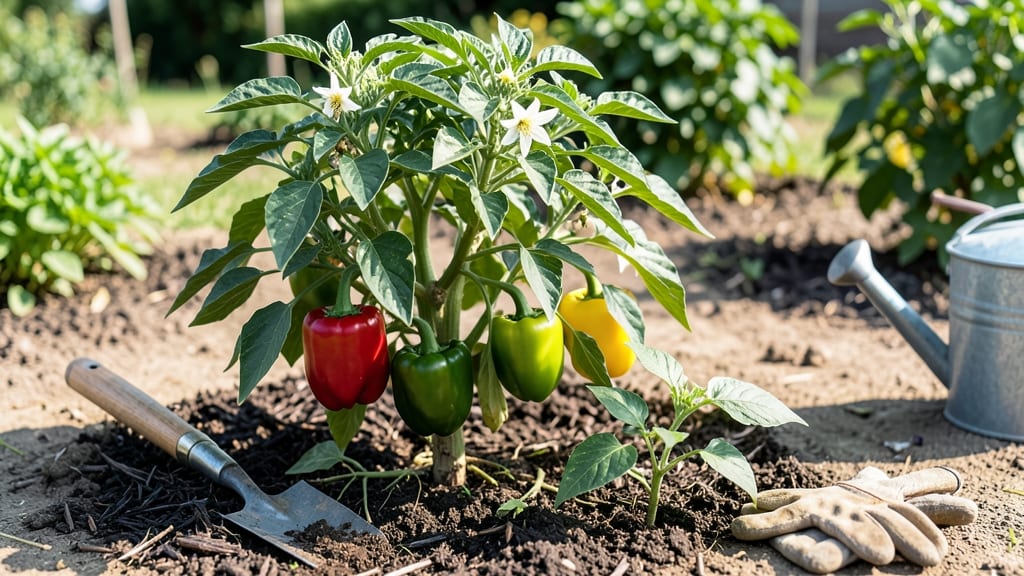
Planting bell peppers in Arizona isn’t just about timing—it’s about outsmarting the desert’s heat and unpredictable shifts. With soil temperatures soaring to 100°F by summer, even the hardiest 🌶️ varieties can bolt before producing a single pepper.
But here’s the game-changer: the right planting window—either in early spring or late summer—can turn your backyard into a pepper paradise.
Most Arizona gardeners swear by transplanting bell peppers between mid-February and mid-March, when the ground warms to at least 65°F. This gives your plants a head start before the brutal summer sun arrives.
Yet, if you’re in cooler high-desert areas like Flagstaff, you might need to wait until late April or even early May to avoid frost surprises.
But what if you crave fresh peppers all year? Fall planting—from late July to early August—lets you harvest through September and October, dodging the worst heat. The key? Mulching with black plastic to stabilize soil temps and using shade cloth to protect plants from midday sun.
These tricks can extend your growing season by 30 days or more.
Ready to master the art of desert pepper-growing? I’ll break down the exact soil temp triggers, regional tweaks for Phoenix vs. Tucson, and foolproof methods to keep your plants thriving—no guesswork required. Let’s get those 🌶️ sprouts off to the right start.
Optimal Arizona bell pepper planting dates based on soil temperature
Arizona’s USDA Zone 9b climate demands precision when planting bell peppers. Unlike northern states, we don’t have to worry about frost, but soil temperature is our biggest clue.
Bell peppers need 50°F soil to germinate and 65°F+ to thrive—critical thresholds that vary by region. Phoenix and Tucson hit these marks earlier than Flagstaff’s cooler high desert.
For spring planting, aim for mid-February to mid-March when daytime temps stabilize above 70°F. This gives peppers 90-100 days to mature before summer’s brutal heat. Fall crops should go in late July to early August, targeting harvest before September’s monsoon rains stress plants.
Here’s how soil temperature guides your planting window:
| Stage | Soil Temp (°F) | Arizona Region | Planting Window |
|---|---|---|---|
| Germination | 50–55°F | Phoenix/Tucson | Late Jan–Early Feb |
| Germination | 50–55°F | Flagstaff | Early Mar–Mid Mar |
| Transplant | 65°F+ | Phoenix/Tucson | Mid-Feb–Mid-Mar |
| Transplant | 65°F+ | Flagstaff | Late Mar–Early Apr |
| Fall Crop | 60–65°F | All Regions | Late July–Early Aug |
Use a soil thermometer to verify temps—especially in container gardens, which heat up faster. In Phoenix’s Valley, daytime highs can exceed 100°F by May, so plan to transplant young plants (not seeds) after April 15 to avoid heat stress.
For Tucson’s microclimates, mountain slopes stay cooler, buying you 2–3 extra weeks of planting time. Test your soil’s pH (6.0–6.8)—Arizona’s alkaline soils often need sulfur amendments to prevent blossom-end rot, a common pepper killer.
Pro tip: Start seeds 8–10 weeks before your target transplant date. Use grow lights to mimic Arizona’s 12+ hour daylight in summer, preventing leggy seedlings that flop in the desert sun.
Remember, monsoon season (July–September) brings sudden downpours. If planting in July for fall crops, use raised beds with drip irrigation to avoid waterlogged soil, which stunts root growth.
Timing isn’t just about dates—it’s about soil warmth, daylength, and heat tolerance. Choose heat-tolerant varieties like ‘NuMex Sandia’ or ‘Aristotle’ for summer starts, and always harden off seedlings for 7–10 days before transplanting.
Optimal Arizona bell pepper planting dates based on soil temperature
Arizona’s USDA Zone 9b climate lets you grow bell peppers year-round, but timing is everything. The key is soil temperature—bell peppers need 50°F+ for germination and 65°F+ for healthy transplants.
In Phoenix and Tucson, aim for mid-February to mid-March for spring crops, while late July to early August works for fall harvests.
Cooler highland areas like Flagstaff can start 2-4 weeks later due to later warming. Always test soil with a soil thermometer—don’t rely on air temperature alone. Morning sunlight warms soil faster, so plant on clear days to speed up germination.
For container gardening, use black pots to absorb heat faster. If you’re in elevated areas like Prescott, wait until April 15—cooler nights slow soil warming. Always harden off seedlings for 7-10 days before transplanting to avoid shock from Arizona’s intense sun.
Pro tip: Plant NuMex Sandia or Aristotle varieties—they tolerate heat better than standard types. These varieties also handle short growing seasons well, making them perfect for Arizona’s fall crops when days shorten.
Monitor your garden’s microclimate—a north-facing spot may stay 10°F cooler than a south-facing bed. Use a shade cloth (30-50%) during 100°F+ heat waves to prevent bolting. This simple trick can extend your harvest window by 2-3 weeks.
Remember: Peppers hate cold feet. If nighttime temps drop below 55°F, cover plants with row fabric or move containers to sheltered spots. With these soil temp triggers, you’ll dodge the common Arizona pitfalls and enjoy peppers from May through October.