
Plants
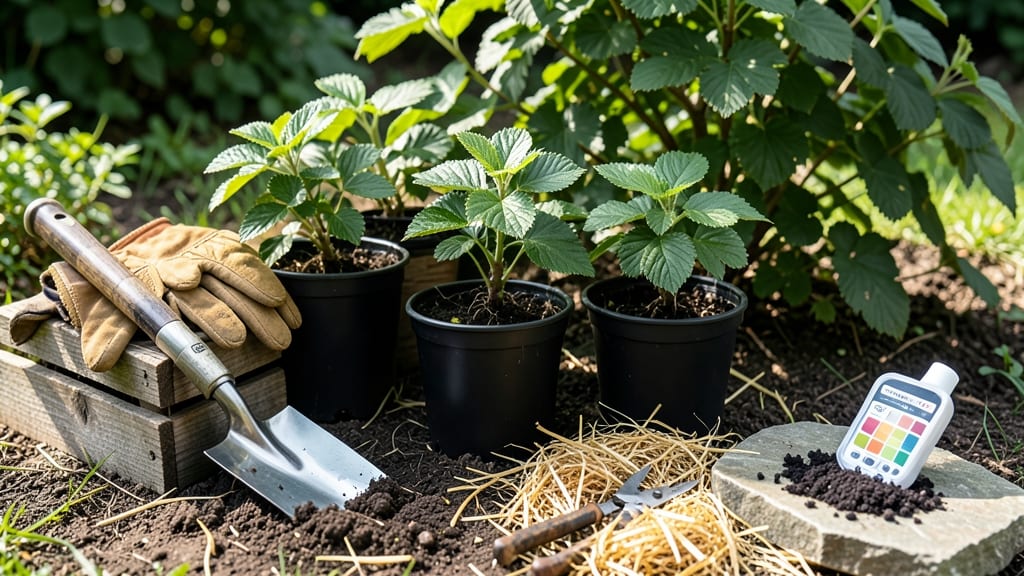
Planting blackberries in North Carolina at the wrong time can mean the difference between a bountiful harvest and struggling bushes that never quite thrive. With USDA zones 6a-8b offering everything from chilly mountain air to coastal warmth, timing matters more than you might think.
The key is understanding your local frost dates and chill-hour needs—whether you're growing semi-evergreen varieties in the Piedmont or hardier types in the mountains. I'll break down the best windows for planting bare-root or potted 🫐 blackberries, so you avoid common mistakes that kill NC bushes every year.
From late winter's dormancy to fall's cooler soil, we'll cover when to plant for maximum root establishment before summer heat. Plus, I'll share which varieties perform best in your specific zone and how to extend the growing season if you're in warmer coastal areas.
Ready to grow blackberries that produce year after year? Let's get started with the perfect planting schedule for your NC garden.
NC blackberry planting timeline by chill-hour requirements
Timing your blackberry planting in North Carolina is all about matching your variety to the state’s chill-hour zones (400–1,000 hours) and avoiding both late frosts and summer heat stress.
Most NC gardeners plant in late winter or early spring (February–March) for semi-evergreen varieties or fall (September–October) for deciduous types, ensuring roots establish before winter dormancy.
NC spans USDA Zones 6a–8b, meaning coastal areas (like Wilmington) have milder winters, while the mountains (Asheville) experience colder temperatures. Semi-evergreen varieties like ‘Duke’ thrive in warmer zones (600+ chill hours), while traditional types like ‘Chester’ need 800+ chill hours for optimal fruiting.
Here’s your NC blackberry planting timeline broken down by chill-hour needs and planting windows:
| Variety Type | Chill-Hour Needs | Best Planting Window | Soil Temp for Planting | NC Regions |
|---|---|---|---|---|
| Semi-evergreen | 400–600 hours | Late winter (Feb–March) | 50–60°F | Coastal (Zones 7b–8b) |
| Deciduous | 600–1,000 hours | Fall (Sept–Oct) or early spring | 50–60°F | Piedmont/Mountains (Zones 6a–7a) |
| Thornless (e.g., ‘Natchez’) | 500–800 hours | Fall (Sept) or spring (March) | 50–60°F | Statewide (adaptable) |
For bare-root plants, soak roots in water for 2–4 hours before planting to rehydrate them. If using potted plants, transplant as soon as soil warms to 50°F—this prevents transplant shock and encourages faster root growth.
In NC’s Zone 7a and below, aim for September planting to let roots harden before winter.
Pro tip: Use row covers in early spring if late frosts linger (common in the mountains). This protects new growth until temperatures stabilize above 40°F at night. Coastal NC gardeners can plant slightly earlier (late February) since frost risks are lower.
Blackberries planted in fall benefit from cooler temperatures, which reduce stress and encourage root development before winter dormancy. However, avoid planting after October 15 in cooler zones (6a–7a), as roots may not establish before frost.
Soil temperature is just as critical as air temperature. Use a soil thermometer to confirm it’s 50–60°F at a 4-inch depth before planting. In NC’s Piedmont region, this usually aligns with mid-March, while mountain zones may need to wait until late March or April.
Once planted, mulch with 2–3 inches of straw or wood chips to retain moisture and regulate soil temperature. This is especially important in NC’s hot, humid summers, where mulch prevents soil from overheating and drying out.
Remember: Thornless varieties like ‘Natchez’ are easier for home gardeners but may require extra winter protection in Zone 6a. Wrap canes with burlap or frost cloth if temperatures dip below 15°F.
🌱
NC blackberry planting timeline by chill-hour requirements
North Carolina’s diverse chill-hour zones (ranging from 400 to 1,000 hours) mean your blackberry planting window depends on the variety you choose. Semi-evergreen types like ‘Natchez’ thrive in warmer zones (Zone 7b–8b) with fewer chill hours, while deciduous varieties like ‘Duke’ need 600–800 hours for proper dormancy.
Planting at the right time ensures your bushes establish roots before summer’s heat stress.
For cooler inland regions (Zones 6a–7a), aim for late winter to early spring (February–March) when soil temperatures hit 50–60°F. In warmer coastal areas (Zones 7b–8b), fall planting (September–October) works better to avoid summer heat. Both windows give roots time to settle before active growth.
| Blackberry Type | Chill-Hour Needs | Best NC Planting Window | Soil Temp for Planting |
|---|---|---|---|
| Semi-evergreen (e.g., ‘Natchez’) | 400–600 hrs | Fall (Sept–Oct) or early spring (Feb) | 55–65°F |
| Deciduous (e.g., ‘Duke’) | 600–800 hrs | Late winter (Feb–March) | 50–60°F |
| Thornless (e.g., ‘Chester’) | 500–700 hrs | Fall (Sept) or spring (March) | 52–62°F |
*Adjust for microclimates: Coastal NC can plant 2–4 weeks later than Piedmont.
If you’re planting bare-root canes, do it as soon as soil is workable—even if frost is still possible. For potted plants, wait until after the last frost date (March 15 in Zone 6a, April 15 in Zone 8b) to avoid transplant shock.
Pro tip: Soak bare-root canes for 2–4 hours before planting to jumpstart root growth.
NC’s mountain regions (e.g., Asheville) can plant 2 weeks earlier than the coast (e.g., Wilmington) due to cooler springs. Use a soil thermometer to confirm 50°F+ soil temps—cold soil slows root establishment. Mulch with straw or wood chips after planting to retain moisture and regulate soil temperature.
Ever wonder why some blackberry bushes struggle in NC? It’s often poor timing or wrong variety for the chill hours. For example, planting a high-chill variety like ‘Boyne’ in Zone 8b (coastal NC) will result in weak growth or no fruit.
Always match your variety to your local chill-hour zone for best results.
For fall planting, aim to get canes in the ground 6–8 weeks before frost (by early November in Zone 6a). This gives roots time to establish before winter dormancy. Water deeply after planting and avoid fertilizing until spring—new roots need energy, not extra nutrients.