
Plants
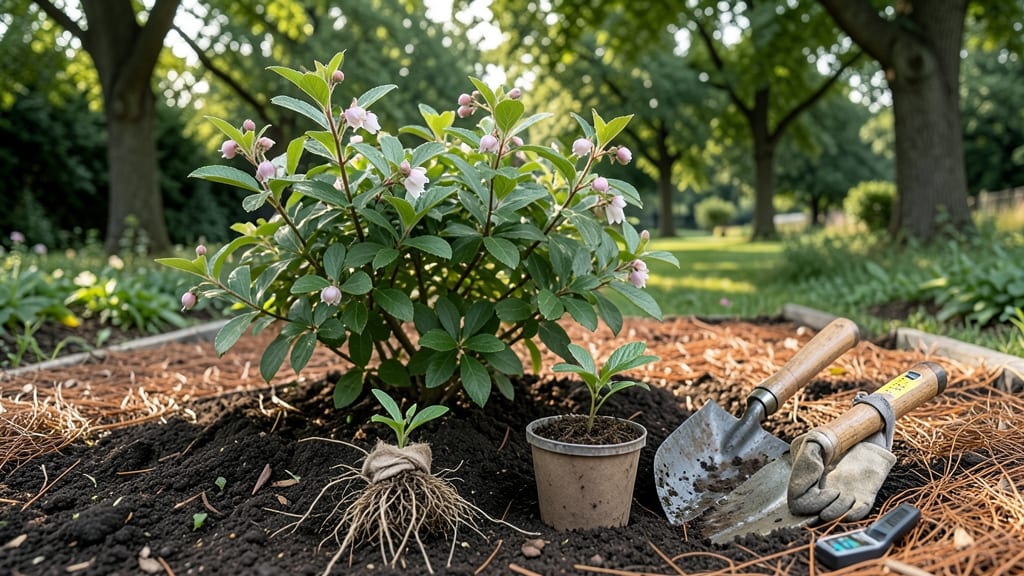
Timing your blueberry planting in Indiana could mean the difference between a bountiful harvest of sweet 🫐 berries and a sad, frost-nipped disappointment. The key isn't just waiting for spring—it's matching your blueberry variety to Indiana's chill-hour zones and avoiding the dreaded late frost window.
I've learned the hard way that planting too early risks young roots freezing, while waiting too long can stunt growth before winter.
The perfect window opens in late April to early May (after the last frost) or slips into early September for fall planting—both strategies work if you prep your soil right.
What you'll discover here is how to pick the right blueberry type for your Indiana zone, whether you're in the cooler 5b areas or the slightly warmer 6b regions. We'll cover soil acidity secrets, frost-proofing tips, and exactly when to water your new shrubs for maximum survival.
Ready to grow blueberries that thrive? Let's get your planting schedule locked in before the next frost warning hits—because once those roots take hold, you're on your way to years of homegrown 🫐 treats.
Indiana’s chill-hour zones: best blueberry varieties for your location
Indiana’s climate varies dramatically from north to south, with chill-hour requirements ranging from 500–1,000 hours below 45°F. Choosing the right blueberry variety ensures your shrubs thrive, produce fruit, and survive Indiana’s late spring frosts and early fall freezes.
Northern Indiana (USDA zones 5a-5b) needs varieties with 800–1,000 chill hours, while southern Indiana (zones 6a-6b) can handle 500–700 chill hours.
For example, ‘Bluecrop’ and ‘Duke’ are top picks for northern Indiana, while ‘Jersey’ and ‘Patriot’ thrive in southern counties. Each variety also has a specific planting window to avoid frost damage. Let’s break it down by region so you can pick the perfect match for your yard.
| Region | Chill Hours | Best Varieties | Planting Window | Notes |
|---|---|---|---|---|
| Northern Indiana (Zones 5a-5b) | 800–1,000 | Bluecrop, Duke, Earliblue | Late April–Early May (after last frost) or early September | Needs late-season protection from frost |
| Central Indiana (Zones 5b-6a) | 600–800 | Jersey, Patriot, Legacy | Late April–Early May or mid-September | Moderate frost risk; mulch heavily |
| Southern Indiana (Zones 6a-6b) | 500–700 | Duke, Premier, Chandler | Early April–Early May or late September | Warmer microclimates; extend harvest season |
If you’re unsure about your chill-hour zone, check your last spring frost date (typically April 15 in northern Indiana, March 30 in the south) and use the USDA Plant Hardiness Zone Map.
For example, ‘Bluecrop’ needs 1,000 chill hours and won’t fruit well in southern Indiana without adjustments like early spring planting or fall mulching.
Another critical factor is soil acidity. Blueberries demand a pH of 4.5–5.5, which is rare in Indiana’s naturally alkaline soils. Before planting, test your soil and amend it with peat moss, sulfur, or pine needles.
This step is non-negotiable—high pH kills roots and stunts growth, even with the perfect planting window.
For container growing, choose dwarf varieties like ‘Top Hat’ or ‘Sunshine Blue’, which need fewer chill hours (500–600) and can be moved to protected microclimates during late frosts.
Containers also let you control soil pH more easily, making them ideal for urban gardeners in Indiana’s heat islands.
Timing your planting isn’t just about the calendar—it’s about soil temperature. Wait until the ground warms to at least 45°F in spring or cools to 60°F in fall. Use a soil thermometer to check; planting too early in cold soil can stress roots and invite disease.
In northern Indiana, aim for late April after the average last frost, while southern Indiana gardeners can start as early as mid-March.
Pro tip: If you plant in fall (September–October), choose bare-root plants and water them deeply before the first hard freeze. Fall-planted blueberries establish roots earlier, giving them a head start in spring. Just avoid planting after October 15, when Indiana’s first frost typically arrives.
Finally, consider pollination. Most blueberries are self-pollinating, but planting two varieties (like ‘Bluecrop’ + ‘Duke’) ensures better yields. Place them 10–15 feet apart so bees can travel easily between shrubs. This small tweak can double your harvest in Indiana’s variable climate.
With the right variety and planting window, your blueberries will reward you with juicy, homegrown fruit for decades. Start with your chill-hour zone, prep that acidic soil, and mark your calendar for late April or early fall—your future breakfast will thank you! 🫐
Step-by-step planting timeline for Indiana’s spring and fall seasons
Indiana’s blueberry planting windows are short but critical—timing ensures your shrubs establish roots before winter or summer stress. For spring planting, aim for late April to early May, after the last frost (typically April 15).
Fall planting works best in September, giving roots time to settle before October’s first frost.
Bare-root blueberries need moist, well-draining soil and acidic conditions (pH 4.5–5.5). If planting in containers, use a mix of peat moss, pine bark, and perlite. For in-ground plantings, amend native soil with sulfur or composted pine needles to lower pH naturally.
- 🌱 Late April–Early May (Spring): Soak bare roots in water for 2–4 hours before planting. Dig holes twice as wide as the root ball, ensuring the crown sits 1 inch above soil level.
- 💧 First 2 Weeks: Water deeply every 2–3 days to encourage root growth. Mulch with 3–4 inches of pine straw to retain moisture and acidify soil.
- ☀️ June–July: Apply balanced fertilizer (10-10-10) after harvest to replenish nutrients. Prune dead or crossing branches to improve airflow.
- 🍂 September (Fall): Plant 6–8 weeks before first frost. Water thoroughly after planting, then reduce to weekly as temperatures drop.
- ❄️ October–March: Mulch heavily (4–6 inches) to insulate roots. Avoid fertilizing—blueberries rest in winter.
Spring-planted blueberries may flower the first year, but resist the urge to harvest—focus on root establishment. In contrast, fall-planted shrubs often produce better yields sooner because they acclimate over winter. For container-grown plants, stagger planting dates to extend the harvest window.
Indiana’s microclimates (e.g., urban heat islands vs. rural frost pockets) can shift frost dates by 1–2 weeks. Check your local USDA Zone (5b–6b) and monitor weather forecasts for late frosts. If nights dip below 28°F, cover young plants with frost cloth to prevent damage.
After planting, prune lightly to remove any damaged stems and shape the shrub. Avoid heavy pruning in the first year—focus on encouraging bushy growth. By Year 2, you’ll see significant height gains (3–4 feet) and the first small harvests if planted correctly.
Remember: Patience is key—blueberries take 2–3 years to mature fully, but proper timing now means decades of sweet berries with minimal fuss. Start your timeline today, and enjoy the rewards!