
Plants
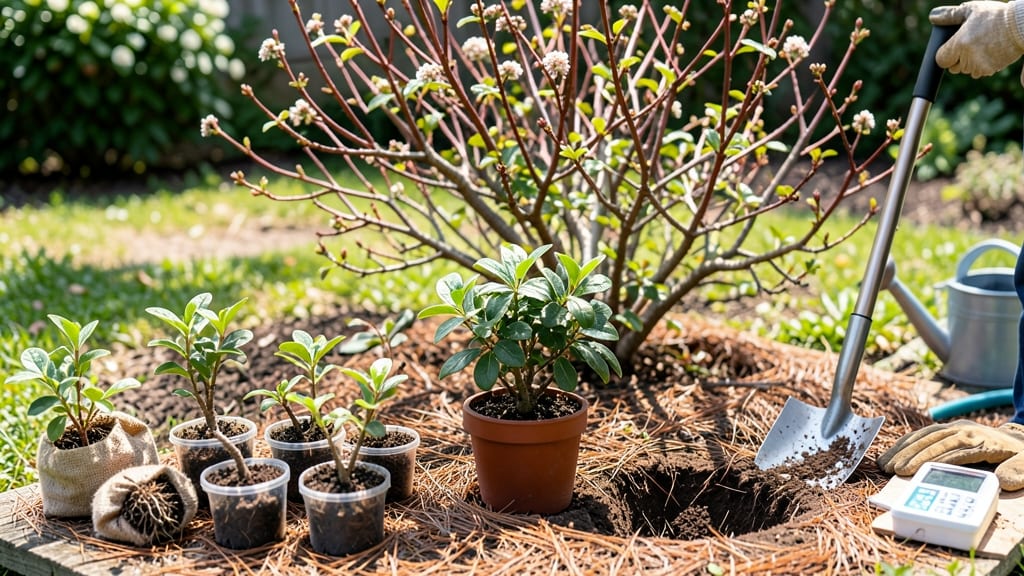
Planting blueberries in Wisconsin isn’t just about digging a hole—it’s about matching your bushes to the state’s chill-hour zones and avoiding those sneaky late frosts that can turn your dream harvest into a sad, wilted memory.
Whether you’re in USDA Zone 4a or the milder Zone 6b, timing is everything, and getting it wrong could mean waiting another year for those juicy 🫐 berries.
Most Wisconsin gardeners swear by early spring (April) or early fall (September) planting, but here’s the catch: Northern Wisconsin’s colder microclimates need hardier varieties, while Southern Wisconsin can handle slightly later starts.
I’ll break down exactly when to plant based on your frost dates, soil prep, and even how to tell if your blueberries are getting enough chill hours to fruit.
You might think all blueberry bushes are created equal, but the wrong variety in your yard could mean fewer berries—or none at all. For example, Northern Highbush types thrive in Zone 4a, while Southern Highbush varieties push the limits in Zone 6b.
I’ll show you how to pick the right one for your location and avoid common mistakes that derail even the most well-intentioned gardeners.
Once you’ve got the timing and variety right, the real work begins: spacing, mulching, and first-year care to set your bushes up for a reliable harvest in late June through August. Let’s get into the details so you can skip the trial-and-error and start enjoying homegrown blueberries like a pro.
Wisconsin’s chill-hour zones: matching blueberry varieties to your location
Wisconsin’s diverse climate means not all blueberry varieties thrive statewide. The key to success lies in understanding chill hours—the number of hours below 45°F (7°C) your plants need to set fruit.
Wisconsin ranges from 300 to 1,000+ chill hours, depending on your location, which directly impacts which blueberry types will flourish in your yard.
For northern Wisconsin (USDA zones 3a-4b), where chill hours often exceed 800-1,000+, Northern Highbush varieties like Bluecrop or Jersey are ideal. These varieties handle Wisconsin’s long winters and produce reliably in cooler climates.
In contrast, southern Wisconsin (zones 5a-6b) with 500-800 chill hours can grow Southern Highbush types such as Premier or Duke, which mature faster and suit warmer microclimates.
Rabbiteye varieties, like Climax, are less common in Wisconsin but can work in sheltered, southern regions with 400+ chill hours. However, they’re riskier due to late spring frosts that can damage early blooms.
Always check your local chill-hour map—many Wisconsin counties fall into overlapping zones, so variety selection matters more than ever.
| Wisconsin Region | USDA Zone | Chill Hours | Best Varieties | Notes |
|---|---|---|---|---|
| Northern WI (Eau Claire, Green Bay) | 3a-4b | 800-1,000+ | Bluecrop, Jersey, Patriot | Cold-hardy, late blooming |
| Central WI (Madison, Milwaukee) | 4a-5a | 500-800 | Duke, Premier, Legacy | Moderate chill needs |
| Southern WI (La Crosse, Janesville) | 5b-6b | 400-600 | Climax, Tifblue (riskier) | Warmer microclimates only |
| Urban Microclimates (e.g., Milwaukee) | 5a-6a | 600-900 | Top Hat (dwarf), Sunshine Blue | Container-friendly options |
Microclimates play a huge role in Wisconsin. A south-facing yard in Milwaukee might have 100+ more chill hours than a north-facing spot just blocks away. Urban areas like Madison often see warmer pockets due to concrete and buildings trapping heat, while rural Dairyland farms experience colder, windier conditions.
Always observe your site for 3-5 years before planting to gauge its true chill-hour potential.
If you’re unsure about your chill hours, check the Wisconsin State Climatology Office or use a home weather station to track temperatures. For northern Wisconsin gardeners, prioritize late-blooming varieties like Patriot to avoid late spring frosts that can devastate early flowers.
In southern Wisconsin, earlier bloomers like Duke may work better if planted in protected microclimates.
One common mistake is assuming all blueberries thrive in Wisconsin’s acidic soils. While Wisconsin’s <
Best planting windows in Wisconsin: frost dates, soil prep, and transplant timing
Timing your blueberry planting in Wisconsin hinges on two critical factors: soil temperature and frost dates. Spring planting (April–May) is ideal once the ground thaws and soil warms to 40°F, while fall planting (September–October) gives roots time to establish before winter.
Northern Wisconsin’s later frost dates (mid-May) demand extra caution compared to southern regions (mid-April).
Use a soil thermometer to confirm readiness—blueberry roots won’t thrive in cold, soggy soil. For container-grown plants, you can push planting to early May, but bare-root blueberries need warmer soil. Check your local USDA zone (4a–6b) for precise frost dates, as urban areas may experience microclimates with earlier warming.
Never plant blueberries before your average last frost date. Northern Wisconsin’s Zone 4a can see frosts until May 15, while Zone 6b (southern WI) typically warms by April 20. Use frost cloth for early spring plantings in high-risk areas.
Prepare your soil pH in advance—blueberries demand acidic soil (4.5–5.5). Test your soil 4–6 weeks before planting and amend with sulfur or peat moss if needed.
Dig a 12-inch-deep hole, mix in compost, and avoid fresh manure, which raises pH. For container planting, use a specialized blueberry mix to maintain acidity.
Transplant bare-root blueberries on a cool, cloudy day to reduce stress. Soak roots for 2–4 hours before planting to rehydrate them, then bury the root crown just above soil level.
Water deeply immediately after planting to eliminate air pockets. In fall-planted bushes, apply a 3-inch mulch layer of pine needles to insulate roots from winter temperature swings.
After planting, monitor for early spring frosts (especially in Zone 4aburlap or row covers. In urban gardens, heat from buildings can create microclimates—plant near south-facing walls to extend the growing season. Avoid planting near large trees, which compete for moisture and nutrients.
Your first blueberry harvest won’t come until year 3, but proper planting timing ensures strong root growth. Stake young bushes in windy areas to prevent root damage, and avoid fertilizing until spring.
With the right soil prep and frost awareness, your bushes will thrive for decades—producing juicy, homegrown berries every summer. 🫐