
Plants
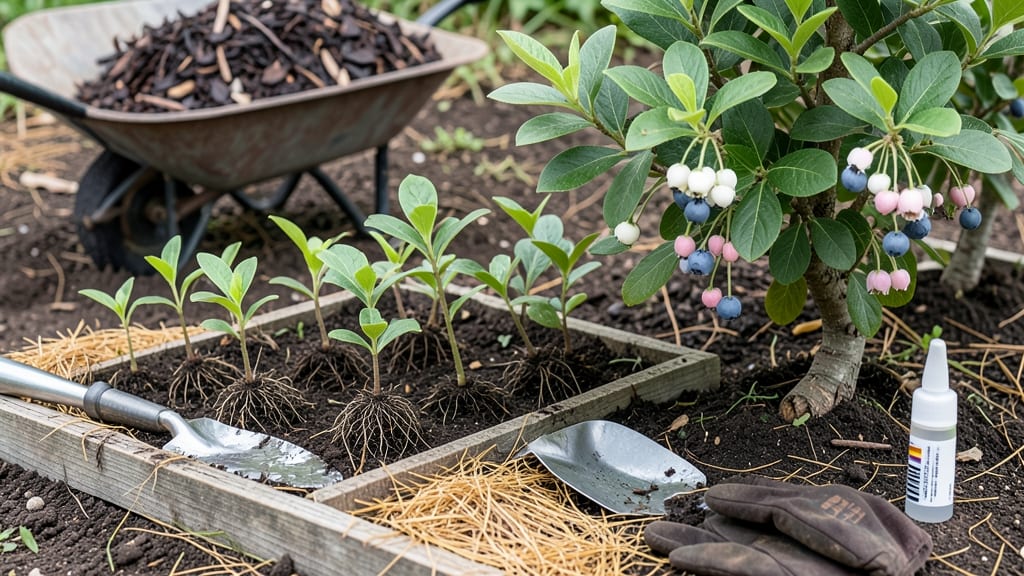
Planting blueberries in Kansas isn't just about grabbing a 🫐 bush and sticking it in the ground—it’s about timing it just right to beat the state’s unpredictable frost and heat swings.
If you miss the sweet spot between late winter and early fall, your bushes might struggle to fruit or even survive. But here’s the good news: with the right chill-hour knowledge and soil prep, you can turn Kansas’s climate into your blueberry-growing advantage.
Most gardeners in USDA Zones 5b-7a swear by fall planting (September–October) because it gives roots time to establish before winter, but spring (February–April) works too—if you’re quick. The key? Choosing varieties that match Kansas’s 400–1,000 chill hours and avoiding late frosts that can damage tender new growth.
I’ll break down the exact windows for your region, plus pro tips to protect your bushes when temperatures flip from freezing to 90°F in a single week.
Whether you’re planting bare-root saplings or container-grown bushes, the prep work makes all the difference. We’re talking acidic soil, proper spacing, and mulching strategies that keep roots happy year-round. Skip these steps, and you’ll end up with stunted bushes—or worse, no berries at all.
Let’s dive into the step-by-step guide that’ll have you harvesting juicy 🫐 by mid-summer, no matter where in Kansas you live.
Ready to turn your backyard into a blueberry powerhouse? I’ll walk you through the best varieties for your zone, how to tell when your soil is really ready, and even how to trick frost-sensitive bushes into thriving. No more guesswork—just a foolproof plan for Kansas growers. Let’s get started.
Kansas blueberry planting timeline: chill hours vs USDA heat zones
Kansas’s climate—spanning USDA Zones 5b-7a—creates a unique challenge for blueberry growers. These shrubs need 400-1,000 chill hours (below 45°F) to set fruit, but Kansas’s variable frost dates (mid-April to mid-October) demand precise timing.
Plant too early, and frost zaps young roots; too late, and heat stress stunts growth. The key? Aligning chill hour requirements with your local heat zone.
Southern Kansas (Zone 7a) enjoys longer growing seasons and milder winters, while Northern Kansas (Zone 5b) faces shorter frost-free periods and harsher cold. This means fall planting works best in the south, while spring planting suits northern regions. Let’s break down the exact windows for your area.
📅 Kansas Blueberry Planting Timeline by Region
| Region | USDA Zone | Best Planting Window | Chill Hours Needed | Frost-Free Days |
|---|---|---|---|---|
| Northern Kansas | 5b | Early Spring (March 15-April 15) | 800-1,000+ | 150-170 days |
| Central Kansas | 6a-6b | Fall (Sept 15-Oct 15) or Spring (April 1-May 1) | 600-800 | 170-190 days |
| Southern Kansas | 7a | Fall (Sept 1-Oct 30) | 400-600 | 190-210 days |
💡 Pro Tip: Check your local frost dates (via Kansas State University’s climate maps)—they can shift 1-2 weeks yearly!
For Northern Kansas (Zone 5b), spring planting (March 15-April 15) is safest.
The soil thaws by then, and bushes establish roots before summer heat. Fall planting risks early frost damage, but if you must plant in fall, choose hardy varieties like 'Bluecrop' and mulch heavily with pine straw to insulate roots.
In Central and Southern Kansas (Zones 6a-7a), fall planting (September-October) is ideal. The cool soil and adequate rainfall help roots settle before winter.
Aim to plant 6-8 weeks before first frost—this gives roots time to establish without summer heat stress. Bare-root plants thrive in fall; container-grown bushes can go in spring or fall.
Regardless of timing, avoid planting during extreme heat (above 85°F) or freezing ground (below 32°F). Kansas’s variable weather means checking weekly forecasts is key. If you’re in Zone 6b or warmer, you can push fall planting to mid-November, but protect young plants with row covers if frost threatens.
One common mistake is assuming all blueberries need 1,000+ chill hours.
Kansas’s Southern varieties (like 'Peach Sorbet') only need 400-600 hours, making them perfect for Zone 7a. Northern varieties (like 'Jersey') require 800+ hours, so match your blueberry type to your chill hours—not just your zone.
Use this two-step rule to time your planting:
- Check chill hours: Use a chill hour calculator (like Purdue University’s tool) to confirm your area’s total.
- Align with frost dates**: Plant when soil temps are 40-50°F and no hard frost is forecast for 2 weeks.
For bare-root plants, soak roots for 4-6 hours before planting to reduce transplant shock.
If you’re new to Kansas gardening, start with container-grown blueberries—they’re easier to transplant and let you adjust timing. Place pots in full sun and use acidic potting mix (pH 4.5-5.5). Once established, you’ll see faster fruiting and higher yields.
Remember: Blueberries are long-term investments. A well-planted bush in Kansas can produce for
Step-by-step blueberry planting guide for Kansas gardens
Now that you’ve picked the right blueberry varieties for Kansas’s USDA Zones 5-7, let’s dive into the hands-on steps to plant them successfully. Whether you’re planting in fall or spring, these guidelines will help your bushes thrive for years.
The key? Acidic soil, proper spacing, and timing your watering just right.
First, test your soil’s pH level—blueberries demand acidic soil (pH 4.5-5.5). If your soil is too alkaline, amend it with peat moss or sulfur 2-3 months before planting.
This step is non-negotiable, as alkaline soil will stunt growth and reduce fruiting. For a quick fix, mix in pine needles or composted leaves into the planting hole.
🌱 Step-by-Step Planting Checklist
- 🔍 Test soil pH (aim for 4.5-5.5)
- 🪴 Choose bare-root or container-grown plants (fall) or bare-root only (spring)
- 📏 Dig a hole 2x wider than the root ball
- 💧 Water the hole deeply before planting
- ☀️ Plant in full sun (6+ hours daily)
- 🌿 Mulch with pine needles (3-4 inches deep)
- 💧 Water deeply weekly for the first month
For fall planting (ideal in Kansas), choose bare-root plants and plant them between September and October, giving roots time to establish before winter. Dig a hole twice as wide as the root ball but only as deep—planting too deep can suffocate the roots.
Gently spread the roots outward and backfill with soil, tamping lightly to remove air pockets. Water thoroughly to settle the soil.
If you’re planting in spring (late March or April), avoid waiting until after the last frost—blueberries hate soggy roots. Instead, plant as soon as the ground is workable. Container-grown plants are safer for spring planting since their roots won’t dry out as quickly.
Space bushes 4-6 feet apart for standard varieties or 3-4 feet for dwarf types to allow airflow and easy harvesting.
After planting, mulch heavily with pine needles or peat moss (avoid wood chips—they raise pH over time). This mimics their natural forest-floor habitat and keeps roots cool.
Water deeply once a week for the first month, then taper to every 2-3 days during dry spells. Morning watering is best to prevent fungal diseases like botrytis, which thrives in damp foliage.
Pro tip: Fertilize lightly in the first spring after planting with a balanced acid-loving fertilizer (10-10-10). Over-fertilizing can burn tender roots. In subsequent years, feed again in early spring and after harvest.
With these steps, your Kansas blueberries will reward you with juicy berries in 2-3 years—not the 5-7 years some varieties take!