
Plants
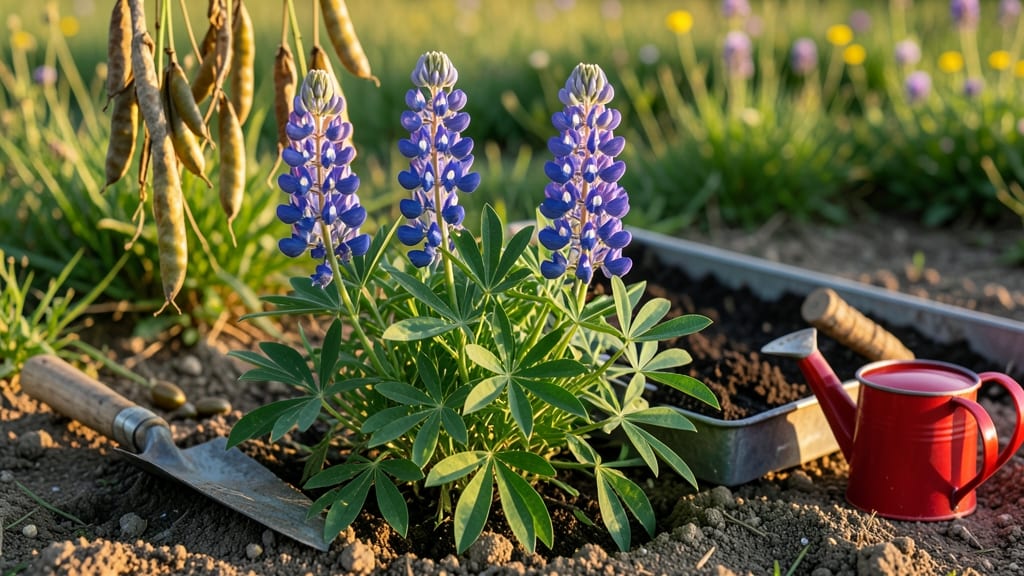
If you’ve ever dreamed of waking up to a sea of blue blanketing Austin’s roadsides, timing is everything—because planting bluebonnet seeds too early or late can mean missing out on that iconic Texas Hill Country spectacle.
The perfect window for sowing these delicate 🌸 flowers isn’t just about months—it’s about Austin’s unique microclimate, where urban heat islands and rural chill zones can shift ideal dates by weeks.
Whether you’re a first-time gardener or a seasoned green thumb, nailing the fall planting window (late September to October) is the game-changer between a sparse patch and a vibrant carpet of blooms.
I’ve tested the best methods for Austin’s USDA Zone 8b, from soil prep to frost timing, so you don’t have to guess. Let’s break down the exact steps to ensure your bluebonnets thrive—and why waiting until spring is a common (but costly) mistake.
Ready to transform your landscape? Here’s how to set yours up for success, even if you’ve struggled before.
The exact fall planting window for Austin bluebonnets
Bluebonnets (Lupinus texensis) thrive in Austin’s USDA Zone 8b, but their fall planting window is narrow—miss it, and you risk sparse blooms or no flowers at all.
The ideal time to plant is between late September and mid-November, when soil temperatures drop to 40–60°F but before the first hard frost (December 15). This timing ensures seeds germinate in cool weather, establish roots, and survive Austin’s winter chill.
Austin’s microclimates complicate timing. Urban areas like Downtown Austin can be 5–10°F warmer than rural spots like Georgetown or Round Rock, delaying frost. Adjust your window: plant in early October for urban zones and late September for cooler rural areas.
Always check the National Weather Service for 10-day forecasts before sowing.
Soil temperature is critical. Use a soil thermometer to confirm 40–60°F at a 2-inch depth. If temps drop below 40°F, seeds may fail to germinate.
In warmer-than-average years (like 2023), delay planting until mid-October to avoid premature sprouting. Pro tip: Morning soil temps are more reliable than afternoon readings.
Bluebonnets are winter annuals, meaning they germinate in fall, grow through winter, and bloom in spring (March–May). Planting too early (August) risks premature germination and weak seedlings, while planting too late (December) may leave seeds exposed to frost damage.
Aim for 6–8 weeks before the first frost—this gives roots time to anchor before winter dormancy.
Here’s how Austin’s month-by-month window breaks down for reliable blooms:
| Month | Soil Temp (°F) | Planting Window | Notes |
|---|---|---|---|
| Late September | 60–70°F | ✅ Ideal for rural areas | Best for cooler microclimates; avoid if soil >70°F |
| October | 50–60°F | ✅ Perfect for Austin | Optimal germination temps; urban areas can extend to mid-October |
| November | 40–50°F | ⚠️ Risky but possible | Only if frost-free; prioritize urban areas with delayed frost |
| December | <40°F | ❌ Avoid | Seeds won’t germinate; wait until next fall |
For nearby cities, adjust your timing slightly:
- Round Rock/Georgetown: Plant 1–2 weeks earlier (late September) due to cooler nights.
- San Marcos: Follow Austin’s schedule but monitor elevated areas (frost risk increases).
- Dripping Springs: Extend window to mid-November—this region often sees later frosts.
Pro Austin gardeners swear by late October as the sweet spot—cool enough for germination but warm enough to avoid soil compaction from heavy rains. If you’re unsure, sow a test batch in early October and monitor for sprouts. Bluebonnets germinate slowly (2–4 weeks), so patience is key.
Remember: Bluebonnets self-seed aggressively, so a single successful planting can reward you with wildflower displays for years. But to start strong, stick to the fall window—spring plantings rarely produce reliable blooms.
Once your seeds are in the ground, minimal care is needed until spring, when the iconic blue blooms will thank you.
🌸
The exact fall planting window for Austin bluebonnets
Bluebonnets thrive in Austin’s USDA Zone 8b climate, but timing is everything. The ideal window for planting seeds is between late September and mid-October, when soil temperatures drop to 40–60°F.
This cool period mimics their natural dormancy cycle, ensuring strong germination. Planting too early (before September) risks heat stress, while waiting past November may expose seeds to early frost.
Austin’s microclimates—especially urban vs. rural areas—can shift this window by 1–2 weeks. For example, Round Rock’s slightly cooler nights may extend your planting window into early November, while downtown Austin’s urban heat island effect might shorten it.
Always check your local first frost date (typically December 15) as a safety net.
Here’s a quick reference for Austin’s planting timeline:
| Month | Soil Temp (°F) | Planting Window | Notes |
|---|---|---|---|
| Late August | 70–80°F | Too early (risk of heat stress) | Avoid unless using shade cloth |
| September | 60–70°F | Ideal (best germination) | Scatter seeds before rains begin |
| October | 50–60°F | Optimal (cool soils) | Best for rural areas |
| November | 40–50°F | Late window (urban areas only) | Cover seeds with mulch |
For maximum success, aim to plant when daytime highs are consistently below 80°F and nights dip into the 50s. This aligns with Austin’s average rainfall patterns, too—seeds sown in early October benefit from natural moisture without becoming waterlogged.
Pro tip: Scatter seeds directly onto prepared soil; they need light to germinate, so avoid burying them.
If you’re in Georgetown or the Hill Country, your window may stretch into early November due to cooler temperatures. However, urban Austin gardeners should plant by mid-October to avoid heat reflections from buildings. Always test your soil’s moisture level—bluebonnets hate soggy conditions, even in fall.
Remember, bluebonnets are perennials that self-seed prolifically. Once established, they’ll return year after year, but first-year blooms depend entirely on your fall planting precision. Mark your calendar for September 20–October 15—this is your golden window for Austin’s most iconic wildflowers.