
Plants
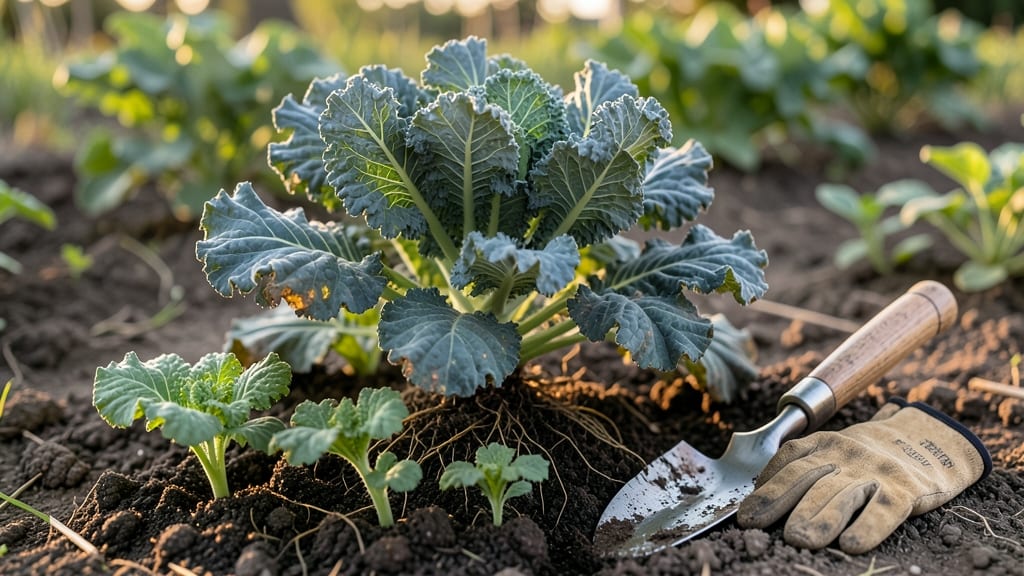
Planting brassicas in Wisconsin requires precision—get the timing wrong, and you might lose your entire crop to frost or pests. The key is knowing when to start seeds indoors or set out transplants, so your cabbage, broccoli, and kale thrive before winter arrives.
With USDA Zones 3-5 across the state, your planting window depends on whether you're in the colder northern regions or milder southern areas. I’ll break down the exact dates for both spring and fall planting, so you can avoid common mistakes and extend your harvest season.
Whether you're a seasoned gardener or just starting, these strategies will help you grow hardier varieties like kale and cabbage that can withstand Wisconsin’s early frosts. Let’s dive into the best times to plant and keep your garden productive all season long.
Ready to maximize your brassica harvest? Discover how to align your planting schedule with Wisconsin’s climate for a bountiful garden—no guesswork required.
Wisconsin brassica planting calendar by hardiness zone (exact dates for success)
Wisconsin’s USDA hardiness zones 3a, 3b, and 4a create unique challenges for growing brassicas like cabbage, broccoli, and kale. The key is planting at the right time to avoid late spring frosts or early fall freezes.
My garden in zone 4a taught me that timing is everything—miss the window, and you’ll end up with stunted plants or bitter harvests.
Brassicas thrive when soil temperatures reach 40°F (4°C), but they can handle light frosts. In Wisconsin, this typically means starting indoor seedlings 6-8 weeks before your last expected frost date.
For most of the state, that’s mid-March to early April for transplanting outdoors. However, direct sowing can begin as early as late April for frost-hardy varieties like kale.
Here’s the breakdown you need for spring and fall planting in Wisconsin’s zones, including exact dates and temperature thresholds to ensure success.
| Zone | Last Frost Date | Start Indoors | Transplant Outdoors | Direct Sow | Fall Planting Window |
|---|---|---|---|---|---|
| 3a | May 10-15 | March 15-April 1 | April 20-May 5 | May 1-15 (cold-hardy) | July 15-August 15 |
| 3b | May 1-5 | March 20-April 5 | April 10-April 25 | April 15-May 1 | July 1-August 10 |
| 4a | April 25-May 10 | March 25-April 10 | April 5-April 20 | April 1-May 15 | June 20-July 30 |
🌱 Note: Adjust dates 1-2 weeks earlier for southern Wisconsin or later for northern areas.
For spring planting, focus on transplanting seedlings after the last frost date. In my zone 4a garden, I always wait until mid-April to avoid frost damage. Use row covers if nighttime temperatures dip below 45°F (7°C) to protect young plants.
For direct sowing, plant cold-hardy varieties like kale or collards as early as late April, while broccoli and cabbage prefer warmer soil.
Fall planting is where Wisconsin gardeners can extend harvests into December. Start 8-10 weeks before your first frost date (typically mid-August for zone 4a) for a late-season crop.
I’ve had success with ‘January King’ cabbage and ‘Winterbor’ kale, which can withstand light frosts. Use mulch or row covers to insulate plants and prevent bolting.
Pro tip: Check the Wisconsin State Climatology Office for your local frost dates each year—they can vary by 1-2 weeks from the averages. I also set reminders for soil temperature checks (use a soil thermometer) to ensure brassicas get off to the right start.
One common mistake I see is planting broccoli too late for a fall harvest. Broccoli needs 75-90 days to mature, so if you’re in zone 3a, your last planting window is mid-July. For cabbage, which takes 60-80 days, you can push it to early August in warmer zones.
Remember, succession planting is your friend in Wisconsin. Instead of one big planting, stagger seedlings every 2 weeks from spring through early summer. This ensures a continuous harvest and reduces the risk of losing your entire crop to pests or weather.
Finally, always harden off seedlings for 7-10 days before transplanting. My first year, I skipped this step and lost 30% of my cabbage seedlings to shock. Place them outdoors in a shady, sheltered spot during the day and bring them in at night to acclimate.
Top 5 frost-resistant brassicas for Wisconsin gardens (and how to extend their season)
Wisconsin’s chilly climate demands cold-hardy brassicas that thrive in late fall and early spring. These 5 frost-resistant varieties will reward you with harvests even when temperatures dip below freezing.
My top picks include ‘Winterbor’ kale, which stays sweet until December, and ‘January King’ cabbage, a heavyweight that stores well through winter.
For early spring planting, ‘Mammoth Melting’ sugar snap peas (technically a brassica relative) and ‘Red Russian’ kale are my go-tos—they handle light frosts like pros. If you’re aiming for summer harvests, ‘Waltham 29’ broccoli matures quickly but still tolerates 30°F nights with row covers.
🌱
To push your harvests into December, start seeds indoors in March for transplanting by mid-May. For fall crops, direct-sow in early August—these plants love the cooler weather and will keep producing until hard frosts.
I’ve even had ‘Winterbor’ kale survive under heavy snow with just a light mulch layer!
Succession planting is key: Sow every 2 weeks from May to July for a continuous supply. For late-season protection, wrap plants in frost cloth or build a mini cold frame with clear plastic bottles. This trick adds 10-14 days to your harvest window—game-changer for Wisconsin gardens!
Don’t overlook soil prep: Brassicas crave nitrogen-rich soil. Amend beds with compost or aged manure before planting, and side-dress with fish emulsion when seedlings appear. My January King cabbages head up 30% faster when given this extra boost.
🌡️