
Plants
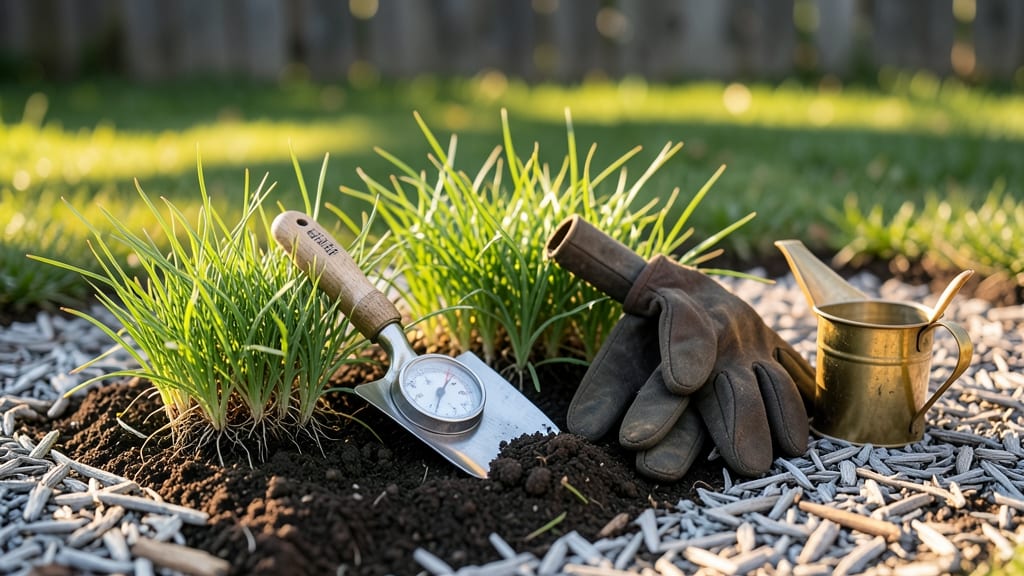
Planting buffalo grass at the wrong time in Kansas can mean shallow roots, weak growth, and wasted effort—but timing it perfectly ensures a lush, drought-resistant lawn that thrives year after year.
With Kansas' 5b-6b climate, the best window to plant this hardy grass is late summer to early fall, when soil stays warm and rainfall supports germination.
Why does timing matter so much? Buffalo grass 🌿 establishes deep roots when planted in August or September, giving it a head start before winter dormancy. This avoids the stress of spring planting, where unpredictable rains or early frosts can derail your efforts.
You might wonder if spring planting works—it can, but with higher risks. Spring seedlings struggle in Kansas' hot, dry winds, while fall planting aligns perfectly with nature's rhythm. Let’s break down the science behind these windows and how to prep your soil for maximum success.
From soil temperature checks to watering schedules, I’ll show you exactly how to set up your buffalo grass for a strong start—so you can enjoy a low-maintenance lawn that outlasts droughts and survives Kansas winters with ease.
Best months to plant buffalo grass in Kansas for strong root establishment
Buffalo grass thrives in Kansas because it’s naturally drought-resistant and adapted to USDA zones 5b-6b. But timing your planting is everything—plant too early, and you risk frost damage; too late, and roots won’t establish before winter.
The ideal window is late summer to early fall, specifically August through September, when soil stays warm but nights cool down.
This timing aligns with Kansas’ average last frost date (around April 15) and first frost (around October 15). Planting in August gives seeds 6-8 weeks of warm soil before dormancy, while September planting still allows roots to grow before winter.
For western Kansas, where summers are hotter, late August is critical to avoid heat stress.
If you’re in eastern Kansas, where summers are more humid, early September works best—balancing warmth and moisture. Spring planting (April-May) is riskier because young seedlings can bolt in Kansas’ unpredictable spring rains or struggle with crutchgrass competition.
🌱
| Planting Window | Soil Temp | Rainfall | Root Growth |
|---|---|---|---|
| Late August | 70°F+ | Moderate | Deep, rapid |
| Early September | 65°F+ | Light | Strong before dormancy |
| April-May (Spring) | 55°F+ | Variable | Slow, frost risk |
For drought years, prioritize late August planting—warmer soil speeds germination, and established roots handle Kansas’ erratic rainfall better. Test soil moisture before planting: stick your finger 2 inches deep; if dry, water lightly the day before sowing. Overwatering can drown seeds, while underwatering causes uneven sprouting.
Pro tip: Use a seed-to-soil contact tool (like a rake with fine teeth) to press seeds lightly into soil—this ensures consistent moisture without burying them too deep. Buffalo grass seeds need light to germinate, so avoid covering them with more than 1/4 inch of soil.
If you miss the fall window, early spring (April) is a backup—but only if your soil isn’t waterlogged. In western Kansas, where springs are drier, April planting can work if you irrigate consistently. Just be ready to protect seedlings with frost cloth if late frosts hit.
🌿
One common mistake? Planting in July. While soil is warm, intense heat and low humidity can cause seeds to dry out before germinating. If you plant in July, shade cloth (30-50% coverage) helps retain moisture until roots establish.
For most Kansas gardeners, though, August-September is the gold standard for buffalo grass success.
Finally, consider microclimates: South-facing slopes in Kansas warm up faster, so you can plant 1-2 weeks earlier there. North-facing areas? Wait until mid-September to avoid premature dormancy. Always check your local USDA zone—even within Kansas, zone 5b (northeast) and zone 6b (southwest) have different frost risks.
How Kansas weather affects buffalo grass germination and growth timing
Kansas' variable climate—from hot summers to freezing winters—can make or break your buffalo grass planting success. Understanding how temperature shifts and rainfall patterns impact germination helps you choose the best window for planting.
In eastern Kansas, for example, humidity levels are higher, while western regions face drier conditions that demand extra watering attention.
The key to timing is soil temperature. Buffalo grass seeds need consistent warmth—at least 60°F (15°C)—to sprout reliably.
In Kansas, this typically aligns with late May to early September, but late summer (August-September) is ideal because cooler temps reduce stress on young seedlings before winter dormancy. Frost risks after planting can stunt growth, so avoid planting too close to the first frost date (usually mid-October).
Another critical factor is rainfall timing. Kansas experiences summer droughts, especially in the west, which can dry out seeds before they germinate. If you plant in late summer, you’ll benefit from cooler temps and fall rains that help roots establish deeply before winter.
In contrast, planting in early spring risks drought stress as temperatures rise, leaving seedlings vulnerable.
🌡️ Kansas Weather Thresholds for Buffalo Grass
- Soil Temp: 60°F+ (15°C+) for germination
- Air Temp: Avoid planting when highs >90°F (32°C)
- Rainfall: 1 inch per week for 4 weeks post-planting
- Frost Risk: Plant 6+ weeks before first frost (mid-October)
- Humidity: Eastern KS needs higher moisture; western KS may need irrigation
Regional microclimates in Kansas also play a role. Eastern Kansas (e.g., Topeka, Kansas City) has more consistent rainfall and moderate summers, making late summer planting a safer bet. Meanwhile, western Kansas (e.g., Wichita, Dodge Cityhotter, drier conditions, so irrigation planning is critical.
If you’re in a drought-prone area, consider mulching or covering seeds with straw to retain moisture during germination.
One common mistake is planting too early in spring when soil is still cold or too late in fall when frost threatens. Aim for August 1–September 15 to give seeds time to germinate before winter.
If you miss this window, early spring (April) can work, but supplemental watering will be essential to combat spring droughts.
Finally, monitor local weather forecasts for heatwaves or unexpected rains, which can wash out seeds. Use a soil thermometer to confirm temps before planting—this small step can double your success rate.
With the right timing, your buffalo grass will establish deep roots and outperform traditional lawns in Kansas’ challenging climate. 🌱