
Plants
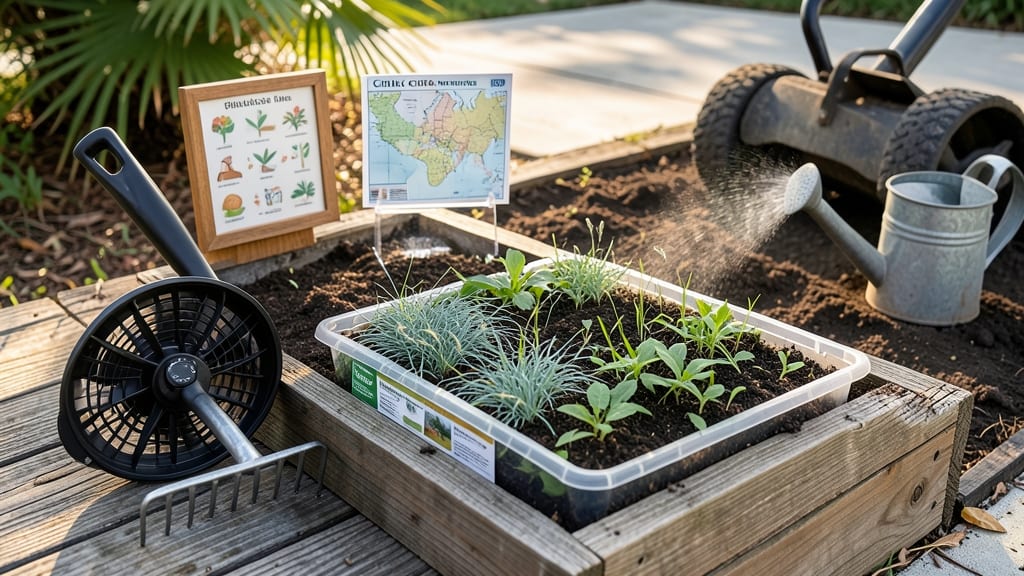
When is the best time to plant grass seed in Florida? August-September isn’t just luck—it’s the secret weapon for deep roots that survive the state’s brutal heat. When you time it right, you skip the summer’s scorching stress and tap into Florida’s natural rainfall patterns, giving your 🌱 grass seed the perfect head start.
Most Florida lawns fail because they’re planted at the wrong time—either too early when heat zaps moisture or too late when cooler temps slow growth. But August-September strikes the balance: soil stays warm enough for germination, while humidity and afternoon showers reduce your watering workload.
This is when Florida’s climate actually works with you, not against you.
I’ve seen firsthand how a properly timed seeding in late summer can mean the difference between patchy, weak grass and a thick, vibrant lawn that outlasts the next heatwave. The key? Understanding Florida’s microclimates—whether you’re in the Panhandle’s cooler zones or South Florida’s steamy humidity—and adjusting your approach accordingly.
Ready to transform your lawn? I’ll walk you through the exact steps—from soil prep to watering schedules—that make August-September the best window for Florida grass seed success. Let’s get started.
Florida’s optimal grass-seeding window: August-September climate breakdown
Florida’s humid subtropical climate means summer heat and heavy rains can sabotage grass seed germination. But August-September offers the perfect balance—cooler soil temps (65–75°F) and natural rainfall that reduce evaporation while avoiding the intense sun of peak summer.
This window aligns with Florida’s monsoon season, where afternoon showers provide consistent moisture without drowning seeds. North Florida (USDA Zones 8a–8b) benefits from milder humidity, while Central/South Florida (Zones 9a–11) sees shorter, less intense dry spells—ideal for seedling establishment.
Here’s why late summer/early fall outperforms spring or winter in Florida:
| Season | Soil Temp (°F) | Rainfall Pattern | Evaporation Risk | Germination Speed |
|---|---|---|---|---|
| Spring (March–May) | 60–80°F | Variable (dry spells common) | High (strong sun) | Moderate (7–14 days) |
| Summer (June–July) | 85–95°F | Heavy but erratic | Very High (heat stress) | Slow (14–21+ days) |
| Fall (August–October) | 65–75°F | Consistent (monsoon season) | Low (cooler temps) | Fast (5–10 days) |
| Winter (November–February) | 55–70°F | Low (dry season) | Moderate (cool but dry) | Slow (10–14 days) |
For North Florida, aim for late August to early September when humidity drops slightly and soil stays moist longer. In Central/South Florida, September is ideal—hurricane season risks decrease after mid-September, and temperatures remain mild.
Pro tip: Check soil temperature with a soil thermometer—keep it between 65–75°F for Bahia grass or St. Augustine. If temps exceed 80°F, delay planting until early fall to avoid seed desiccation.
Florida’s microclimates also play a role. Coastal areas (e.g., Miami) may experience higher humidity and fungal risks, while inland regions (e.g., Orlando) face hotter, drier spells. Adjust watering schedules accordingly—coastal lawns need frequent light watering, while inland lawns benefit from deep, infrequent soaks.
Timing isn’t just about temperature—it’s about avoiding stress. Seedlings planted in August-September develop deep roots before winter’s dry season, making them drought-resistant and heat-tolerant for next summer.
Remember: Florida’s growing season is year-round, but August-September is the sweet spot for germination success. Skip the summer rush and let your lawn establish strong roots naturally—your lush green carpet will thank you.
Florida’s optimal grass-seeding window: August-September climate breakdown
Florida’s humid summers and unpredictable rain make timing critical for grass seed success. While seeding is possible year-round, August-September offers the perfect balance of cooler soil temps and natural rainfall—ideal for deep root growth before winter.
This window avoids summer’s heat stress and late-winter’s drought risks, giving seedlings the best shot at thriving.
Northern Florida’s cooler microclimate (USDA Zones 8a-9a) benefits most from late August planting, while Central and South Florida (Zones 9b-11) can extend seeding into early October. The key is soil temperatures between 65-75°F, which triggers faster germination and stronger root systems before winter slows growth.
🌱 Florida Grass-Seeding Climate Guide
| Month | Soil Temp (°F) | Rainfall (in) | Best For |
|---|---|---|---|
| August | 75-85°F | 5-7 in | Northern FL (cooler zones) |
| September | 70-80°F | 6-8 in | Central/South FL (warmer zones) |
| October | 65-75°F | 4-6 in | Late-season extension |
💡 Pro Tip: Use a soil thermometer to confirm temps—ideal germination happens at 70-75°F.
Florida’s natural rainfall patterns in August-September reduce your watering workload, but early morning irrigation (before 10 AM) prevents fungal growth from humidity. Bahia grass thrives in this window, while St. Augustine and Zoysia benefit from the cooler soil.
Avoid seeding in June-July—intense heat stresses seedlings, and December-January risks winter dormancy before roots establish.
For coastal areas, account for salt spray and high humidity by choosing salt-tolerant varieties like Seashore Paspalum. Inland regions can push seeding into early October if soil stays warm, but monitor hurricane season risks—delay planting if storms are forecasted.
Timing isn’t just about months—it’s about microclimates. A shady backyard in Orlando may need earlier seeding than a sun-drenched lawn in Miami. Use shade cloth tests to gauge sunlight exposure before choosing seed types.
By planting in August-September, you’ll see faster germination, deeper roots, and a lawn that outlasts Florida’s extremes. Skip the guesswork—this is the golden window for stress-free seeding.