
Plants
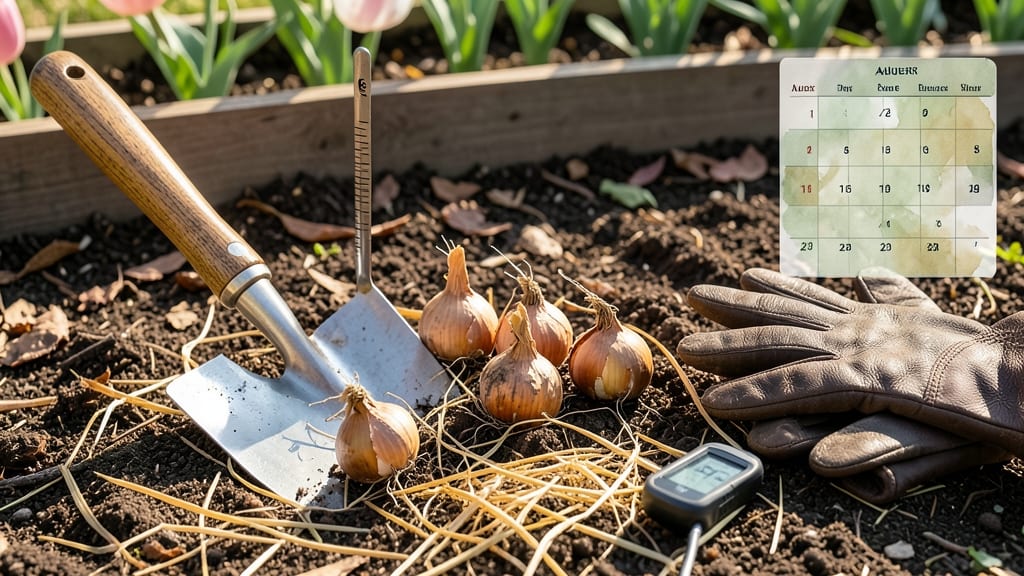
When to plant bulbs in Denver 🌷 for a dazzling spring display hinges on timing—get it right, and you’ll enjoy a burst of color; get it wrong, and you might end up with half-blooming disappointment. The city’s shifting frost dates and microclimates—from urban heat islands to windy plains—can turn planting into a guessing game if you don’t know the local tricks.
Here’s the secret: Denver’s USDA Zone 6a gives you a 6-week window in fall (late September to early November) to plant bulbs before the ground freezes.
But whether you’re in the foothills or downtown, small adjustments—like planting a week earlier in cooler microclimates—can mean the difference between blooms and bare soil.
I’ll walk you through the exact dates, soil prep hacks, and bulb varieties that thrive in Denver’s climate. No more waiting until it’s too late or digging up bulbs because you planted them wrong. Let’s get those 🌷 ready for a show-stopping spring.
Ready to transform your garden? Grab your gloves—we’re making this easy with step-by-step timing that actually works for Denver’s quirks. Your future self (and your neighbors) will thank you.
Denver’s optimal bulb planting calendar by elevation zone
Denver’s 5,280–8,000 ft elevation range creates distinct planting zones, each with unique frost dates. Understanding these zones ensures your tulips, daffodils, and crocuses bloom reliably. The Front Range (5,280–6,500 ft) has the warmest microclimates, while foothills (6,500–8,000 ft) experience earlier frosts.
Always plant 6–8 weeks before the first hard frost—typically late September to early November for most Denver areas.
Use Denver’s average first frost dates as a guide, but check local forecasts. The USDA Zone 6a designation applies to most of Denver, but microclimates (like urban heat islands) can shift frost dates 1–2 weeks earlier or later.
For example, South Denver gardens often stay frost-free 1 week longer than North Denver due to urban heat retention.
Here’s a microclimate-specific planting calendar for Denver’s most popular spring bulbs. Adjust based on your exact elevation and recent weather patterns.
| Elevation Zone | Average First Frost | Ideal Planting Window | Best Bulb Varieties |
|---|---|---|---|
| Front Range (5,280–6,000 ft) | October 20–25 | September 15–October 15 | Tulips, Daffodils, Hyacinths |
| Urban Denver (6,000–6,500 ft) | October 15–20 | September 20–October 10 | Crocuses, Alliums, Snowdrops |
| Foothills (6,500–8,000 ft) | October 10–15 | September 1–October 5 | Siberian Squill, Fritillaria, Late-Blooming Tulips |
🌱 Pro Tip: Plant crocuses and snowdrops in early September—they thrive in cooler soils and often bloom before spring bulbs!
For early spring planting (March), focus on hardy varieties like daffodils and alliums, which tolerate light frosts. However, avoid planting tender tulips or hyacinths until after the last frost date (mid-April), or they’ll rot in cold soil.
Always plant bulbs in well-draining soil—Denver’s clay-heavy soils benefit from amending with compost or sand before planting.
Denver’s urban heat islands can delay frost by 1–2 weeks, so if you’re in a paved or concrete-heavy area, push planting dates 10 days later than the calendar suggests.
Conversely, wind-exposed gardens (like those near the plains) may need earlier planting to establish roots before winter winds dry out the soil.
Test your soil’s drainage and pH before planting. Most bulbs prefer pH 6.0–7.0 and well-draining soil.
If your garden holds water after rain, raise beds or add perlite to improve drainage. Mulch with straw or shredded leaves after planting to insulate bulbs and retain moisture during Denver’s winter temperature swings.
One common mistake Denver gardeners make is planting bulbs too shallow. Aim for depth equal to 2–3x the bulb’s height—so a 2-inch daffodil bulb should go 4–6 inches deep.
This protects them from rodents and temperature fluctuations. If you’re planting in sandy or loose soil, dig holes 1 inch deeper than usual to keep bulbs stable.
Finally, label your bulbs if you plant a mix of varieties. Denver’s late-spring frosts (May) can damage early bloomers like crocuses, while late tulips (like Darwin Hybrids) often bloom after the frost risk has passed. Group similar blooming times together for a staggered, long-lasting display.
With these elevation-specific dates and soil prep tips, your Denver garden will burst with color from early spring crocuses to late-blooming alliums. Next, we’ll dive into microclimate adjustments to fine-tune your planting strategy for urban heat, wind, and foothills challenges.
How Denver’s microclimates affect bulb success (and how to adapt)
Denver’s landscape isn’t one-size-fits-all when it comes to bulbs. The urban heat island effect in downtown areas can push frost dates 2-3 weeks later than the foothills, while high-elevation gardens (6,000+ ft) face earlier freezes.
These microclimates mean your neighbors’ perfect tulip timing might fail in your yard. Understanding these variations lets you adjust planting dates and care routines for reliable blooms every spring.
For example, tulips planted in September in 5,280 ft Denver may bloom beautifully, but the same bulbs in Golden (5,600 ft) could rot if the ground freezes too early.
The key is matching your local frost dates to bulb types—daffodils handle cold better than hyacinths, so they’re safer in higher elevations. Always check the National Weather Service’s Denver forecast for your specific neighborhood in late August to fine-tune your schedule.
Microclimate Adjustments for Denver Bulbs
- Frost Delay: Up to 3 weeks later
- Planting Window: Extend to mid-November
- Soil Tip: Add organic mulch to prevent overheating
- Frost Risk: Earlier freezes (late Sept–Oct)
- Planting Window: Finish by October 15
- Bulb Choice: Prioritize crocuses and Siberian squill
- Wind Protection: Plant near fences or hedges
- Watering: Deep soak before storms to prevent drying
- Avoid: Delicate grape hyacinths (they flop)
- Short Season: Plant early September
- Bulb Depth: 8–10 inches deep for insulation
- Best Picks: Alliums and Fritillaria
Soil prep is another microclimate battleground. Urban gardens often have compacted, alkaline soil (pH 7.5–8.0), while foothill gardens may be rocky or acidic. Test your soil’s pH—tulips and daffodils thrive in slightly acidic to neutral soil (6.0–7.0).
Amend urban soil with compost and sulfur to lower pH, while foothill gardens might need gypsum to break up clay. A 2-inch layer of mulch (straw or shredded leaves) after planting insulates roots and retains moisture, critical for windy or high-elevation sites.
Mulching isn’t just about insulation—it’s also a weed barrier and moisture regulator. In dry urban areas, mulch helps bulbs survive summer drought, while in moist foothills, it prevents rot from excess winter rain.
Use straw or pine needles for their airy texture, which mimics Denver’s natural forest floors. Avoid thick layers of grass clippings (they mat down and suffocate bulbs) or fresh wood chips (they rob nitrogen as they decompose).
Finally, bulb selection should match your microclimate. Daffodils and alliums are cold-hardy and drought-tolerant, making them ideal for foothills and windy plains. Tulips and hyacinths need sheltered, well-drained spots—perfect for urban gardens with their warmer microclimates.
For high-elevation areas, Siberian squill and crocuses bloom early before frosts return. Always buy locally adapted bulbs from Denver nurseries like Planting Fields or The Gardens at Elitches—they’ve been tested for our climate quirks.
Adjusting for Denver’s microclimates isn’t about guesswork—it’s about observing your yard’s unique conditions and matching bulbs to those needs. Start with a small test patch of different varieties in various spots, and next year, you’ll have a personalized planting calendar that beats Denver’s weather every time. 🌱