
Plants
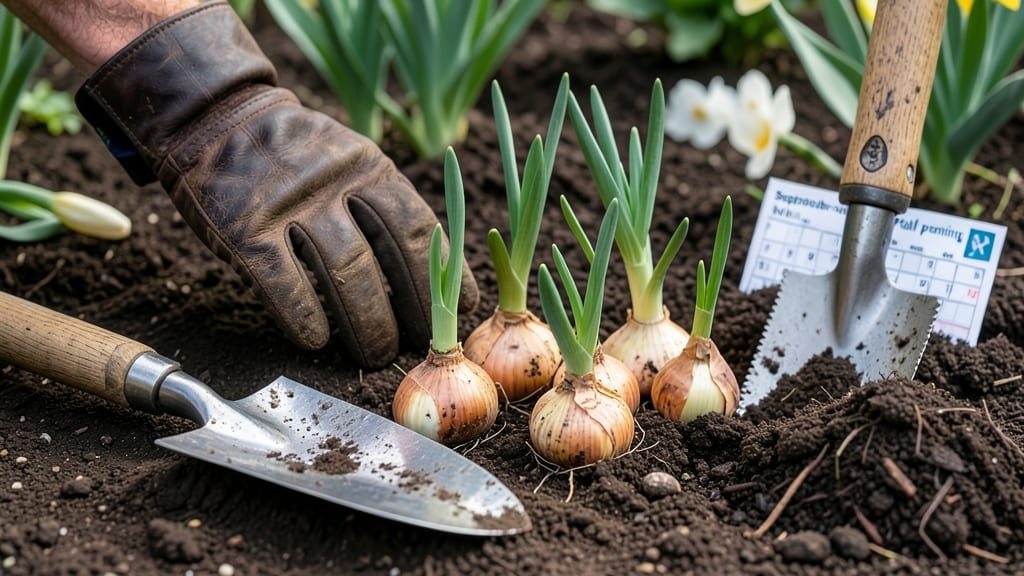
Planting bulbs in New York at the wrong time can mean the difference between a showstopping spring garden and a total flop—especially when frost sneaks in.
The key isn’t just picking the right month, but understanding how USDA Zones 6 and 7 play with your local frost dates and soil conditions.
Most gardeners know fall is the time for crocuses and hyacinths, but did you know planting them too late can leave them vulnerable? Or that spring bulbs like tulips need to go in the ground as soon as the soil is workable—not when the calendar says March?
I’ll break down the exact windows for your region, so you can avoid the most common mistakes.
Whether you’re working with a small urban container or a backyard bed, timing matters just as much as soil prep. We’ll cover how to tell when your soil is ready, how deep to plant, and even how to extend your bloom season with a few smart tricks.
Ready to get those 🌱 bulbs in the ground right?
Let’s dive into the perfect planting schedule for New York’s unpredictable climate—so you can enjoy those first spring blooms without the guesswork.
NY planting calendar: exact months for spring vs. fall bulbs by Zone 6/7
New York’s USDA Zones 6 and 7 create a tight window for planting bulbs, where timing can mean the difference between vibrant blooms and wasted effort. Fall-planted bulbs (like tulips and crocuses) need 6-8 weeks before the ground freezes, while spring-planted varieties (like daffodils) must go in as soon as soil is workable.
Upstate areas (Zone 6) have earlier frost dates than NYC (Zone 7), so adjust accordingly.
For Zone 6 (upstate NY), aim for mid-October to early November for fall planting—this gives bulbs time to root before winter. In Zone 7 (NYC and Long Island), you’ve got until late November due to milder winters.
Spring planting starts in early March once soil temps hit 40°F, but don’t wait past mid-April or risk late frosts.
Here’s the exact breakdown for your region, including soil temperature thresholds and local frost dates that determine success. Miss these windows, and your bulbs may rot, sprout too early, or fail to bloom entirely.
| Bulb Type | Planting Window (Zone 6) | Planting Window (Zone 7) | Soil Temp Threshold | Key Tip |
|---|---|---|---|---|
| Tulips | Oct 15–Nov 1 | Oct 20–Nov 15 | 45–55°F | Plant pointy end up; mulch after frost. |
| Daffodils | Oct 1–Nov 10 | Oct 10–Dec 1 | 50–60°F | Deer-resistant; ideal for woodland gardens. |
| Hyacinths | Oct 1–Nov 1 | Oct 10–Nov 15 | 45–50°F | Plant in well-drained soil; avoid soggy spots. |
| Crocuses | Sep 15–Nov 1 | Sep 20–Nov 10 | 40–50°F | Early bloomers; great for rock gardens. |
| Alliums | Oct 1–Nov 15 | Oct 10–Dec 1 | 50–60°F | Drought-tolerant; full sun lovers. |
🌱 Pro Tip: Use a soil thermometer to confirm temps before planting!
Spring planting in NY kicks off in early March for hardy bulbs like daffodils, which can handle light frosts. Tulips and hyacinths, however, need to wait until mid-April when soil is consistently above 50°F.
In Zone 6, upstate gardeners should rush to plant by March 15, while Zone 7 gardeners in NYC have until April 1.
Regional variations matter: Upstate NY’s earlier frost dates (often October 20) mean you must plant fall bulbs by mid-October, whereas NYC’s later frost (November 10) gives you extra time.
Check your local Cooperative Extension Service for precise frost dates—this can shift your window by 2-3 weeks.
For container gardening (common in NYC), plant bulbs in late September to October and keep pots in a garage or cold frame over winter. This mimics the ground’s natural temperature fluctuations and prevents rot. Just ensure pots have drainage holes—waterlogged bulbs won’t survive NY’s wet springs.
5 Critical signs your NY bulbs are ready to plant (avoid common mistakes)
Timing is everything when planting bulbs in New York’s USDA Zones 6 and 7. The difference between a thriving garden and wasted effort often comes down to soil temperature, bulb quality, and weather conditions. Here’s how to spot the perfect planting window before you dig in.
First, check the soil temperature. Bulbs like tulips and daffodils need soil between 40°F and 50°F for root growth. Use a soil thermometer or wait until the ground feels cool but workable—usually 4-6 weeks before the first frost.
In NYC, this typically lands in late October, while upstate areas may have a 2-week window earlier.
Next, inspect your bulbs for freshness. Healthy bulbs should feel firm and heavy for their size, with no mold or soft spots. If the neck is already sprouting, plant them immediately—they’re eager to grow! Store bulbs in a cool, dark place until then to prevent premature sprouting.
⚠️ Numbered Highlights: 5 Signs Your Bulbs Are Planting-Ready
- Soil temp: 40°F–50°F (use thermometer)
- Bulbs: Firm, no mold, no sprouts (unless ready)
- Weather: No rain forecast for 3–5 days
- Moisture: Well-drained soil (no standing water)
- Time: 6–8 weeks before first frost (NY: late Oct)
Don’t ignore the weather forecast. Planting during a rainy spell can lead to waterlogged soil, which rots bulbs before they even sprout. Aim for a dry week with no hard frost predicted.
In Zone 7 (e.g., Long Island), you might squeeze in a late-November planting, but Zone 6 areas (like Albany) should finish by mid-October.
One of the biggest mistakes NY gardeners make is planting after the first frost. While bulbs can handle light frost, deep-freezing soil halts root growth. If you’re unsure, dig a 6-inch hole—if the soil is rock-hard, wait.
Another pitfall? Skipping soil prep. Amend clay-heavy soil with compost or sand to improve drainage, or bulbs will suffocate.
Finally, trust your local frost dates. The NY State Climatology Office offers region-specific averages, but your garden’s microclimate matters too. If your yard stays warmer (e.g., near a south-facing wall), you might plant 1–2 weeks later.
For container gardening, use well-draining pots and plant bulbs shallower than in-ground to account for frost heave.
By watching for these 5 key signs, you’ll avoid the top 3 NY bulb-planting mistakes: planting too late, ignoring soil conditions, and choosing low-quality bulbs. Now grab your gloves—your spring blooms are waiting!