
Plants
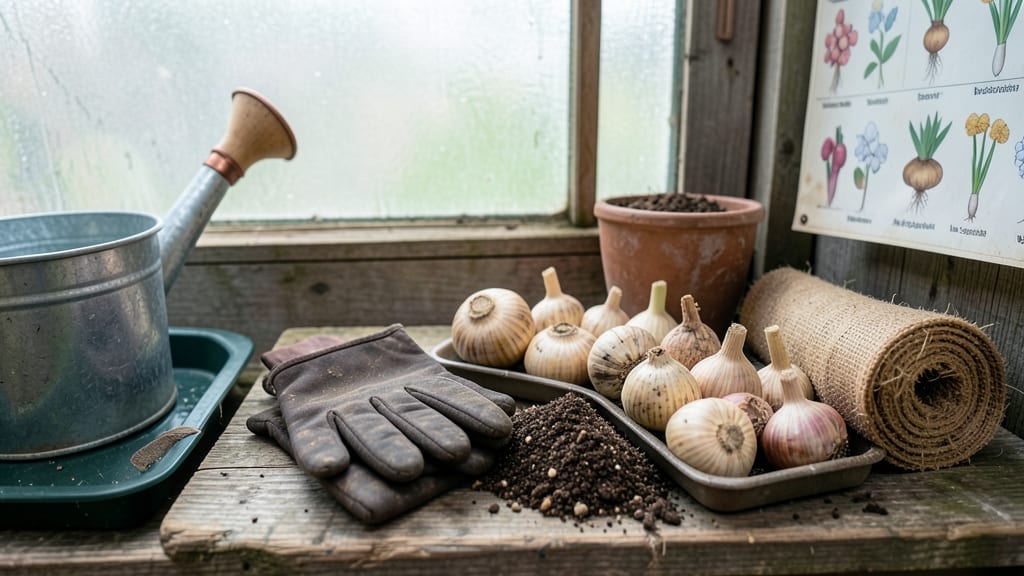
Planting your spring flowering bulbs 🌷 in Phoenix isn’t just about timing—it’s about outsmarting the desert’s brutal heat and unpredictable microclimates. Unlike colder zones, Phoenix’s frost-free year-round climate means traditional fall planting rules don’t apply, and summer heat can fry bulbs before they even sprout.
Most gardeners assume bulbs need a cold snap to bloom, but in Zone 9b, the real challenge is avoiding summer stress. The key?
Planting in October through December gives bulbs time to root before the hottest months, while heat-resistant varieties like agapanthus or dahlias can handle Phoenix’s extremes with the right care.
I’ve tested what works (and what doesn’t) in this climate, and the results are game-changing. You’ll learn exactly when to plant for zero-frost survival, how to prep soil for desert conditions, and which bulbs actually thrive here—no guesswork, just proven strategies for vibrant spring blooms.
Skip the trial-and-error: Let’s turn your Phoenix garden into a year-round bulb oasis with minimal fuss. Ready to grow bulbs that defy the heat?
Phoenix heat-Zone planting calendar: exact months for bulbs by type
Phoenix’s USDA Zone 10b/11a climate means traditional frost-based planting rules don’t apply—but that doesn’t mean bulbs can’t thrive here. The key is understanding heat dormancy and seasonal rainfall patterns. Unlike colder climates, Phoenix bulbs need to establish roots before summer’s extreme heat, not before winter frost.
Most spring-blooming bulbs (like tulips and daffodils) should go in the ground October through December to avoid summer stress. Fall-planted bulbs (dahlias, gladiolas) have a wider window—September to November—while heat-resistant varieties (agapanthus, crinum lilies) can handle planting year-round with proper care.
Here’s the breakdown you need to avoid common mistakes like overwatering in summer or planting too late for root establishment:
Notice how summer planting is only recommended for heat-resistant varieties like rain lilies? That’s because Phoenix’s 110°F+ summers can bake traditional bulbs into dormancy too quickly. The monsoon season (July–September) is actually the safest time for summer bulbs—they get a natural watering cycle.
For spring blooms, aim to plant by December 1st to give roots time to establish before April’s heat surge. If you miss this window, consider container gardening—it lets you move bulbs to shade during peak summer.
One critical Phoenix-specific tip: Skip the fall fertilizer rush. Bulbs here don’t need the same winter boost—they’ll just burn in the heat. Instead, fertilize lightly in January when growth resumes.
Pro tip: Use a moisture meter to check soil before planting. Phoenix’s clay-heavy soil can stay damp too long, leading to rot. Aim for 60% moisture retention at planting depth.
Finally, shade cloth (30-50%) is your best friend for summer protection. Stake it 6 inches above bulbs to avoid direct contact, which can cause mold. This simple hack extends bloom seasons by 3-4 weeks in extreme heat.
The Phoenix bulb survival hack: how to trick heat and frost for longer blooms
Phoenix’s extreme heat and occasional winter freezes can turn bulb planting into a high-risk game—but these proven survival hacks let you cheat the climate. The secret? Mimicking natural dormancy cycles with strategic mulching, pre-cooling treatments, and shade protection during critical growth stages.
Most bulbs need 6-8 weeks of cool soil temps (50-60°F) to trigger blooming, but Phoenix rarely drops below 65°F. Here’s how to trick them into thinking winter’s coming: Store bulbs in your fridge’s crisp drawer for 6-8 weeks before planting in October-November.
For fall-planted bulbs like dahlias or gladiolas, use 3-4 inches of straw mulch after planting to insulate roots from winter’s rare freezes. In January-February, when temps dip below 35°F, add a lightweight frost blanket—but remove it by 10 AM to prevent overheating.
Heat-loving bulbs like agapanthus or rain lilies need afternoon shade during June-July. Install 50% shade cloth over planting beds and water deeply every 10 days to encourage deep root growth that survives drought.
Your bulbs’ foliage phase (after blooming) is when they replenish energy for next year. Let leaves yellow naturally before cutting them back—this ensures bulbs store enough nutrients to rebloom in Phoenix’s mild winters.
For zero-frost survival, plant heat-resistant varieties like crinum lilies in September—they bloom in November-December before summer stress hits. Pair them with drought-tolerant mulch (like gravel or bark chips) to reflect heat away from roots.