
Plants
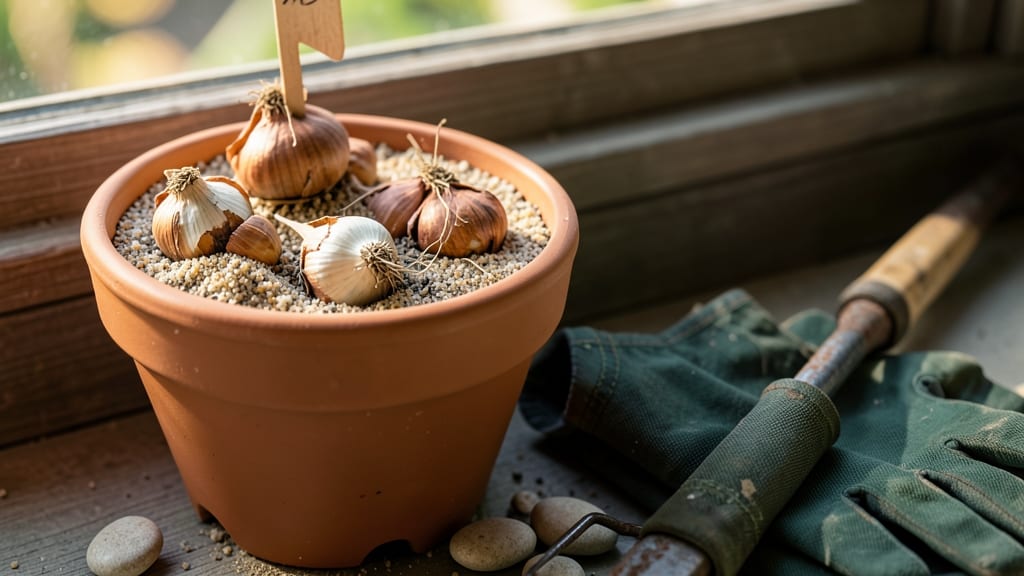
Planting bulbs in pots at the wrong time can mean sad, stunted blooms—or worse, frozen roots—but getting the timing right unlocks vibrant flowers that thrive even in containers. The key is understanding soil temperature cues, not just calendar dates, especially in USDA Zone 6a where frost sneaks in early.
Most gardeners know fall is prime for bulbs like tulips and daffodils, but pots add a twist—drainage holes and shallower soil mean roots need extra protection. I’ve learned that planting 4-6 weeks before your first frost (around September-November) gives bulbs time to root before winter sets in.
Spring planters? No problem. Bulbs like hyacinths can go in pots as early as March-April, but wait until soil warms to 50°F+ to avoid soggy roots. The trick is matching your climate to the bulb’s natural rhythm.
Whether you’re forcing blooms indoors or extending your patio season, I’ll show you exactly when to plant—and how to keep those roots happy until showtime. Let’s make your pots pop!
Best soil temperature ranges for planting bulbs in pots
Getting the soil temperature right is the secret to thriving potted bulbs. Unlike in-ground planting, containers heat up faster and cool down quicker, making timing critical. Aim for soil temperatures between 50°F–65°F—this range triggers root growth without shocking delicate bulb roots.
Cold soil (below 50°F) can stunt growth, while soil above 65°F may cause premature sprouting or even rot.
Most gardeners plant bulbs in fall or early spring, but containers need extra attention. In fall, wait until 4–6 weeks before your first frost—this gives roots time to establish before winter.
For spring planting, start when soil warms to 50°F consistently, usually 4–6 weeks before your last frost date. Use a soil thermometer to check—it’s your best friend for container gardening!
🌱
| Season | Ideal Soil Temp | Planting Window | Container Tip |
|---|---|---|---|
| Fall | 50°F–60°F | 4–6 weeks before frost | Use black pots to absorb heat |
| Spring | 55°F–65°F | 4–6 weeks before last frost | Pre-warm pots with bottom heat mats |
| Forcing Indoors | 60°F–65°F | 6–8 weeks before desired bloom | Use cool basement for chilling |
If your soil temperature is too cold, warm it up with a few tricks. Place pots on a heat mat or nestle them in straw or leaves to insulate.
For spring planting, use dark-colored containers—they absorb sunlight faster. Avoid planting in direct sunlight right after transplanting, as this can overheat the soil and stress bulbs.
Pro tip: Test your potting mix before planting. If it feels cool to the touch (like a refrigerator), wait a few days. If it’s warm (like a bath), it’s ready. Bulbs like daffodils and tulips are more forgiving, but hyacinths and crocuses need precise timing—so check their specific needs!
One common mistake? Planting bulbs in too-large pots. Oversized containers hold cold soil longer, delaying root growth. Stick to pots that are 1–2 inches wider than the bulb—this keeps the soil warm and cozy.
For example, a 6-inch pot is perfect for tulip bulbs, while 8-inch pots work for daffodils.
💧
Don’t forget about drainage—it’s non-negotiable for potted bulbs. Poor drainage leads to rotten roots, especially in cooler soil. Use a mix of potting soil, perlite, and compost (60:20:20 ratio) to ensure airflow.
After planting, give the soil a light watering to settle it, but avoid soggy conditions. Overwatering in cold soil can suffocate roots faster than frost!
For USDA Zone 6a gardeners (like me!), aim to plant fall bulbs by mid-October and spring bulbs by mid-March. But if you’re in a warmer zone (Zone 8+), you can plant as late as December for fall blooms.
Always adjust for your local microclimate—a shady patio stays cooler than a sunny balcony, so plant accordingly.
Finally, overwintering potted bulbs requires extra care. Move containers to a garage or shed where temps stay 35°F–45°F—this mimics natural dormancy. Water sparingly (just enough to keep soil slightly moist) and avoid fertilizing until spring.
With the right soil temperature and timing, your potted bulbs will reward you with bold, early blooms year after year!
How to time bulb planting by season (with frost-proofing tips)
Timing is everything when planting bulbs in pots—especially in USDA Zone 6a, where frost can sneak up fast. Unlike in-ground planting, containers dry out quicker and lose heat faster, so I’ve learned to adjust my schedule to protect roots while giving bulbs time to establish.
The key is planting 4-6 weeks before your first frost (typically September-November for fall) or waiting until soil warms to 50°F+ in spring.
Fall planting lets bulbs root before winter, but pots need extra insulation. I wrap mine in burlap or bubble wrap and place them in sheltered spots like garages or under eaves. For spring planters, aim for March-April—just as foliage starts to emerge—so roots grow before summer heat hits.
Here’s the secret: Soil temperature matters more than air temperature. Use a soil thermometer to check—ideal ranges are 50°F–65°F. If your soil runs cooler, wait a few weeks or plant in a warmer microclimate, like near a south-facing wall.
Potted bulbs can’t handle soggy soil, so I always use containers with drainage holes and a mix of potting soil and perlite to keep roots happy.
- When: 4–6 weeks before first frost (e.g., October 1–15 in Zone 6a)
- Why: Bulbs root in cool soil, storing energy for spring blooms
- Tip: Use larger pots (10"+ deep) for better insulation
- When: After soil reaches 50°F+ (test with thermometer)
- Why: Avoids soggy soil and rot in cold, wet spring
- Tip: Choose early bloomers like crocus for faster color
- Insulate: Wrap pots in burlap or bubble wrap before frost
- Move: Place in garages or under eaves for extra protection
- Avoid: Overwatering—pots freeze faster when soggy
- When: Plant in October–November for Christmas blooms
- How: Keep pots in dark, cool (40°F) space for 8–10 weeks
- Tip: Use smaller pots (6–8") for tighter root growth
One common mistake I see is planting too early—bulbs left in cold, wet soil rot before they root. If you’re unsure about your frost date, check your local extension office or use a frost calendar app.
For example, in Zone 6a, my first frost is usually October 15, so I plant by September 1 to be safe.
Pro tip: If you’re in a warmer microclimate (like near a heat-retaining wall), you can plant 2–3 weeks later than the general guideline. Always prioritize well-draining soil—I mix in sand or perlite to prevent waterlogging, which is deadly for potted bulbs.
With the right timing and care, your containers will burst with color year after year!