
Plants
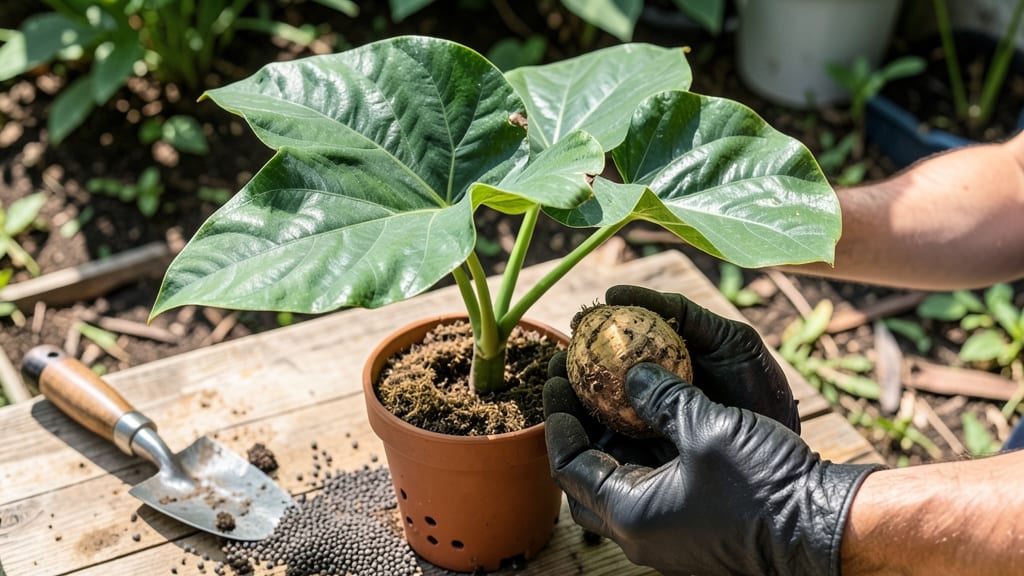
Planting elephant ear bulbs in pots at the wrong time can leave you staring at sad, stunted leaves instead of the bold, tropical foliage you crave.
The key to thriving plants lies in timing it right—whether you're in Zone 6a or a warmer climate, getting this step perfect makes all the difference.
For most gardeners, the best window opens after the last frost date in spring, but tropical varieties have their own schedule.
I’ll break down exactly when to plant based on your hardiness zone, plus pro tips for prepping bulbs and pots so your elephant ear 🌿 takes off like a champion.
You’ll also discover how to extend your growing season by starting indoors in colder areas and avoiding common mistakes that turn lush foliage into a flop. Let’s get your pots ready for summer’s showstopper plants!
No more guessing—just proven timing, soil secrets, and care routines that keep your elephant ears looking their best from June through September. Ready to grow like a pro?
Best planting months for elephant ear bulbs in pots by US hardiness zones
Timing is everything when planting elephant ear bulbs (Colocasia) in pots—these tropical beauties need warm soil and frost-free conditions to thrive. Unlike in-ground plantings, containers heat up faster but also dry out quicker, so zone-specific scheduling is critical.
Let’s break down the ideal planting windows by USDA zone to ensure your elephant ears grow lush and dramatic all summer.
Most gardeners plant elephant ear bulbs in spring after the last frost, but tropical varieties can also go in late summer for extended fall color. The key is soil temperature—aim for at least 60°F (15°C) before planting.
In cooler zones (3-5), you’ll need to pre-warm soil or plant indoors first, while warmer zones (8+) can plant as early as March or even February.
| USDA Zone | Best Planting Window | Soil Temp Requirement | Container Prep Tip |
|---|---|---|---|
| Zones 3-5 | Late May - Early June (after last frost) | 60°F+ (15°C+) | Use black pots to warm soil faster |
| Zones 6-7 | Mid-April - Mid-May | 55°F+ (13°C+) | Soak bulbs overnight before planting |
| Zones 8-9 | February - March OR August - September | 50°F+ (10°C+) | Plant in large pots for fall/winter interest |
| Zone 10+ | Year-round (avoid winter months) | No minimum (tropical) | Use moisture-retentive mixes |
🌱 Pro Tip: In zones 3-7, plant bulbs indoors in pots 6-8 weeks before last frost to jumpstart growth.
For container gardening, timing matters even more than in-ground planting because pots heat up faster but lose moisture quicker.
If you’re in Zone 6 or cooler, consider staggered plantings every 2-3 weeks to extend your display—early plantings may bolt by late summer, while later ones will catch up.
In warmer zones (8+), you can enjoy two plantings per year: spring for summer blooms and fall for winter interest.
Always check your local frost dates—even a light frost can kill back foliage, though the tubers often survive to regrow. In Zone 7 and below, I recommend digging up tubers before frost and storing them in dry peat moss until next spring.
For tropical varieties like Colocasia esculenta, they’ll thrive year-round in Zone 10+ containers with proper winter protection like burlap wraps.
One common mistake is planting too early when soil is still cold—bulbs rot before sprouting. To test soil warmth, press a thermometer into the pot mix (2-3 inches deep); it should read at least 60°F (15°C) for 5+ days before planting.
If your soil is cooler, place pots on a heat mat or cover with black plastic for a few days to warm it up.
For extended seasons, try this trick: plant half your bulbs in spring and the other half in late summer. The late plantings will fill gaps when early ones fade, giving you continuous tropical drama from June through October.
Just be sure to use larger pots (18"+ diameter) for summer plantings—they’ll need extra space to establish roots before cooler weather arrives.
Remember, elephant ears in pots are heavy drinkers, so always use well-draining potting mix with perlite and water deeply 2-3 times per week during active growth.
In high heat (90°F+ or 32°C+), they’ll need daily watering to prevent wilting or crispy edges. A self-watering pot can be a lifesaver in summer!
If you’re in a transition zone (Zone 7-8), you might get away with leaving tubers in pots year-round if you mulch heavily in winter and protect from freezing temps.
However, tropical varieties like Alocasia or Xanthosoma are not frost-tolerant and should always be brought indoors or dug up before winter.
For maximum impact, pair your elephant ears with complementary container plants like caladiums (for shade) or coleus (for color contrast). Just ensure they share similar water and light needs—elephant ears hate drying out, so avoid pairing them with drought-tolerant succulents.
With the right timing and care,
Best planting months for elephant ear bulbs in pots by US hardiness zones
Timing matters most when planting elephant ear bulbs in pots—these tropical beauties need warmth to thrive. In USDA Zones 8-10, you can plant as early as March, while gardeners in Zones 3-7 should wait until after the last frost date.
Pots warm up faster than garden beds, but bulbs still need soil temperatures above 60°F to sprout reliably.
For container gardening, aim to plant 4-6 weeks before your last frost date—this gives roots time to establish before summer heat arrives. In cooler zones, consider starting bulbs indoors under grow lights 6-8 weeks before transplanting.
Tropical varieties like Colocasia can even handle late summer plantings in warm climates, extending your growing season.
| Zone | Best Months | Soil Temp | Container Tip |
|---|---|---|---|
| 3-5 | May-June (after frost) | 60°F+ | Use black pots to absorb heat |
| 6-7 | April-May | 65°F+ | Add mulch to retain warmth |
| 8-10 | March-April | 70°F+ | Plant in terra cotta for airflow |
In Zones 3-5, where frosts linger late, prioritize large containers (18"+ diameter) to prevent soil from freezing. Add a heat mat under pots if night temps drop below 50°F.
For Zones 8-10, you can plant year-round, but avoid peak summer heat (90°F+) to prevent bulb rot.
Pro tip: Check your local frost dates using the USDA Plant Hardiness Zone Map. For example, Zone 7a gardeners should plant by April 15th, while Zone 9b can start as early as February. Always plant bulbs with the eyes facing upward—this ensures faster germination.
If you miss the spring window, don’t worry! Elephant ears are perennial in warm climates and can be replanted in late summer (August-September) for fall color. Just reduce watering slightly as temps cool to prepare bulbs for dormancy.
For container-specific success, choose pots with drainage holes and use a lightweight potting mix (like 60% peat moss, 30% perlite, 10% compost). This prevents waterlogging, which elephant ears hate—their roots need oxygen but constant moisture.
Mulch with 2-3 inches of straw to lock in moisture and regulate soil temps.
Remember: Pots heat up faster than garden beds, so monitor soil temps with a thermometer if planting early. Aim for 65-75°F soil—this is the sweet spot for bulb growth. With the right timing, your elephant ears will reward you with 5-foot-tall tropical leaves all summer long! 🌿