
Plants
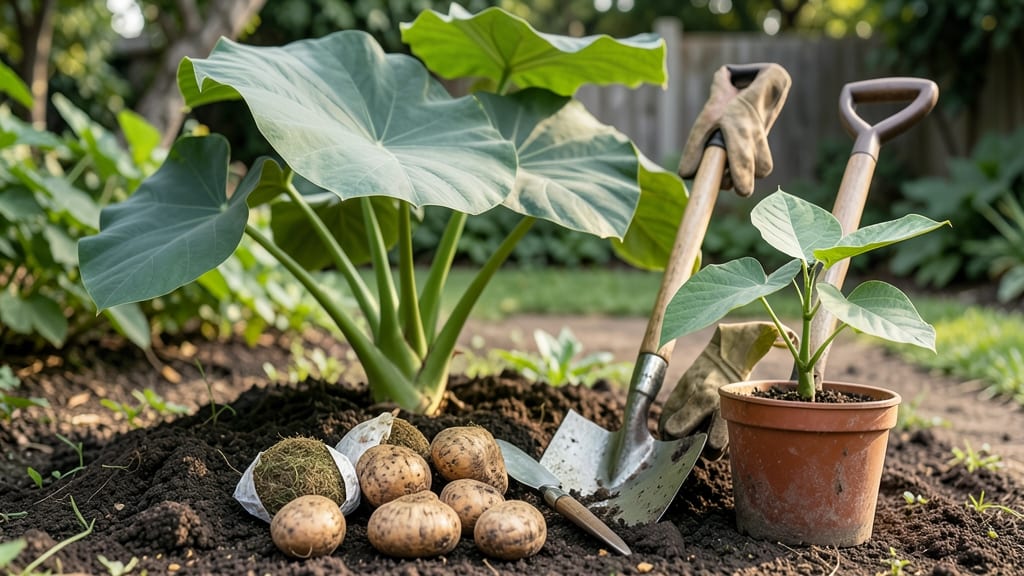
Planting elephant ear bulbs in Georgia at the wrong time can mean the difference between stunning summer foliage and a sad, frost-nipped disappointment. These tropical beauties 🌿 thrive when the soil warms up, but getting the timing right depends on your exact county and microclimate.
Most Georgia gardeners in zones 7b-8b should wait until after the last frost—typically mid-April to early May—when nighttime temperatures stay consistently above 50°F.
But if you're in the northern part of the state, like near the North Georgia mountains, you might need to push planting back until late May to avoid surprise cold snaps.
What you’ll discover here is how to pinpoint your exact planting window using local frost dates, soil temperature tips, and even container planting hacks for warmer microclimates. No more guessing—just lush, healthy elephant ears that dominate your garden all summer long.
Whether you're a first-time gardener or a seasoned pro, these Georgia-specific strategies will help you avoid common mistakes like planting too early or choosing the wrong variety for your heat zone. Let’s get those bulbs in the ground at the perfect moment!
Georgia’s frost-free planting zones for elephant ear bulbs
Elephant ear bulbs (Colocasia and Alocasia varieties) thrive in Georgia’s warm climate, but timing is critical to avoid frost damage. Since Georgia spans USDA zones 7b-8b, your planting window varies by county.
Most gardeners aim for mid-April to early June, after the last frost date—typically March 15 in northern regions and February 15 in southern counties.
Northern Georgia (zones 7a-7b, like Dahlonega or Blairsville) has later frost dates, so wait until mid-May to plant. Southern zones (8a-8b, like Savannah or Waycross) can start as early as March 1, but soil must be at least 60°F to prevent rot.
Use a soil thermometer to confirm.
Here’s how to align your planting with Georgia’s microclimates for maximum foliage growth and tropical beauty:
| Region | USDA Zone | Last Frost Date | Ideal Planting Window | Soil Temp Requirement |
|---|---|---|---|---|
| North Georgia (e.g., Dahlonega, Blairsville) | 7a-7b | March 15–April 1 | Mid-May (after frost risk) | ≥60°F |
| Central Georgia (e.g., Athens, Macon) | 7b-8a | March 1–March 15 | Early April to May 1 | ≥58°F |
| South Georgia (e.g., Savannah, Waycross) | 8a-8b | February 15–March 1 | March 1 to April 15 | ≥55°F |
🌱 Pro Tip: Test soil moisture before planting—elephant ears hate soggy soil but need consistent dampness.
For container gardening, you can push planting dates 2-3 weeks earlier since pots warm faster. Fill containers with well-draining potting mix and place them in a south-facing location to accelerate soil temperature. Just ensure pots have drainage holes to prevent bulb rot.
If you’re in a transition zone (like Columbus or Augusta), opt for heat-tolerant varieties like ‘Black Magic’ Colocasia or ‘Polly’ Alocasia. These varieties handle short cold snaps better than delicate tropical types. Pair them with mulch (3–4 inches of shredded bark) to insulate roots.
One common mistake is assuming “warmer soil = safe planting”. Always check the air temperature forecast for nighttime dips below 50°F. Use a row cover or frost cloth for the first 2–3 weeks to protect young shoots. Remove covers during the day to avoid overheating.
For extended blooms, plant bulbs in partial shade (4–6 hours of morning sun) to prevent leaf scorch. Southern exposures work best in northern Georgia, while eastern exposures suit coastal areas. Avoid full sun in zone 8b—it causes leaf burn by July.
Remember: Elephant ears are tuberous plants, not true bulbs. Plant them 2–3 inches deep with the eyes (growth points) facing upward. Space them 2–3 feet apart to accommodate their 4–6 foot mature height. In containers, use one bulb per 12-inch pot.
If you miss the spring window, don’t despair! Many gardeners in zone 8b plant elephant ears in late summer (August) for a fall display. Just ensure soil stays consistently moist until roots establish by October. Mulch heavily to protect tubers over winter.
Georgia’s frost-free planting zones for elephant ear bulbs
Georgia’s warm climate makes it ideal for growing elephant ear bulbs, but timing is critical. These tropical plants thrive in USDA zones 7b-9a, where the last frost typically occurs between mid-March and early April.
Planting too soon risks frost damage, while waiting too long can stress the bulbs in summer heat. Let’s break down the best planting windows by region to ensure your Alocasia or Colocasia varieties flourish.
In North Georgia (zones 7a-7b), like in Atlanta, Dalton, or Rome, aim to plant bulbs after April 15 when soil temperatures consistently stay above 60°F.
Southern regions, including Savannah, Macon, or Brunswick (zones 8a-9a), can start as early as mid-March and even extend into late April for a longer growing season. Always check your local extension office for precise frost dates, as microclimates can vary.
| Region | USDA Zone | Last Frost Date | Best Planting Window |
|---|---|---|---|
| North Georgia (Atlanta, Dalton) | 7a-7b | April 15 | After April 15 |
| Central Georgia (Macon, Columbus) | 8a | March 30 | Mid-March to April 15 |
| South Georgia (Savannah, Brunswick) | 8b-9a | March 15 | Mid-March to Late April |
For in-ground planting, prepare your soil by amending it with compost or aged manure to ensure good drainage, as elephant ears hate soggy roots. In containers, use a well-draining potting mix and place pots in a spot that gets morning sun and afternoon shade.
This helps prevent leaf scorch, especially in Georgia’s humid summers. Always plant bulbs 1-2 inches deep with the eyes facing upward.
If you’re in a cooler microclimate or want to jumpstart growth, consider starting bulbs indoors 4-6 weeks before your last frost date. Use a grow light to provide 12-14 hours of light daily until soil temperatures outside are stable.
This trick works wonders for Alocasia varieties, which are more sensitive to cold. Just be sure to harden off seedlings before transplanting to avoid shock.
Once planted, mulch around the base with 2-3 inches of organic mulch to retain moisture and regulate soil temperature. In hotter zones (8b-9a), mulching also helps protect roots from extreme heat. Water deeply once a week during establishment, keeping the soil consistently moist but not waterlogged.
Avoid overhead watering to prevent fungal diseases like leaf spot, which is common in Georgia’s humid climate.
Remember, elephant ears are not cold-hardy, so if an unexpected frost threatens after planting, cover them with a lightweight frost cloth. In North Georgia, this is especially important in May, when late frosts can still occur.
With the right timing and care, your elephant ears will reward you with stunning foliage all summer long.