
Plants
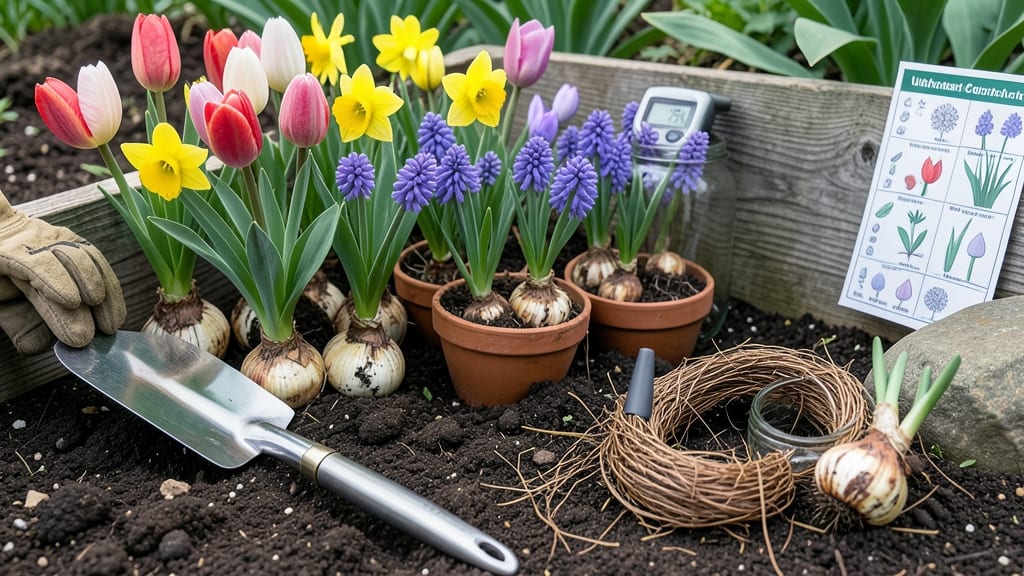
Planting bulbs in Utah isn’t just about timing—it’s about matching their chill-hour needs to your microclimate, whether you’re in the high desert or the Wasatch Mountains.
Get it wrong, and your 🌱 daffodils might bloom late (or not at all), while perfect execution guarantees vibrant spring displays that outshine your neighbors’.
Most Utah gardeners swear by fall planting, but early spring works too—if you know the exact window for your zone. Salt Lake City’s 6b climate demands bulbs in the ground by November 1st, while St. George’s 8a zone lets you wait until January.
Confused? We’ll break it down by bulb type and altitude, so you never second-guess again.
The key isn’t just the calendar—it’s soil temperature and frost dates. Plant too early in cold zones, and your bulbs might heave out of the ground. Too late, and they won’t get enough chill hours to bloom.
I’ll show you how to read your soil’s cues and adjust for Utah’s unpredictable weather swings.
Ready to transform your garden into a spring explosion of color? Let’s dive into the proven planting schedule that works for Utah’s diverse climates—no guesswork, just reliable blooms.
Utah’s chill-hour zones: when to plant bulbs by altitude and variety
Utah’s dramatic elevation changes—from the high desert’s 4,000 ft to the Wasatch’s 10,000+ ft peaks—create three distinct chill-hour zones that dictate when to plant bulbs. Each zone requires different timing to meet bulbs’ chill-hour needs (e.g., 1,500–3,000 hours for tulips).
Plant too early or late, and you risk frost heave or weak blooms.
For low-elevation areas (4,000–6,000 ft), like St. George or Cedar City, aim to plant fall bulbs by late October. These zones experience milder winters and fewer chill hours, so low-chill varieties (e.g., daffodils, grape hyacinths) thrive best.
Use a soil thermometer to confirm 50°F soil temps before planting.
Mid-elevation gardens (6,000–8,000 ft, like Salt Lake City or Provo) have a 6–8 week window from mid-October to late November. This zone supports tulips and alliums, which need 2,000–3,000 chill hours.
Wait until after first frost but before ground freezes solid—typically late November—for spring-planted bulbs like crocuses.
| Zone | Altitude | Best Planting Window | Chill Hours Needed | Top Bulb Varieties |
|---|---|---|---|---|
| Low Elevation | 4,000–6,000 ft | Late Oct–Nov | 1,500–2,500 hrs | Daffodils, Grape Hyacinths, Snowdrops |
| Mid Elevation | 6,000–8,000 ft | Mid-Oct–Late Nov | 2,000–3,000 hrs | Tulips, Alliums, Crocuses |
| High Elevation | 8,000+ ft | Sept–Early Oct | 3,000–5,000 hrs | Fritillaries, Siberian Irises, Alpine Squills |
High-altitude gardens (8,000+ ft, like Park City or Logan) must plant earlier—September to early October—to ensure bulbs receive enough chill hours before winter. Varieties like Siberian irises and alpine squills handle 3,000–5,000 chill hours but struggle in warmer zones.
Test soil moisture here; desiccated bulbs are a common issue due to dry air.
Spring planting in Utah works for hardy bulbs like crocuses or snowdrops, but timing is critical. Plant after last frost (typically mid-March in low zones to late April in high zones) when soil reaches 55°F. Use black plastic mulch to warm soil faster in cooler areas.
Pro tip: Group bulbs by chill-hour needs in your garden. For example, plant tulips (high chill) in north-facing beds where soil stays cooler longer, while daffodils (low chill) thrive in south-facing spots. This microclimate hack maximizes bloom success across Utah’s varied landscapes.
Always check your local USDA zone (e.g., Salt Lake City = Zone 6b) and historical frost dates via the National Weather Service. Adjust planting by 1–2 weeks if winters are unusually warm or cold. Patience pays off—perfect timing means vibrant blooms next spring!
For container gardens in urban Utah (e.g., Salt Lake City apartments), plant bulbs in well-draining pots by late September to ensure roots establish before frost. Use a heat mat in winter to protect pots from temperature swings.
Remember: Bulbs need 6–8 weeks of root growth before winter. If you miss fall planting, spring planting is your backup—but expect smaller blooms unless you’re in Zone 8+ (e.g., St. George). Start small with 5–10 bulbs to test your zone’s success rate!
Utah’s chill-hour zones: when to plant bulbs by altitude and variety
Utah’s dramatic elevation shifts—from the high desert’s 4,000 ft to the Wasatch Mountains’ 10,000+ ft—create 3 distinct chill-hour zones that dictate when to plant bulbs. Understanding these zones ensures your tulips, daffodils, and alliums get the 1,500–3,000 hours of winter chill they crave to bloom reliably.
Let’s break down the perfect planting windows for each zone.
In low-altitude Utah (4,000–6,000 ft), like St. George or Cedar City, aim to plant bulbs in late October to early November. This timing aligns with soil temps dropping to 50–60°F and gives bulbs 12–14 weeks of chill before spring.
For mid-altitude areas (6,000–8,000 ft), such as Salt Lake City or Park City, shift planting to mid-October to late October to capture 1,800–2,500 chill hours.
| Zone (Altitude) | Chill Hours Needed | Best Planting Window | Top Bulb Varieties |
|---|---|---|---|
| 4,000–6,000 ft (Low Desert) | 1,500–2,000 hrs | Late Oct–Early Nov | Daffodils, Grape Hyacinths, Alliums |
| 6,000–8,000 ft (Valleys) | 2,000–2,500 hrs | Mid-Oct–Late Oct | Tulips, Fritillaries, Crocuses |
| 8,000+ ft (Mountains) | 2,500–3,000 hrs | Early Sept–Mid-Oct | Snowdrops, Siberian Squill, Alpine Tulips |
For high-altitude Utah (8,000+ ft), such as Logan or Alta, plant bulbs as early as early September to ensure they receive 2,500–3,000 chill hours before spring.
Mountain areas also benefit from earlier spring planting (March) if winter is mild, as bulbs like snowdrops and alpine tulips thrive in cooler conditions.
Spring planting in Utah is risky but possible for varieties like dwarf daffodils or alliums. Aim for late March to early April, once soil temps hit 50°F consistently.
This window works best in warmer microclimates (e.g., St. George), where frost dates are later. Always test soil moisture—dry Utah soil can bake bulbs if planted too early.
Pro tip: Use a soil thermometer to confirm temps are below 60°F for 4+ weeks before planting. This ensures bulbs enter dormancy naturally, preventing frost heave—a common Utah pitfall where bulbs push out of the ground during freeze-thaw cycles.
Mulch with 3–4 inches of straw after planting to insulate roots.
Remember, Utah’s microclimates vary wildly. A garden in Spanish Fork (5,500 ft) may need bulbs planted 2 weeks earlier than one in Moab (4,000 ft).
When in doubt, opt for low-chill varieties like ‘Tête-à-Tête’ daffodils or ‘Darwin Hybrid’ tulips, which bloom reliably even with fewer than 2,000 chill hours.