
Plants
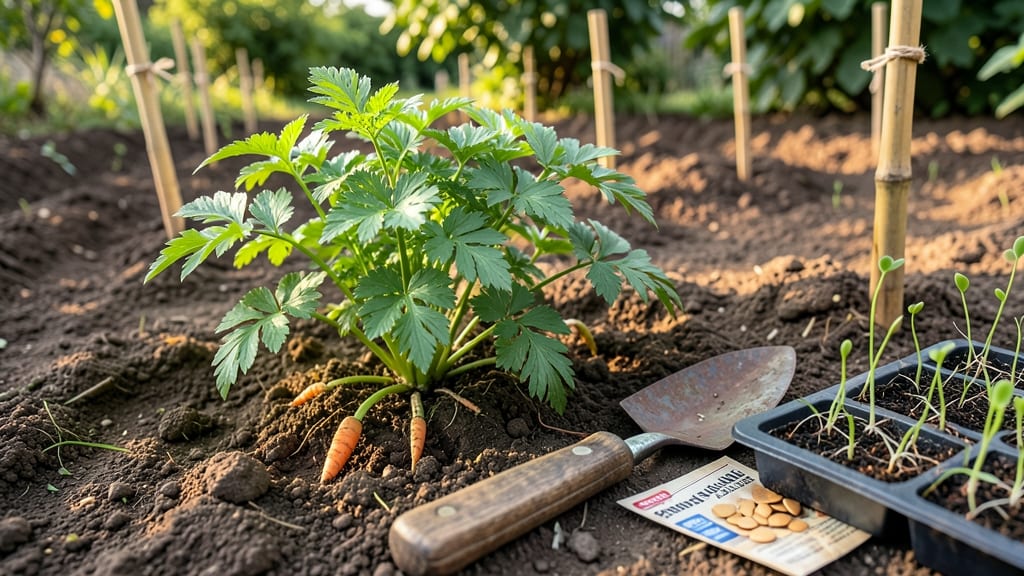
Planting carrots at the wrong time in Pennsylvania can turn your crisp, sweet dreams into bitter, woody disappointments—especially when bolting strikes before you even get a harvest.
The key to success lies in understanding your USDA Zone 5b-7a climate and working with it, not against it, to stretch your growing season from spring through fall.
If you’ve ever wondered why your 🥕 plants bolt in summer heat or struggle to germinate in cool soil, timing is the culprit. Pennsylvania’s unpredictable swings from frost to scorching sun mean you’ll need two planting windows: one in early spring and another in late summer.
Let me show you exactly when to sow seeds for a steady supply of harvest-ready carrots all season.
Most gardeners in PA miss the sweet spot between frost dates—planting too early risks frost damage, while waiting too long invites bolting. The solution? Start seeds mid-April to early July for spring crops, then repeat in August to September for fall harvests.
With these zone-specific dates, you’ll avoid the most common mistakes and enjoy fresh carrots from June through October.
Ready to ditch the guesswork? I’ll walk you through the best varieties for PA’s climate, soil prep tricks, and even how to extend your harvest with simple techniques. Let’s get those roots growing the right way—no more wasted effort!
Best planting dates for carrots in Pennsylvania’s hardiness zones 5-7
Pennsylvania’s diverse climate—spanning USDA zones 5b to 7a—means your carrot planting schedule should account for both early springs and late frosts.
In northern PA (zones 5a/5b), wait until mid-April to early May after the last frost, while southern PA (zones 6b/7a) can start as early as late March. Timing is critical: plant too soon, and seedlings may freeze; too late, and summer heat triggers bolting (flowering) before harvest.
For a continuous harvest, Pennsylvania gardeners typically plant two main crops: one in spring (April–May) and another in late summer (August–September).
Fall-planted carrots mature before winter frosts, while spring crops benefit from cooler soil temperatures. Succession planting every 2–3 weeks extends your harvest window from June through October.
Here’s how to align your planting with Pennsylvania’s frost-free season, which averages 150–200 days depending on your zone. Use these guidelines to avoid common pitfalls like woody roots (from heat stress) or poor germination (from cold soil).
⚠️ NON-NEGOTIABLE: Always test your soil’s drainage before planting—carrots hate soggy soil and will fork or rot. Amend heavy clay with compost or sand to create loose, crumbly beds. Pennsylvania’s loamy soil in many regions is ideal, but urban gardens often need extra organic matter.
| Zone | Spring Planting Window | Fall Planting Window | Last Frost Date | First Frost Date |
|---|---|---|---|---|
| 5a/5b (North) | Mid-April to May 15 | August 15–September 10 | April 15–May 1 | October 15–20 |
| 6a/6b (Central) | Late March–April 30 | August 1–September 15 | April 1–April 15 | October 10–15 |
| 7a (South) | Late March–May 1 | August 15–September 20 | March 15–April 1 | October 5–10 |
📅 Pro Tip: Use a planting calendar (like the Old Farmer’s Almanac) to adjust for microclimates in PA.
In northern PA (zones 5a/5b), where springs are cooler, opt for cold-hardy varieties like ‘Nantes’ or ‘Chantenay’ for early planting. These tolerate 40°F soil temps better than heat-sensitive types. Meanwhile, southern PA (zone 7a) can experiment with summer planting (June) using shade cloth to protect seedlings from intense sun.
For fall crops, aim to harvest before soil temps drop below 40°F, as this causes roots to become woody and pithy.
In central PA (zones 6a/6b), September 15 is a safe cutoff for sowing; in northern zones, shift to August 15 to ensure maturity before frost.
Always check your local frost dates—Pennsylvania’s first frost can arrive as early as October 5 in the south or as late as October 25 in the north.
If you’re new to succession planting, start with short-season varieties like ‘Paris Market’ (50 days) or ‘Little Finger’ (55 days). These mature quickly, allowing you to stagger plantings every 2 weeks for a steady supply.
Pair them with longer-season types (70+ days) like ‘Danvers’ for a mix of baby and full-sized carrots.
One common mistake in Pennsylvania is planting carrots in hot, dry soil during summer. To avoid this, use drip irrigation or mulch heavily with straw to retain moisture. Morning watering (before 10 AM) prevents evaporation and fungal diseases like Alternaria leaf spot, which thrives in PA’s humid summers.
For container gardening in urban PA areas, choose shallow varieties like ‘Short ‘n’ Sweet’ (6 inches deep) and plant in well-draining mixes. Containers warm up faster than ground soil, so start
Best planting dates for carrots in Pennsylvania’s hardiness zones 5-7
Pennsylvania’s USDA zones 5-7 offer two prime windows for planting carrots: spring and fall. Timing matters because carrots grow best in cool soil (50-70°F) and bolt when exposed to heat stress.
In most of PA, aim to plant 2-3 weeks after your last frost date, typically mid-April to early May for spring crops.
For a fall harvest, sow seeds in late summer (August-September) to give roots time to mature before the first frost, usually mid-October. In Zone 7a, you can even try a late summer planting for a winter harvest under mulch or row covers.
Here’s a quick reference for your specific zone—adjust based on your local frost dates:
| Zone | Spring Planting | Fall Planting | Last Chance |
|---|---|---|---|
| 5a/5b | Mid-April to May 15 | August 15 to September 1 | June 15 (short-day varieties) |
| 6a/6b | Early April to May 10 | August 1 to September 10 | June 10 (with shade) |
| 7a | Late March to April 30 | July 30 to September 15 | June 1 (early-maturing types) |
*Adjust for early or late frost years by checking your local almanac.
If you’re planting in summer, choose short-day varieties like ‘Paris Market’ or ‘Little Finger’ to avoid bolting. Always plant seeds ¼ inch deep in loose, stone-free soil to prevent forked roots—a common PA gardener’s frustration!
For best results, test your soil pH (ideal: 6.0-7.0) and amend with compost before planting. Carrots are finicky about soil texture, so avoid heavy clay unless amended with sand or organic matter.
Pro tip: Use a seed starter or shallow trench to ensure straight roots, especially in rocky PA soil. Thin seedlings to 2-3 inches apart once they’re 2 inches tall to prevent competition.