
Plants
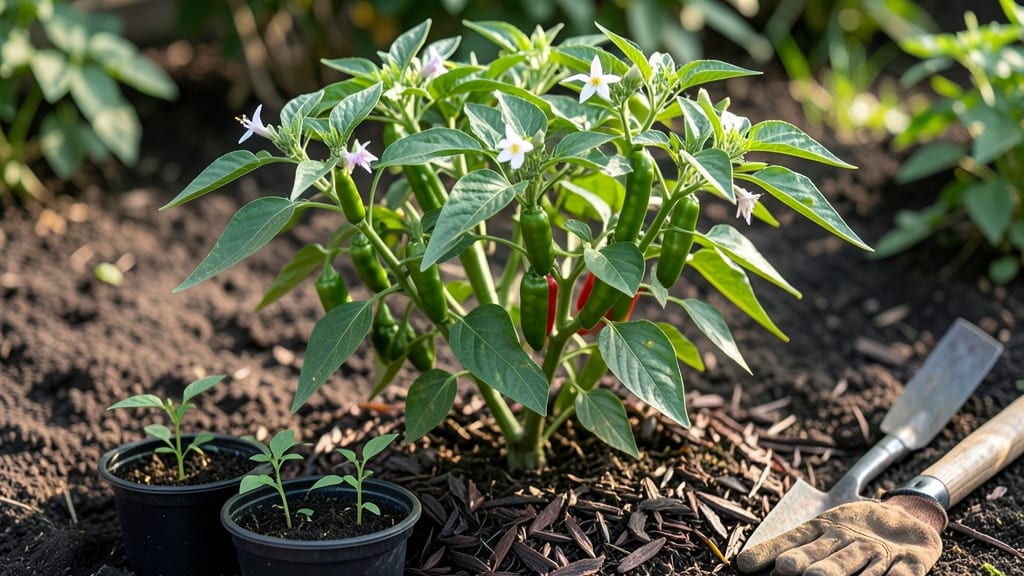
When to plant chillies in the UK is the difference between a bountiful harvest and a sad, frost-nipped failure. If you plant too early, a late frost will turn your seedlings into sad, blackened memories—trust me, I’ve been there. But get it right, and you’ll be feasting on homegrown peppers from July right through to October.
The secret lies in knowing your region’s last frost date—London’s mid-April is far milder than Scotland’s late May, and Cornwall’s warmer microclimate lets you start earlier. Whether you’re sowing seeds indoors or transplanting young plants, the 15°C soil rule is your golden ticket to success.
In this guide, I’ll break down exactly when to plant chillies across the UK, from early indoor starts to outdoor transplants, plus how to stretch your growing season with greenhouses or polytunnels. No more guessing—just frost-free confidence and a kitchen bursting with spice.
Ready to turn your garden into a chilli powerhouse? Let’s dive into the region-by-region timeline that’ll have your peppers thriving—no matter where you live in the UK.
UK chilli planting dates by region: frost-free timeline guide
Chillies thrive in warmth, but the UK’s cool climate and late frosts demand careful timing. Your last frost date is the golden rule—plant too soon, and frost will kill seedlings; too late, and you’ll miss the summer heat chillies crave.
Here’s how to nail the perfect window for your region.
Southern England (e.g., London, Cornwall) enjoys earlier frost-free conditions, while Scotland and Northern Ireland face cooler, shorter seasons. Even within regions, microclimates (like sheltered valleys) can shift planting by weeks. Use this guide to align your chillies with your local frost-free timeline.
🌶️ Pro Tip: Check your last frost date using the Met Office or local gardening forums. For most UK areas, this falls between mid-April and late May, but Highland Scotland can wait until June.
| Region | Last Frost Date | Ideal Planting Window | Risk-Averse Option | Bold Gardener Option |
|---|---|---|---|---|
| Southern England (London, Cornwall) | Mid-April | Mid-April to early May | Start indoors Feb-March | Direct sow April |
| Midlands (Birmingham, Manchester) | Late April | Late April to mid-May | Start indoors March | Direct sow May |
| Northern England (Yorkshire, North East) | Early May | Early May to late May | Start indoors March-April | Direct sow late May |
| Wales (Cardiff, Snowdonia) | Late April | Late April to early May | Start indoors March | Direct sow May |
| Scotland (Edinburgh, Glasgow) | Late May | Late May to early June | Start indoors April | Direct sow June (greenhouse) |
| Northern Ireland (Belfast) | Early May | Early May to late May | Start indoors March-April | Direct sow late May |
🌱 Note: Adjust for microclimates (e.g., urban heat islands may be 1-2 weeks earlier).
For Southern England, chillies can be sown directly outdoors from mid-April in sheltered spots, but seedlings started indoors in February give you a head start. In Scotland or Northern Ireland, wait until late May for outdoor planting, or use a greenhouse to extend the season.
Soil temperature is just as critical as frost dates. Chillies need soil at 15°C+ to germinate. Use a soil thermometer or wait until May in cooler regions. Cold soil slows growth and invites damping-off disease.
If you’re unsure about your local frost dates, opt for early varieties like ‘Apache’ or ‘Padron’, which mature faster (
How to extend your UK chilli growing season: greenhouse, polytunnel & indoor starts
If you love spicy harvests but live in a cooler UK region like Scotland or the Midlands, don’t despair—you can still grow chillies! The secret lies in starting seeds indoors and using greenhouses or polytunnels to extend your growing season.
These methods let you plant 4-6 weeks earlier than outdoor schedules, giving your chillies the long, warm season they need to thrive.
For indoor starts, begin sowing seeds 8-12 weeks before your region’s last frost date. Use seed trays with heating mats (set to 20-25°C) to speed up germination.
Once seedlings have 2-3 true leaves, you can transplant them into larger pots (7-8cm diameter) and move them near a south-facing window or under grow lights for 12-14 hours of light daily. This head start ensures robust plants ready for outdoor or greenhouse life by late spring.
- Sow seeds in seed trays with sterilized compost (use a heating mat for faster germination).
- Keep soil moist but not soggy (use a spray bottle to avoid disturbing seeds).
- Place trays in a warm, bright spot (e.g., windowsill or under grow lights).
- Move seedlings to 7-8cm pots once they have 2-3 true leaves.
- Use well-draining compost mixed with perlite to prevent root rot.
- Fertilize lightly with a balanced liquid feed (e.g., 5-5-5) after 3 weeks.
- Harden off seedlings by placing them outdoors for 1-2 hours daily (starting 2 weeks before transplanting).
- Choose a sunny, sheltered spot (e.g., south-facing wall or greenhouse).
- Plant out after all risk of frost (use frost cloths if needed for late transplants).
- Keep temperatures above 15°C (use ventilation to prevent overheating).
- Water morning-only to reduce humidity-related diseases.
- Rotate pots weekly for even light exposure.
For those with greenhouses or polytunnels, you can push the season even further. Sow seeds indoors in early March and transplant into your greenhouse by mid-April. This setup lets you plant outdoors as early as May (or even late April in milder regions like Cornwall).
Just remember to ventilate on warm days to prevent heat stress and pollination issues—chillies need cross-pollination for fruit set, so a gentle breeze or hand-pollination (tap flowers with a paintbrush) helps.
If you’re in a very cool climate (e.g., Scotland or the Highlands), consider year-round greenhouse growing. With supplemental grow lights and temperature control, you can enjoy fresh chillies from spring to autumn—or even overwinter tender varieties like jalapeños or habaneros with careful care.
Just monitor humidity levels (aim for 40-60%) to avoid powdery mildew and bacterial spot, common in high-moisture environments.
Pro tip: Use black plastic mulch in your greenhouse to warm the soil faster in spring. This simple trick can add 1-2 weeks to your growing season by raising soil temperatures to chilli-friendly levels (ideally 18-24°C).
Pair this with regular feeding (every 4-6 weeks with a high-potassium fertilizer) to encourage bigger, spicier harvests—even in the UK’s cooler months.
With these strategies, you’ll beat the frost and enjoy homegrown chillies long after your neighbors’ plants have faded. Just remember: patience is key—rushing seedlings or skipping hardening-off can lead to weak plants that struggle in the UK’s unpredictable weather.
Start early, stay consistent, and you’ll be picking peppers by summer! 🌶️