
Trees
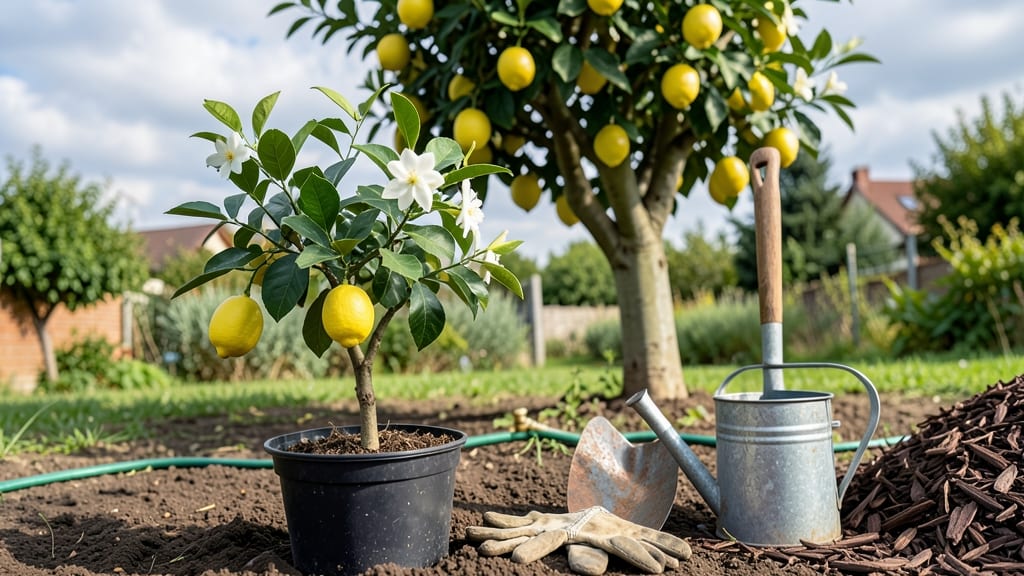
Planting a citrus tree 🍊 in Phoenix isn’t just about timing—it’s about avoiding the brutal summer heat that can shock young roots and stunt growth. The ideal window is narrow but critical: late fall through early spring, when temperatures dip just enough to give your tree a fighting chance.
Why does this matter? Phoenix’s 9b climate might seem perfect for citrus, but planting in the wrong season can mean the difference between a thriving tree and one that struggles to survive.
I’ve seen firsthand how trees planted in summer often wilt before they even take root—so let me show you exactly when to plant for maximum success.
You’ll learn the best months to dig in, how to prep your soil for desert conditions, and which citrus varieties handle Phoenix’s heat like pros. Whether you’re planting in-ground or containers, these tips will help your tree grow strong and fruit year-round.
Ready to skip the guesswork? Let’s break down the optimal planting schedule, soil secrets, and microclimate tricks that’ll set your citrus tree up for success—no matter where you are in the Valley.
Best months to plant citrus trees in Phoenix’s climate zone
Phoenix’s USDA Zone 9b climate offers year-round citrus growing potential, but timing is everything. The ideal planting window spans from November through February, when cooler temperatures and lower humidity reduce transplant shock.
This period aligns perfectly with your tree’s natural dormancy cycle, allowing it to establish roots before the brutal summer heat arrives.
Planting in these months gives your citrus tree a 3-4 month head start before Phoenix’s 100°F+ temperatures kick in. Young trees struggle to adapt when planted in spring or summer, often experiencing heat stress or root burn from the intense desert sun.
Even our mild winters (rarely below 32°F) won’t harm newly planted citrus—unlike in colder zones where frost is a major risk.
Here’s why late fall to winter is optimal: soil temperatures stay below 75°F, reducing fungal diseases like root rot, and morning frost risks are minimal. The short days and cool nights actually help your tree focus energy on root development rather than leaf production.
| Planting Window | Soil Temp Threshold | Phoenix Microclimate Notes | Survival Rate |
|---|---|---|---|
| November - February | 50°F - 75°F | Best for Valley areas; higher elevations (e.g., Carefree) can plant slightly later | 90%+ with proper care |
| October (early) | 60°F - 70°F | Risk of heat spikes; best for container planting | 75-85% |
| March (late) | 75°F - 85°F | High heat stress; only for established trees | 60-70% |
| April - September | Above 85°F | Not recommended; extreme transplant shock | Below 50% |
🌱 Pro Tip: For container-grown citrus, you can plant up to March but use shade cloth for the first 30 days.
Phoenix’s microclimates play a surprising role in planting success. The Valley floor (e.g., Tempe, Mesa) can handle late winter planting, while higher elevations (e.g., Scottsdale, Carefree) may extend the window slightly into March due to cooler nights.
Urban areas with heat islands (like downtown Phoenix) require extra shade protection for newly planted trees until roots establish.
If you miss the ideal window, don’t despair—container planting gives you flexibility. Potted citrus can be planted in spring (March-April) as long as you provide afternoon shade and daily deep watering for the first month.
Just avoid planting in-ground during summer; the 110°F+ soil temps will cook your tree’s roots before it can adapt.
One common mistake is assuming “anytime is fine” because Phoenix rarely freezes. However, planting in spring or summer forces your tree to grow leaves and fruit before its roots can support it, leading to leaf drop or fruit abortion.
The key is matching your planting timing to your tree’s natural growth cycle—not the calendar.
For dwarf varieties (like Meyer lemon or Calamondin orange), the window is slightly wider—you can plant as late as early April—because their smaller root systems establish faster. But even these tough little trees benefit from a cool-season start to avoid heat stress.
Local nurseries like Desert Botanical Garden’s plant sales or Tempe Marketplace Nursery often stock bare-root citrus in November-January, making it easier to plant during the optimal window.
If you’re buying potted trees, check the root ball for signs of circling roots—a red flag that the tree was overcrowded before purchase.
Remember: a well-timed planting in Phoenix isn’t just about avoiding heat—it’s about giving your citrus tree the perfect 3-month growing head start before summer arrives. With the right timing, you’ll see fruiting within 2-3 years instead of waiting 5+ years for a poorly timed transplant to recover.
How to prepare your Phoenix garden for citrus tree planting success
Phoenix’s desert soil and intense sun demand special prep before planting citrus trees. Without proper preparation, your tree may struggle with poor drainage or nutrient deficiencies, leading to weak growth or even death. The key is creating a well-draining, nutrient-rich environment that mimics citrus trees’ native Mediterranean conditions.
Start by testing your soil’s pH level—citrus trees thrive in slightly acidic soil with a pH between 6.0 and 7.0. If your soil is too alkaline (common in Phoenix), amend it with sulfur or peat moss to lower the pH gradually.
Avoid sudden changes, as they can shock your tree’s roots.
Next, improve drainage by mixing organic matter like compost or aged manure into the planting hole. Citrus trees hate soggy roots, so avoid heavy clay soils. If your yard has poor drainage, consider planting in a raised bed or mounding native soil to create a slight elevation.
For container planting, use a pot with drainage holes and fill it with a 50/50 mix of cactus/succulent soil and compost. Containers dry out faster in Phoenix’s heat, so choose a dwarf citrus variety like ‘Meyer lemon’ or ‘Calamondin orange’ to reduce watering demands.
Finally, mulch around the base of your citrus tree with 3-4 inches of organic mulch, such as wood chips or straw. Mulch helps retain moisture, regulate soil temperature, and suppress weeds—critical in Phoenix’s 110°F+ summers. Keep mulch 3 inches away from the trunk to prevent rot.
With these steps, your citrus tree will have the best chance to establish strong roots and thrive in Phoenix’s unique microclimates. Remember, preparation is everything—skipping soil prep is like planting a desert flower in a swamp! 🌱