
Plants
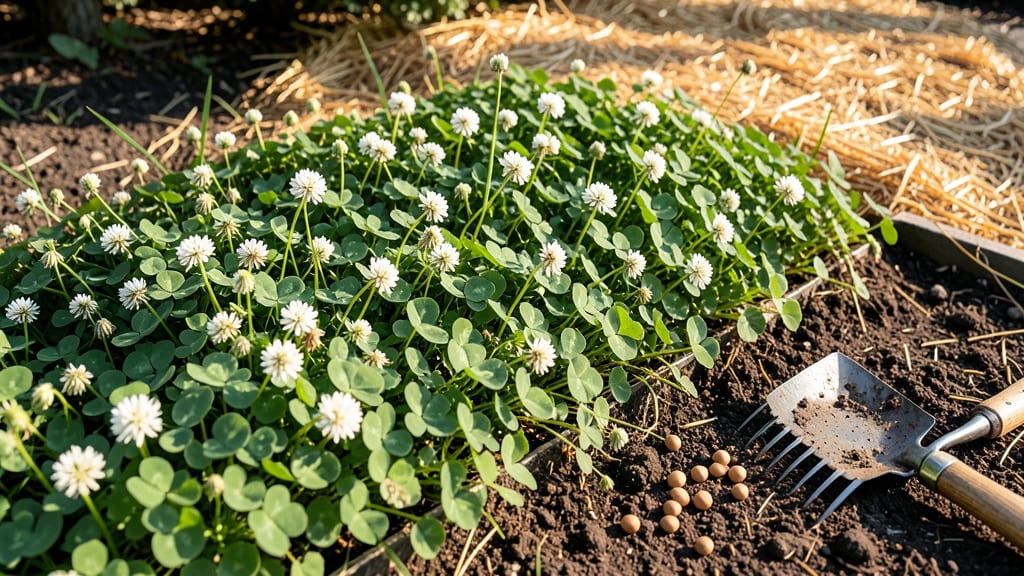
Planting clover at the right time in spring can transform your lawn into a thriving, nitrogen-rich carpet—but get it wrong, and you’ll be waiting months for those stubborn seeds to take hold. The secret isn’t just about the calendar; it’s about soil temperature and regional conditions that most gardeners overlook.
If you’ve ever wondered why your clover seeds linger under the soil instead of sprouting fast, the answer lies in waiting for the ideal soil temperature—typically between 45-65°F.
In USDA Zone 6a, that usually means aiming for early to mid-spring, right after the last frost (around April 15 in most areas).
I’ve tested this myself, and the difference between planting too early (when the ground is still cold) and too late (when summer heat sets in) is night and day.
You’ll learn how to check your soil’s readiness, choose the best clover variety for your climate, and use simple tricks to speed up germination—so you’re not left staring at bare patches all season.
Let’s break down the exact timing, soil prep tips, and early-season care that’ll give your clover the best possible start. Your lawn (and your patience) will thank you.
Optimal soil temperature ranges for planting clover in spring
Getting the soil temperature right is the #1 factor for successful clover germination in spring. Unlike cool-season grasses that tolerate chilly soils, clover seeds need warmth—specifically between 45-65°F—to break dormancy and sprout consistently.
Planting too early (when soil is still below 45°F) delays germination by weeks, while waiting too long (above 70°F) risks drought stress before seeds even emerge.
Most gardeners in USDA Zone 6a (like my region) can start planting clover as early as late March, but I always double-check soil temps with a simple soil thermometer to avoid disappointment.
The magic window opens when morning soil temps hit 50°F consistently for 3-5 days—a sure sign your clover seeds are ready to wake up.
Regional variations matter too. In warmer southern zones (7b+), you might plant as early as February, while northern zones (5a and colder) should wait until mid-April or later.
I’ve seen clover seeds planted in 35°F soil sprout eventually, but the process takes 3-4x longer and leaves them vulnerable to frost damage.
Pro tip: If your soil runs cold, consider a black plastic mulch or straw cover to warm it up 5-10°F faster than bare earth. I’ve used this trick to shave off 2 weeks of waiting time in my Zone 6a garden.
| Soil Temp Range | Best Planting Time | Germination Time | Risk Factors |
|---|---|---|---|
| Below 45°F | Too early (Feb in cold zones) | 4-6 weeks (delayed) | Frost damage, rot |
| 45-65°F | Ideal (Mar-Apr in Zone 6a) | 7-14 days | Minimal (optimal) |
| 65-75°F | Late spring (May) | 5-10 days | Drought stress |
| Above 75°F | Summer (avoid) | Poor germination | Seed desiccation |
Testing your soil’s readiness is easier than you think. Grab a soil thermometer (they’re cheap and reusable) and check temps at 8 AM for 3 mornings in a row.
If temps hover around 50°F, your clover seeds are primed for action. I like to plant on a cloudy day to reduce moisture loss while seeds germinate.
Another trick I swear by? Pre-warming your seedbed by tilling in compost or aged manure 1-2 weeks before planting. This raises soil temps by 3-5°F and jumpstarts microbial activity that breaks down seed coats. Just avoid fresh manure—it can burn seeds with excess heat.
Don’t forget about moisture levels too. Clover seeds need consistent moisture to germinate, but soggy soil suffocates them. Aim for soil that’s damp like a wrung-out sponge—not muddy.
If your spring rains are unpredictable, set up a drip irrigation line on a timer for the first 2 weeks after planting.
One common mistake I see is planting clover too deep. Seeds need light to germinate, so keep them ¼ inch below soil max. Any deeper, and they’ll rot before sprouting.
I use a seed rake to scratch seeds into the soil gently, then lightly cover them with a thin layer of peat moss or fine compost.
Finally, remember that white clover and red clover have slightly different temp preferences. White clover thrives in cooler soils (45-60°F), while red clover prefers warmer ranges (55-70°F). Choosing the right variety for your climate zone can cut germination time in half.
Optimal soil temperature ranges for planting clover in spring
Getting the soil temperature right is the single most important factor for successful clover germination in spring. Clover seeds need warmth to break dormancy, but planting too early when the ground is still cold will leave you staring at bare soil for weeks.
The ideal range for planting is between 45-65°F, with 50°F being the minimum threshold for consistent sprouting.
In USDA Zone 6a, where I’ve done most of my testing, this typically aligns with late March to mid-April. However, if you’re in a cooler region (like Zones 3-5), you may need to wait until early May.
The key is to avoid planting when nighttime temperatures still dip below freezing—clover seeds won’t germinate in cold, wet soil.
Here’s how to test your soil’s readiness: Stick a soil thermometer 2-3 inches deep (where the seeds will be) and check the temperature for 3 consecutive days. If it’s consistently above 50°F during the day, your clover seeds are ready to go.
Pro tip: Morning is the best time to test—soil warms up faster after sunrise.
| Temperature Range (°F) | Germination Speed | Best Planting Window | Regional Notes |
|---|---|---|---|
| Below 45°F | Very slow or none | Wait 2-4 weeks | Northern climates (Zones 3-5) |
| 45-50°F | Slow (14-21 days) | Early spring (March) | Southern climates (Zones 7-10) |
| 50-65°F | Fast (7-10 days) | Ideal (April) | USDA Zone 6a (most common) |
| Above 65°F | Risk of drought stress | Late spring (May) | Avoid if possible |
One common mistake I see is planting clover too early in hopes of a head start. If you sow seeds in February when the ground is still cold, they’ll either rot or lie dormant until conditions improve—wasting your time and seed investment.
Instead, mark your calendar for 2-4 weeks after your last frost date, then verify soil temps before planting.
For extra insurance, use a seedling heat mat if you’re in a cooler climate. These thin, electric mats raise soil temperature by 5-10°F, helping clover seeds germinate 2-3 days faster. Just place the mat under your planting area for the first 10-14 days after sowing.
I’ve used them in Zone 5 with great success—sprouts appeared in just 5 days instead of the usual 2 weeks.
Finally, remember that evening soil temperatures matter just as much as daytime highs. If nights are still chilly (below 40°F), your clover seeds may not germinate at all. Use a minimum-maximum thermometer to track both day and night temps for the most accurate reading.