
Plants
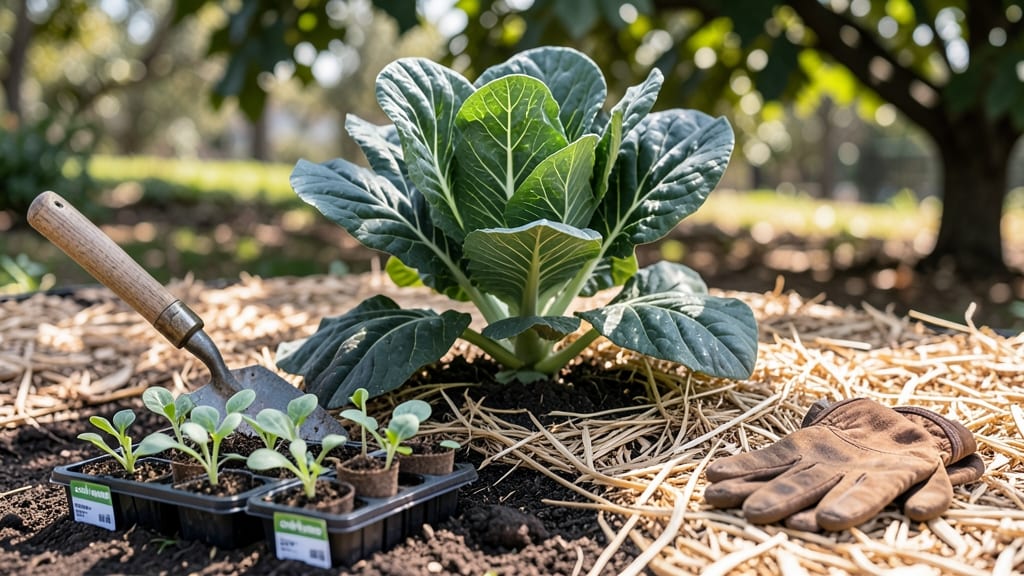
Planting collard greens at the wrong time in Georgia can mean the difference between a bountiful harvest and wilted disappointment—especially when summer heat arrives early. These leafy greens thrive in cooler weather but can bolt or struggle when temperatures climb too high, making timing the most important factor for success.
I’ve grown collards in Georgia’s climate for years, and the key is starting them early enough to avoid heat stress while still giving them enough time to mature before winter sets in.
Whether you’re in Atlanta’s Zone 7b or Savannah’s Zone 8a, knowing the exact frost-free window will help you plan for a longer harvest season and avoid common pitfalls.
Most gardeners in Georgia plant collards in early spring or late summer, but the best window depends on your specific heat zone. I’ll break down the ideal planting months, soil prep tips, and how to extend your growing season—so you can enjoy fresh, homegrown collards from fall through winter.
Ready to grow collards that thrive in Georgia’s heat and humidity? Let’s dive into the exact planting schedule, companion plants, and spacing advice to make your garden flourish—no guesswork required.
Georgia heat zone planting calendar for collard greens
Georgia’s diverse climate—from USDA zones 7a to 8b—lets you grow collard greens nearly year-round, but timing matters. Plant too early in spring, and frost will damage tender seedlings.
Plant too late, and summer heat stresses the plants before harvest. The key is aligning your planting with average last frost dates and heat zone specifics.
For North Georgia (zones 7a-7b), like Atlanta, the ideal planting window spans from mid-March to early April for spring crops. In Central Georgia (zone 7b-8a), such as Macon, you can start as early as late February.
Meanwhile, South Georgia (zone 8a-8b), including Savannah, offers a longer window from late January through early April.
Collard greens thrive in cool weather and can even tolerate light frosts, but they bolt (go to seed) quickly when temperatures exceed 80°F. This means fall planting is often more productive in Georgia’s heat.
Aim for late summer (August-September) to avoid summer’s peak heat while still allowing a full harvest before winter sets in.
Here’s how Georgia’s three major regions break down for collard green planting:
| Region | USDA Zone | Spring Planting Window | Fall Planting Window | Avg. Last Frost |
|---|---|---|---|---|
| North Georgia | 7a-7b | Mid-March to early April | Late August to early September | March 15 |
| Central Georgia | 7b-8a | Late February to early April | Early August to mid-September | March 1 |
| South Georgia | 8a-8b | Late January to early April | Mid-July to early September | February 15 |
For spring planting, wait until soil temperatures reach at least 50°F to prevent stunted growth. Use a soil thermometer to check—cold soil slows germination.
In fall, plant 6-8 weeks before your region’s first expected frost, which typically arrives in late October to early November for most of Georgia.
Pro tip: Succession plant every 2-3 weeks in spring and fall to ensure a continuous harvest. For example, if you plant your first batch in early April, follow up with another in mid-April and late April.
This staggered approach maximizes your yield and reduces the risk of losing all your plants to heat stress or pests at once.
If you’re in zone 8b (South Georgia), you can even experiment with winter planting! Collard greens are cold-hardy and can survive light frosts. Plant in December for a winter-to-early-spring harvest, though growth will slow during cold snaps.
Just be sure to mulch heavily to protect roots from freezing.
Remember, collard greens love sun—aim for 6-8 hours daily. Choose a spot with morning sunlight and afternoon shade if your area gets scorching summer afternoons. This balance helps prevent bolting while keeping leaves tender and flavorful.
Finally, test your soil before planting. Collard greens prefer slightly acidic to neutral soil (pH 6.0-7.0). If your soil is too alkaline, amend it with peat moss or sulfur to create the perfect growing conditions for your greens.
How to extend your collard green season in Georgia
Georgia’s mild winters and humid summers create a unique challenge for growing collard greens year-round. Unlike northern climates, we can’t rely on snow for natural dormancy—so strategic planting and protection are key.
The secret lies in succession planting and cold-hardiness tricks that let you harvest fresh greens from early spring through late fall. Here’s how to stretch your collard season without breaking the bank.
Start by planting two crops: one in early spring (just after the last frost) and another in mid-summer (around July-August). The spring crop thrives in cool weather and matures before summer heat sets in, while the summer crop benefits from longer daylight and cooler fall temperatures.
This double-planting strategy ensures a steady supply of tender leaves when they’re most flavorful.
For extended fall harvests, use row covers or lightweight frost cloth to protect plants from light freezes (28-32°F). These barriers trap heat during the day and release it slowly at night, shielding collards from damaging cold snaps.
Even in Zone 7a, where winters can dip below freezing, a simple hoop tunnel made from PVC pipes and plastic sheeting can add 4-6 weeks to your growing season.
- ✂️ Succession Plant: Sow seeds every 2-3 weeks from spring to early summer for continuous harvests.
- 🌡️ Mulch Heavily: Apply 4-6 inches of straw or leaves to insulate roots from temperature swings.
- 🛡️ Use Frost Cloth: Protect plants with lightweight fabric during light freezes (28-32°F).
- 🌱 Choose Cold-Hardy Varieties: Opt for 'Georgia Southern' or 'Blue Max', which tolerate 20°F.
- 💧 Water Deeply Before Freezes: 1 inch of water 24 hours before cold snaps prevents root damage.
Don’t overlook soil preparation—collards perform best in well-draining, slightly acidic soil (pH 6.0-6.8). Before planting, amend your beds with compost or aged manure to improve fertility.
In heavy clay soils (common in Georgia), mix in sand or peat moss to prevent waterlogging, which can lead to root rot during warm winters.
For urban gardeners with limited space, container growing is a game-changer. Use 5-gallon buckets or fabric grow bags filled with potting mix and plant 2-3 collard seedlings per container.
Place pots in sunny spots and move them to sheltered areas during cold snaps. This method lets you grow collards on balconies or patios without sacrificing yield.
Finally, harvest strategically to encourage regrowth. Instead of cutting the entire plant, snip outer leaves first, leaving the inner growth point intact. This cut-and-come-again method extends your harvest by 30-50% and keeps plants productive for 6-8 months.
With these tips, you’ll enjoy homegrown collards from March through November—no greenhouses required!