
Plants
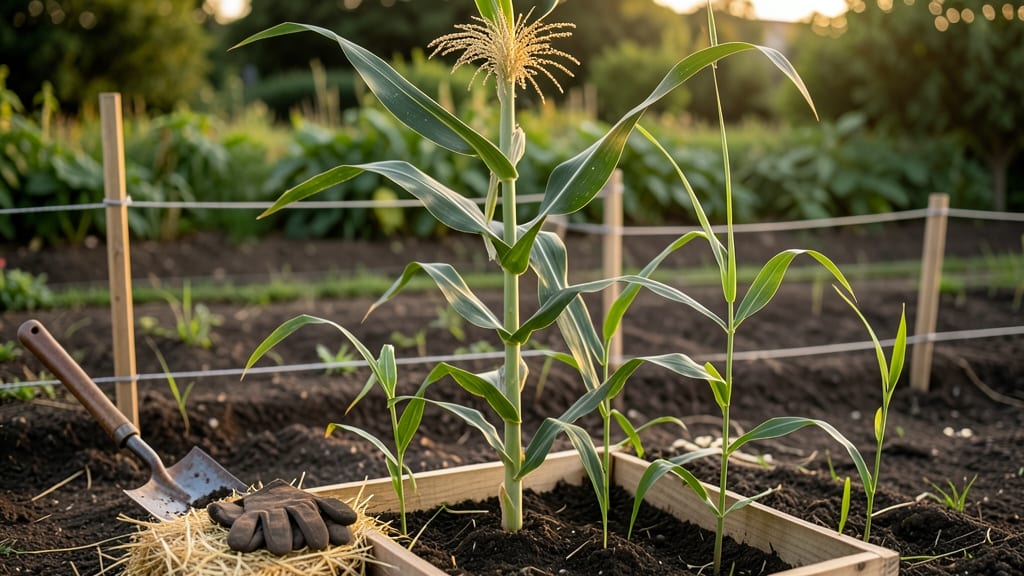
Planting corn in Northern California at the wrong time can mean the difference between a golden harvest of 🌽 and a sad, wilted disappointment. With frost dates shifting from coastal fog to inland heat, timing matters more than most gardeners realize.
If you've ever watched your corn struggle through late frosts or bolt too early in summer heat, you know how frustrating it can be. The key is planting between mid-April and early June—but even that window varies dramatically from Humboldt County to Fresno.
I'll show you exactly when to plant in your specific USDA zone (8a-9a), how to adjust for microclimates, and why soil temperature is just as critical as frost dates. Let's make sure your corn gets the perfect start.
You'll learn how to avoid common mistakes that ruin harvests—like planting too deep in cold soil or choosing varieties that can't handle Northern California's summer heat. Ready to grow corn like a pro?
Northern California corn planting dates by USDA heat Zone (avoid frost & heat stress)
Northern California’s USDA Heat Zones 8a-9a create dramatic differences in corn planting success. Coastal areas like Humboldt County face chilly, foggy springs, while inland valleys like Sacramento experience rapid warming.
The key? Plant when soil hits 60°F and at least 2 weeks after last frost—but never risk late starts that fail to mature before summer’s intense heat.
Most corn varieties need 90-120 days to harvest, so timing is everything. In Zone 8a (cooler coastal), aim for late April to mid-May; in Zone 9a (hotter inland), stretch planting to early June for late-season varieties.
Let’s break it down by county to avoid common pitfalls like frost damage or premature tasseling.
🌱 Key Rule: Use a soil thermometer—corn seeds won’t sprout below 50°F, and roots struggle in cold soil. Wait for consistent 60°F+ days to ensure strong germination.
| County | USDA Zone | Last Frost Date | Ideal Planting Window | Soil Temp Threshold | Best Varieties |
|---|---|---|---|---|---|
| Humboldt | 8a | March 15 | Late April–May 15 | 60°F+ (consistent) | 'Golden Bantam' (75 days), 'Country Gentleman' (110 days) |
| Mendocino | 8b | March 1 | Mid-April–May 10 | 60°F+ (consistent) | 'Ambrosia' (85 days), 'Silver Queen' (90 days) |
| Napa/Sonoma | 9a | February 15 | Late March–June 1 | 60°F+ (sooner in valleys) | 'Peaches and Cream' (80 days), 'Bodacious' (95 days) |
| Sacramento | 9a | March 15 | April 15–June 10 | 60°F+ (rapid warming) | 'Sweet Super' (85 days), 'Temptation' (100 days) |
| Fresno | 9b | March 1 | April 1–June 15 | 65°F+ (heat-tolerant) | 'Pioneer Brand' (110 days), 'Golden Cross Bantam' (80 days) |
Notice how coastal counties (Humboldt, Mendocino) have later planting windows due to persistent fog and slower soil warming. Inland areas like Sacramento and Fresno can start earlier but risk heat stress if planted too late.
For these regions, opt for heat-tolerant varieties like 'Golden Bantam' or 'Pioneer Brand' to extend your harvest window.
Pro tip: Use black plastic mulch in cooler areas to warm soil faster. In hotter zones, shade cloth during peak summer can prevent silk desiccation, which kills ear development. Always check seed packet days-to-maturity—a 90-day variety planted in late May in Humboldt may never produce ears!
For succession planting, stagger seeds every 2 weeks in May to ensure a continuous harvest. In Zone 9a, you can even squeeze in a fall crop by planting early August with fast-maturing varieties like 'Ambrosia' (85 days). Just be prepared for shorter ears—summer’s intensity cuts growth time.
🌡️ Heat Warning: Temperatures above 95°F can cause male flowers (tassels) to dry out before pollinating female silks. If your area hits this, choose shorter-season varieties or use drip irrigation to keep soil cool.
Finally, always account for elevation changes. A mountainous area like Lake Tahoe’s foothills may need 2-3 weeks later than nearby valleys. When in doubt, consult your local Cooperative Extension office—they track real
How to adjust corn planting for Northern California’s microclimates (coastal vs. valley)
Northern California’s microclimates can shift corn planting success from disaster to bounty. Coastal areas like San Francisco and Mendocino experience cooler temperatures and morning fog, while inland valleys like Sacramento and Fresno bake under summer sun.
Adjusting your planting schedule—and variety choice—is key to avoiding frost damage or heat stress.
For coastal regions, where frost lingers until late March or April, opt for early-maturing varieties like 'Golden Bantam' (60 days) or 'Country Gentleman' (85 days). These tolerate cooler soils and shorter growing seasons.
In contrast, Central Valley gardeners can plant longer-season varieties such as 'Peaches and Cream' (90 days) or 'Silver Queen' (110 days), which thrive in warmer soils and longer summers.
🌱
| Microclimate | Last Frost Date | Ideal Planting Window | Recommended Varieties | Key Adjustments |
|---|---|---|---|---|
| Coastal (e.g., San Francisco, Humboldt) | Late March–Early April | Mid-April to late May | 'Golden Bantam', 'Country Gentleman', 'Early Sunglow' | Use black plastic mulch to warm soil; plant near south-facing fences. |
| Inland Valleys (e.g., Sacramento, Fresno) | Mid-March | Late April to early June | 'Peaches and Cream', 'Silver Queen', 'Bodacious' | Prioritize succession planting; avoid late starts after June 15. |
| Mountain Foothills (e.g., Lake Tahoe, Sierra Nevada) | Early May | Late May to early July | 'Golden Cross Bantam', 'Temptation' | Extend season with row covers; choose drought-tolerant types. |
Urban gardeners in heat islands like Sacramento or Stockton face unique challenges. If your soil stays warmer than 85°F by midday, plant shade-tolerant varieties like 'Ambrosia' or use drip irrigation to cool roots.
For coastal fog belts, where humidity lingers, space plants 3 feet apart to improve air circulation and reduce fungal diseases like corn smut.
Succession planting is your secret weapon for extended harvests. In Central Valley areas, sow seeds every 2 weeks from April to early June. Coastal gardeners should stagger plantings every 3 weeks to align with cooler soil temperatures.
This ensures a steady supply of fresh ears from July through September.
🌿
Finally, monitor soil temperature with a soil thermometer—corn seeds need 60°F+ soil to germinate. In cooler microclimates, delay planting until soil warms naturally or use black plastic mulch to accelerate heating. For high-altitude areas, consider container growing with heat mats to jumpstart germination.