
Plants
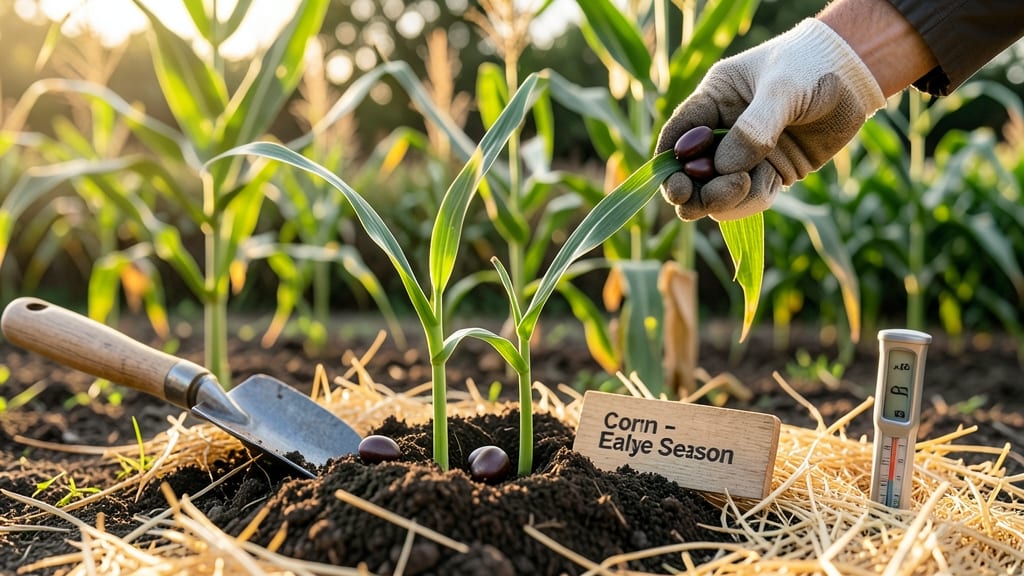
Planting corn in Upstate New York at the wrong time can mean the difference between a bountiful harvest and a disappointing flop—especially when frost lingers longer than expected in zones 5b-6b.
The mid-April to early May window isn’t just a suggestion; it’s your golden ticket to sweet, plump ears of 🌽 that thrive in the region’s shorter growing season.
But here’s the catch: Upstate’s microclimates—from the cooler Adirondacks to the slightly warmer Mohawk Valley—can shift your ideal planting date by 1-2 weeks.
Soil temperature matters just as much as frost dates, and rushing too early can leave your seeds sitting in cold earth, waiting for warmth that never comes.
Don’t worry, though—I’ll walk you through exactly how to time it right, from testing soil warmth to picking the best corn varieties for your local conditions.
Whether you’re a first-time gardener or a seasoned grower, these tips will help you avoid common mistakes and maximize your harvest from late July through October.
Ready to grow corn that outshines the neighbors? Let’s dive into the secrets of Upstate NY’s most reliable planting strategies—so you can enjoy homegrown sweetness without the guesswork.
Upstate NY corn planting dates by frost Zone & microclimate variations
Upstate New York’s corn planting window is narrow—just 6-8 weeks between the last frost and summer heat. Miss it, and you’ll face stunted plants or early frost damage.
The key? Knowing your USDA zone (5b-6b) and local microclimates, like the Finger Lakes’ cooler valleys or the Mohawk Valley’s warmer plains.
Most Upstate gardeners aim to plant corn seeds between mid-April and early May, but timing shifts 1-2 weeks based on elevation and frost history. For example, Adirondack regions (Zone 5b) often wait until late May, while western NY plains (Zone 6a) can start in early April with protection.
Soil temperature is non-negotiable: corn seeds won’t sprout until the soil hits 60°F. In Upstate NY, this usually aligns with late April to early May, but a soil thermometer is your best friend—rent one for $10 or borrow from a local nursery.
Here’s how three key regions differ in planting windows:
| Region | Last Frost Date | Ideal Planting Window | Soil Temp Threshold | Notes |
|---|---|---|---|---|
| Finger Lakes | May 10–20 | Late April–May 10 | 60°F+ | Cooler microclimates; use row covers for early starts. |
| Adirondacks | May 15–25 | Late May–June 1 | 60°F+ | Short season; opt for 85-day varieties. |
| Mohawk Valley | May 5–15 | Early April–May 5 | 55°F+ (earlier with protection) | Warmer soil; can plant early varieties sooner. |
For early varieties (e.g., ‘Golden Bantam’, 85-day maturity), plant as soon as soil warms to 55°F with row covers. Mid-season varieties (e.g., ‘Ambrosia’, 100-day) need late April–May starts, while late varieties (e.g., ‘Pioneer 39T24’, 110-day) can go in early June for fall harvests.
Pro tip: Check Almanac’s frost predictions for your zip code—Upstate NY’s last frost can vary by 10+ days year to year. I’ve planted corn in early April in Batavia (Zone 6a) only to see light frost in late May—always have a backup plan like row covers.
If you’re unsure, stagger plantings: sow half your seeds in early May and the rest 2 weeks later. This spreads your harvest window from late July to September, ensuring you don’t miss the sweet spot.
Corn thrives on warm soil and long days, so avoid planting before May 1 unless you’re using black plastic mulch to warm the soil 2-3 weeks faster. I’ve seen gardeners in Syracuse use this trick to plant 3 weeks early—just remove the mulch once sprouts appear.
Remember: Corn needs 90+ frost-free days to mature. Upstate NY’s 160-day growing season leaves little room for error—choose short-season varieties and plant early to maximize yields.
How to test soil warmth & use frost-proofing tricks for early planting
Corn seeds need soil temperatures of at least 60°F to germinate properly—any cooler, and you’ll face slow sprouting or rot. In Upstate NY, where spring soil warms unevenly, testing becomes non-negotiable.
I’ve learned the hard way that skipping this step can mean waiting weeks for germination or worse, losing your entire crop.
Start checking soil warmth two weeks before your target planting date. Use a soil thermometer (digital ones are most accurate) to measure 4 inches deep, where seeds will sit. If temperatures hover around 50°F or below, your seeds won’t sprout reliably—even if air temps feel spring-like.
To speed up soil warming, I’ve had success with black plastic mulch laid 1–2 weeks before planting. This raises soil temps by 5–10°F and suppresses weeds.
For an even earlier start, use a cold frame or row covers to create a microclimate. Just remove covers once seedlings emerge to avoid overheating.
Another trick? Plant warm-season cover crops like buckwheat in early spring. When you till them under 1–2 weeks before corn, they’ll boost soil temps by 2–3°F while adding organic matter. I’ve seen this cut my waiting time by nearly a week in cooler microclimates like the Adirondacks.
Timing is everything—don’t rush! If soil temps are below 60°F but you’re desperate to plant, consider starter fertilizer (like a 10-10-10 mix) to give seedlings a boost. But combine this with row covers to protect tender shoots from late frosts.
Pro tip: Monitor air temps at night too. If lows dip below 45°F after planting, use floating row covers until danger of frost passes. And remember—patience beats haste. Waiting an extra week for ideal conditions often means healthier plants and a bigger harvest.