
Plants
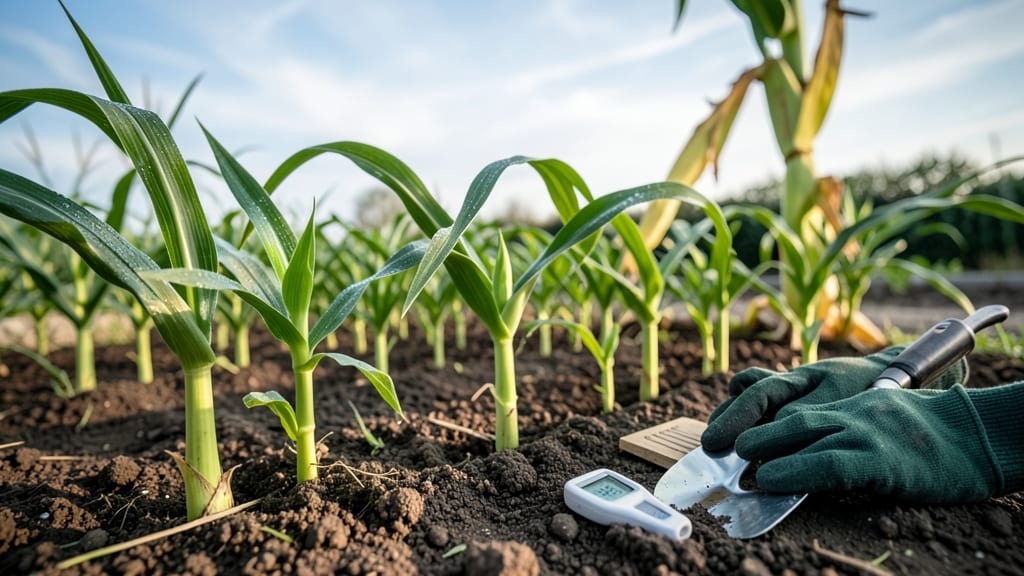
Planting corn in West Virginia at the wrong time can mean the difference between a bountiful harvest and a sad, stunted 🌽 patch—but getting the timing right isn’t just about checking a calendar.
With WV’s 6a climate zone and unpredictable spring weather, soil temperature is the real game-changer. Most gardeners wait until mid-April to late May, but if your soil stays too cool, those seeds will just sit there, waiting for conditions they’ll never get.
I’ll show you exactly how to use soil thermometers (not air temps!) to pinpoint the perfect window for fast germination, plus how to adjust for WV’s highland vs. lowland microclimates. No more guessing—just reliable, science-backed timing for bigger ears and happier plants.
Ready to turn your corn patch from "meh" to "mind-blowing"? Let’s dive into the tricks that’ll have your kernels popping up in record time.
West Virginia corn planting dates by microclimate zone
West Virginia’s diverse geography—from the Allegheny Mountains in the north to the Appalachian Plateau in the south—creates three distinct corn-growing zones. Each has unique last frost dates and soil temperature triggers that dictate the perfect planting window.
Ignoring these regional differences can lead to stunted growth or even total crop failure.
For Northern Mountains (USDA Zone 5b-6a), like Morgantown or Elkins, aim to plant between mid-May and early June. These high-altitude areas often experience late frosts, with the average last frost date hovering around May 15.
Wait until soil temperatures consistently reach 55°F+ at 2 inches deep—corn seeds need warmth to germinate efficiently.
In the Central Valley (Zone 6a-7a), covering Charleston and Huntington, you’ve got a slightly longer window: late April to mid-May. The last frost typically occurs around April 20, but don’t rush—soil in this region can still be chilly.
Target 60°F+ soil temps for optimal germination rates. This zone often sees the fastest corn growth in WV due to its milder microclimate.
The Southern Plateau (Zone 7a-7b), including areas like Beckley and Bluefield, offers the earliest planting opportunities: early to mid-April. With last frosts around April 10, you can sometimes start sowing as early as late March if you’re using a cold frame or row cover.
Aim for 65°F+ soil temps here, as the warmer climate speeds up germination.
| Zone | Last Frost Date | Ideal Planting Window | Soil Temp Threshold | Key Risk |
|---|---|---|---|---|
| Northern Mountains | May 15 | Mid-May to early June | 55°F+ | Late frosts |
| Central Valley | April 20 | Late April to mid-May | 60°F+ | Cold soils |
| Southern Plateau | April 10 | Early to mid-April | 65°F+ | Drought risk |
Pro tip: Use a soil thermometer to verify temperatures—air temperature can be misleading. In my Central Valley garden, I once planted too early based on air temps, only to watch my seeds rot in 48°F soil. Always check the ground, not the forecast!
For high-altitude gardens above 3,000 feet, like those in Pocahontas County, consider using black plastic mulch to warm the soil by 5-10°F. This trick can shave weeks off your planting timeline and extend your harvest window into early fall.
Remember, corn thrives on consistent warmth. If you plant too early and hit a cold snap, germination slows dramatically. In WV’s Zone 6a climate, even a 48-hour dip below 50°F can delay sprouting by a week or more. Plan accordingly!
For gardeners in transitional zones between these regions, like the New River Valley, err on the side of caution. Start with a small test patch in early May and monitor growth closely. If your plants emerge strong and healthy, you can safely expand your planting in subsequent weeks.
🌽
Soil temperature secrets for faster corn germination
West Virginia’s cool mountain soils can delay corn germination by weeks if planted too early. The key to faster sprouts? Soil temperature—not just air temperature. Corn seeds need consistently 50°F+ soil temps to germinate, with ideal conditions at 60°F or warmer.
In high-altitude WV regions like the Northern Mountains, this often means waiting until late May for reliable germination.
Most gardeners check air temperature instead of soil temp, which leads to poor results. A soil thermometer ($10 at garden centers) is your best tool—insert it 2 inches deep (where seeds will be) to get accurate readings.
Morning readings between 60°F and 75°F signal perfect planting conditions. If your soil runs cold, try these natural warming tricks:
For high-altitude WV gardens (elevations over 2,500 feet), consider succession planting in early June if early attempts fail. Late-planted corn may mature slower but still produce sweet kernels if given proper care. Always choose short-season varieties like 'Early Sunglow' (70 days) or 'Silver Queen' (85 days) for mountain regions.
One common mistake? Planting when soil is still damp from spring rains. Cold, wet soil can rot seeds before they sprout. Let beds dry out slightly (moist but not soggy) before planting.
If your soil stays below 50°F into June, switch to fast-growing greens like bush beans or lettuce instead of corn that season.
Pro tip: Test your soil’s warming speed by planting a few seeds in a protected microclimate (like near a south-facing fence) 1-2 weeks earlier than your main patch.
This gives you real-world data for next year’s planting schedule. Most WV gardeners see 3x faster germination when planting at optimal soil temps versus guessing by calendar dates.