
Plants
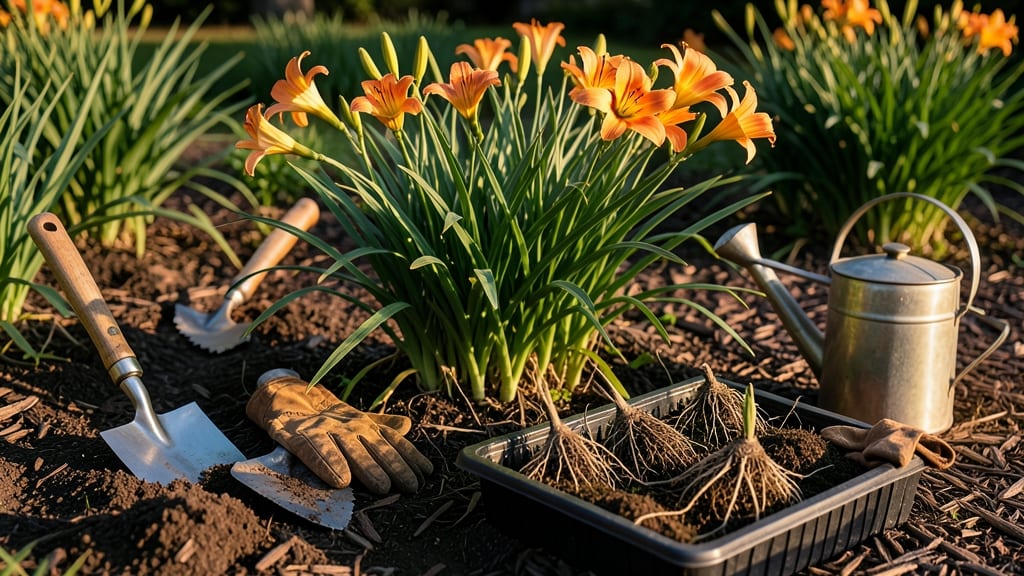
Planting daylilies at the wrong time in Georgia could mean struggling with weak growth or missed blooms—especially in Zone 8A/B where the climate swings from steamy summers to mild winters.
These hardy perennials thrive when planted during the ideal windows of early spring or fall, but timing matters more than you might think.
If you've ever wondered why some daylilies 🌸 seem to explode with color while others barely survive, the answer often lies in when they hit the soil. Georgia's unique frost dates and humidity demand precise planting strategies to give your daylilies the best shot at flourishing.
Let me show you exactly when to plant for maximum blooms and how to adjust for your specific microclimate.
The key to success is understanding soil temperature thresholds and avoiding the stress of summer heat or early frosts.
Whether you're a first-time gardener or a seasoned pro, these insights will help you plant daylilies at the perfect moment—so you can enjoy vibrant blooms from spring through fall without the guesswork.
From soil prep to post-planting care, I'll walk you through everything you need to know to make your daylilies thrive in Georgia's challenging (but rewarding) growing conditions. Let's get started!
Best planting months for daylilies in Georgia (zone 8A/b)
Georgia’s Zone 8A/B climate offers two ideal windows for planting daylilies: early spring and early fall. These timing strategies help daylilies establish strong roots before extreme heat or cold stress. I’ve planted them both ways and found fall planting often yields bigger blooms the following season.
For spring planting, aim for mid-March to early April—after the last frost date (typically March 15 in most of Georgia). This gives plants 6-8 weeks to root before summer’s intense heat. In Zone 8A (colder microclimates like the mountains), wait until late April to avoid late frosts.
Fall planting is my top recommendation for Georgia gardeners. Plant 6-8 weeks before your first frost (usually September 15-October 15). This timing allows roots to establish before winter dormancy, resulting in earlier and more robust blooms the following year.
Daylilies thrive when soil temperatures are between 50-75°F. In Georgia, this means avoiding summer planting (June-August) when soil can exceed 85°F, causing transplant shock. I once tried planting in July and lost 30% of my daylilies to heat stress.
🌱 Georgia Daylily Planting Timeline
| Season | Best Planting Window | Soil Temp | Key Consideration |
|---|---|---|---|
| Spring | Mid-March to Early April | 50-65°F | After last frost, before heat stress |
| Fall | September 15-October 15 | 60-75°F | 6-8 weeks before first frost |
| Summer | Avoid (June-August) | >85°F | High transplant shock risk |
| Winter | November-February | <40°F | Dormancy period - not recommended |
✅ Pro Tip: Test soil temperature with a thermometer before planting for best results.
Adjust your timing based on Georgia’s microclimates. Coastal areas (like Savannah) can plant slightly earlier due to milder winters, while northern Georgia (like Dalton) may need to delay until late April for spring planting.
Always check your local frost dates—the University of Georgia Extension provides free frost maps for your county.
When planting, position daylily crowns at soil level—burying too deep causes rot, while planting too shallow stresses roots. Space them 12-24 inches apart for optimal air circulation, which is crucial in Georgia’s humid climate to prevent fungal diseases like rust.
For container gardening in Georgia, plant in well-draining pots and use a lightweight potting mix. Containers dry out faster in our heat, so water more frequently (every 3-5 days vs. 7-10 days for in-ground plants). I’ve successfully grown daylilies in 12-inch pots on patios with afternoon shade.
After planting, mulch with 2-3 inches of organic mulch (like pine straw) to retain moisture and regulate soil temperature. This is especially important during Georgia’s hot, dry summers when daylilies need consistent moisture to establish roots.
Monitor your daylilies for the first 4-6 weeks post-planting. Look for new growth (indicating successful rooting) and adjust watering as needed. In my garden, fall-planted daylilies often show visible growth by Thanksgiving, while spring-planted ones take until late May.
Remember: Georgia’s humidity and heat mean daylilies need consistent moisture but well-draining soil. Amend heavy clay soils with compost to improve drainage—this is critical for preventing root rot during our wet springs and summers. 🌸
Best planting months for daylilies in Georgia (zone 8A/b)
Georgia’s Zone 8A/B climate gives you two prime windows for planting daylilies: early spring and early fall. These periods align with soil temperatures that encourage strong root growth without stressing the plant.
In my experience, fall planting often yields the most vibrant blooms the following year because cooler temperatures reduce transplant shock.
The ideal planting window in Georgia is mid-March through April for spring and early September through October for fall. These months avoid the extreme heat of summer and the early frosts that can sneak in by November.
If you plant too early in spring, tender roots may struggle with Georgia’s unpredictable late frosts, while summer planting risks heat stress and poor establishment.
Here’s the key: aim for soil temperatures between 60°F and 70°F—this sweet spot gives daylilies the best chance to establish roots before summer’s intensity or winter’s chill sets in. In Georgia, soil typically reaches this temperature by early April and again in late September.
| Season | Planting Window | Soil Temp | Notes |
|---|---|---|---|
| Spring | Mid-March to April | 60°F-70°F | Avoid late frosts; mulch after planting. |
| Fall | Early September to October | 65°F-75°F | Best for established roots before winter. |
| Avoid | May-August | Above 80°F | High heat stress; poor root establishment. |
If you miss the ideal windows, don’t panic! You can still plant in late April or early November, but be prepared for slower establishment. For late spring plantings, provide extra shade and consistent watering to help daylilies acclimate.
In early November, focus on mulching heavily to protect roots from early frosts.
Pro tip: Check your local frost dates—Georgia’s last frost typically occurs around March 15, and the first frost hits November 15. Planting 4-6 weeks before the first frost gives roots time to establish before winter dormancy.
In my garden, I always mark these dates on my calendar to stay ahead of the game.
Remember, daylilies are forgiving, but timing matters. Planting at the right time means fewer pests, stronger growth, and more blooms. With Georgia’s climate, you’re already halfway to success—just follow these windows, and your daylilies will reward you with stunning flowers all season long! 🌸