
Trees
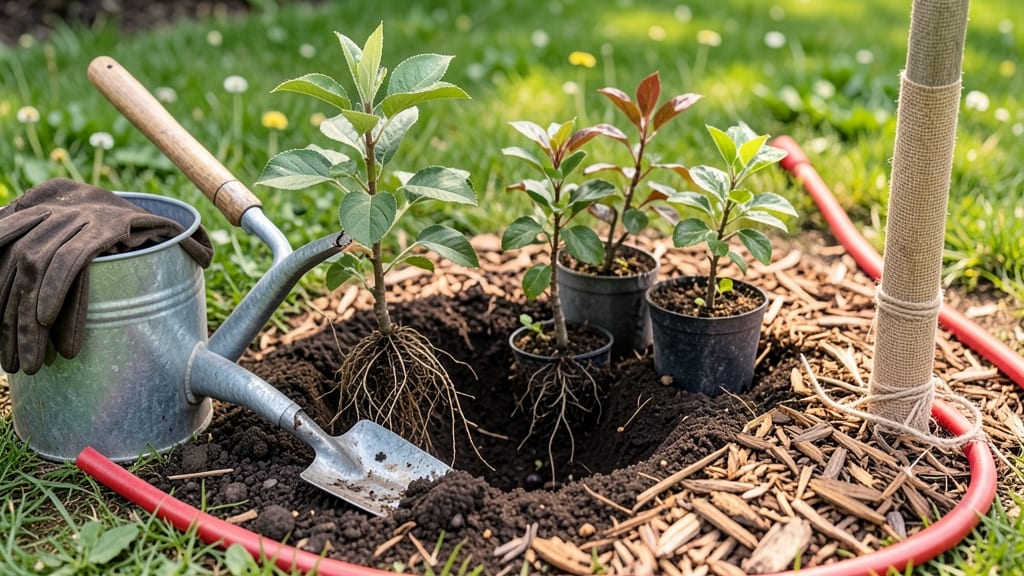
When to plant fruit trees in Illinois could mean the difference between a thriving orchard and years of waiting for that first harvest. Planting too early risks frost damage, while waiting too long might leave your trees struggling to establish roots before winter hits.
With Illinois's USDA Zones 5-6 and chill-hour requirements varying by variety, knowing the ideal window is crucial. Whether you're planting bare-root saplings or container-grown trees, the right timing ensures stronger root systems and better fruit production down the line.
Most gardeners in Illinois swear by early spring (March-April) or fall (October-November) planting, but there's more to it than just picking a month. We'll break down how to match your fruit tree's chill needs with Illinois's frost dates for foolproof success.
From soil prep to frost protection, I'll walk you through everything you need to know to get your fruit trees off to the best possible start. Let's make sure your orchard dreams don't freeze before they even begin!
Illinois fruit tree planting timeline by chill-hour requirements
Illinois' USDA hardiness zones 5-6 create unique challenges for fruit tree growers. The key to success? Matching your tree variety to its required chill hours—the number of hours below 45°F needed to trigger flowering.
Most Illinois varieties need 500-1,000 chill hours, but some southern varieties only need 300-400.
For example, apples and pears thrive with 600-800 chill hours, while peaches and cherries often need 800-1,000+ hours. Planting at the wrong time—like spring—can leave trees vulnerable to late frosts that kill blossoms before fruit sets.
Here’s how to align planting with chill-hour needs:
Spring planting (March-April) works best for bare-root trees in Illinois because the soil is workable and roots can establish before summer heat. However, fall planting (October-November) gives roots time to grow before winter dormancy, reducing transplant shock.
Northern Illinois (e.g., Chicago) has longer winters with more chill hours, so varieties like Honeycrisp apples or Stanley peaches thrive. Southern Illinois (e.g., St. Louis) may need low-chill varieties like Redhaven peaches or Harvest Queen plums.
Always check your local frost dates—Chicago’s last frost is typically April 15, while St. Louis averages April 5. Planting too early risks frost damage to new growth, while waiting too long may delay root establishment.
For container-grown trees, you have more flexibility—plant anytime except winter. But bare-root trees must go in during their dormant season (fall or early spring) to avoid stress.
Pro tip: Use a soil thermometer to confirm soil temps are above 40°F before planting. Cold soil slows root growth and increases transplant shock risk.
🌱
Best fall planting months for Illinois fruit trees: why late season works best
Fall planting is often the secret weapon for Illinois fruit tree success. While spring planting gets all the attention, autumn offers cooler temperatures and moist soil—perfect conditions for root establishment before winter dormancy.
In Illinois, October through November is ideal, giving roots 6-8 weeks to settle before freezing temperatures arrive.
Why does fall work so well? Young trees planted in autumn experience less transplant shock because they enter dormancy naturally. This means faster growth in spring compared to spring-planted trees. Plus, fall soil stays warm enough to encourage root growth without the stress of summer heat or early spring frosts.
Here’s the science behind it: Chill hours (the number of hours below 45°F needed for dormancy) are naturally met in Illinois winters. Planting in fall ensures your tree gets these critical chill hours while still young, setting the stage for better fruit production in future years.
Test soil pH (6.0-7.0) and amend with compost or aged manure. Fall’s mild weather makes this easier than spring.
Choose dwarf or semi-dwarf varieties for smaller spaces. Bare-root trees are best for fall planting.
Ensure the graft union is 2-3 inches above soil level. Use a stake for support if needed.
Apply 3-4 inches of mulch (wood chips or straw) to retain moisture and insulate roots.
Water deeply once a week after planting. Reduce to monthly once frosts arrive.
Use burlap wraps or tree guards if early frosts are forecasted before roots establish.
For Illinois gardeners, timing is everything. Plant too early in fall, and roots may not establish before winter. Plant too late, and the tree could struggle to adapt. Aim for mid-October to early November in most of the state, adjusting slightly for northern zones (Zone 5) where winters arrive earlier.
Pro tip: If you’re in southern Illinois (Zone 6), you can extend planting into early December. Just avoid planting when soil temperatures drop below 40°F, as this can damage young roots.
With the right preparation, fall-planted fruit trees in Illinois will reward you with healthier growth and better harvests for years to come.
🍂