
Trees
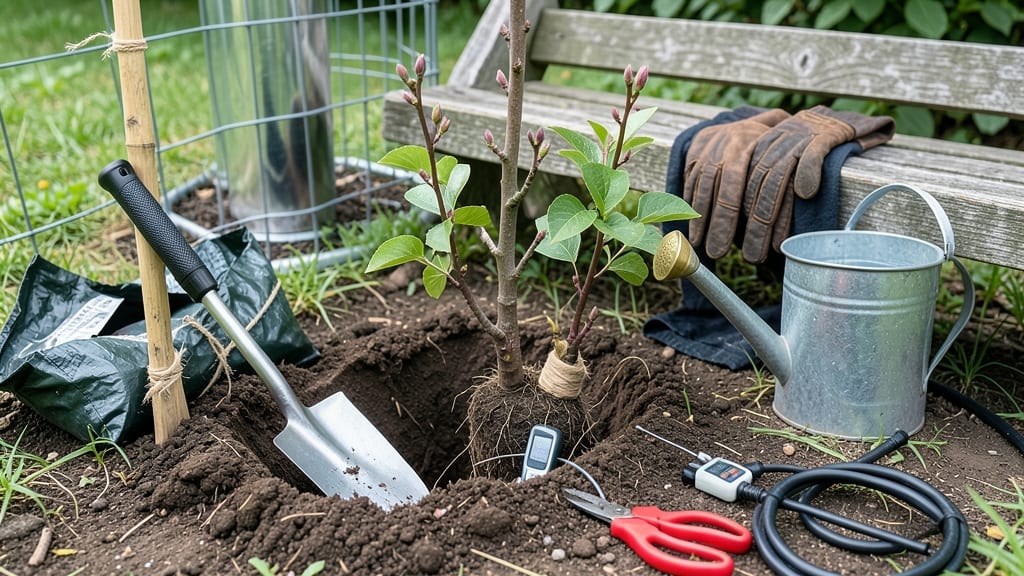
Planting a fruit tree 🍎 in South Carolina at the wrong time could mean waiting years for that first harvest—or worse, losing your young tree to a late frost.
The key to success lies in understanding your specific USDA zone (like 7b-9a) and matching it with the right chill-hour requirements for your chosen variety.
Most gardeners in SC know spring is the ideal window, but timing matters more than you might think. Planting too early risks freeze damage, while waiting too long could stunt root growth before summer heat sets in.
I’ll break down exactly when to dig that hole—whether you’re in the Piedmont’s cooler microclimate or the warmer Coastal Plain.
You’ll also discover how to prep your soil for maximum root development and which fruit trees thrive best in your neck of the woods. From peaches that need 500 chill hours to figs that barely need any, we’ll cover it all so you can plan your orchard with confidence.
Ready to avoid common mistakes and set your fruit trees up for a lifetime of harvests? Let’s get started with the exact planting schedule that works for SC’s unpredictable springs.
Best planting months for fruit trees in SC based on chill-hours
South Carolina's USDA zones 7b-9a create a tricky balance for fruit trees—too early, and a late frost can kill young roots; too late, and your tree won't establish before summer heat sets in.
The golden window is late winter to early spring, specifically February through April, when soil temperatures rise above 60°F but before the average last frost date (March 15). This timing ensures roots grow before leaves unfurl, giving your tree a fighting chance against SC's unpredictable weather patterns.
Chill-hours—the number of hours below 45°F a tree needs to fruit—are critical in SC. High-chill varieties (600+ hours) like 'Redhaven' peaches thrive in the Piedmont region, while low-chill varieties (200-400 hours) such as 'Tropicana' peaches suit the coastal plain.
Planting at the wrong time can leave your tree dormant when it should be growing, or worse, trigger early blooms that get fried by a late-spring freeze.
Here’s the chill-hour breakdown for SC’s most popular fruit trees and their ideal planting windows:
| Fruit Tree | Chill-Hours Needed | Best Planting Month | Notes |
|---|---|---|---|
| Peach (e.g., 'Redhaven') | 600-800 | February-March | Piedmont zones only; blooms early |
| Peach (e.g., 'Tropicana') | 200-400 | March-April | Coastal plain; heat-tolerant |
| Apple (e.g., 'Anna') | 400-500 | February-March | Mid-state zones; cross-pollinate |
| Fig (e.g., 'Celeste') | 0-200 | March-April | Coastal; thrives in heat |
| Pear (e.g., 'Moonglow') | 300-400 | February-March | Piedmont; needs well-drained soil |
For bare-root trees (most common in SC nurseries), aim to plant them within 2 weeks of receipt to prevent root desiccation.
If you can't plant immediately, heap soil around the roots and store them in a cool, dark place (like a refrigerator crisper drawer) until you're ready. Container-grown trees are more flexible but still benefit from spring planting—just avoid the peak summer heat of June-August, when transplant shock becomes deadly.
Pro tip: Use a soil thermometer to confirm soil temps are above 60°F at 6 inches deep before planting.
Cold soil can stunt root growth, leaving your tree vulnerable to disease and pests like peach leaf curl or codling moths, which thrive in stressed trees. Amend your soil with compost or aged manure 2-3 weeks before planting to give roots a nutrient boost.
If you're in Zone 8a or 9a (common in the coastal plain), you might also consider fall planting in October-November for low-chill varieties. This gives roots time to establish before winter dormancy, but avoid planting after November 15, when the first frost typically arrives.
For Zone 7b (Piedmont), stick to spring planting—fall is too risky due to early freezes.
One critical mistake many SC gardeners make is planting high-chill varieties in low-chill zones (or vice versa). For example, a 'Elberta' peach (800+ chill-hours) planted in Charleston will never fruit because it won’t get enough winter chill.
Always check the chill-hour requirements of your chosen variety against your local USDA zone and microclimate—coastal areas are often 1-2 zones warmer than inland regions.
Finally, don’t forget to mulch heavily (3-4 inches of
Best planting months for fruit trees in SC based on chill-hours
South Carolina's USDA zones 7b-9a create unique challenges for fruit tree planting, especially with chill-hour requirements varying dramatically across regions. Peaches and apples need 400-800 chill hours, while figs and loquats thrive with 200-300 chill hours. Planting at the wrong time risks freeze damage or poor fruit set.
For most high-chill varieties like 'Elberta' peaches or 'Fuji' apples, aim to plant between late February and early April. This window ensures roots establish before spring warmth triggers growth. Low-chill varieties (e.g., 'Tropicana' peach) can handle January planting in coastal areas.
🌱
| Fruit Type | Chill-Hour Needs | Best Planting Window | SC Region Fit |
|---|---|---|---|
| Peaches | 400-800 hrs | Feb 20 - Mar 15 | Piedmont, Upstate |
| Apples | 600-900 hrs | Mar 1 - Apr 10 | Upstate only |
| Figs | 200-300 hrs | Jan 15 - Feb 20 | Coastal, Midlands |
| Pears | 300-500 hrs | Feb 15 - Mar 10 | Midlands, Piedmont |
| Loquats | 250-350 hrs | Jan 10 - Feb 10 | Coastal, Lowcountry |
Always check your local last frost date—Upstate SC (e.g., Greenville) averages March 15, while Charleston's coastal areas may see frost as late as March 25. Planting 6 weeks before your region's last frost gives roots time to establish without competing with spring growth.
For bare-root trees, plant immediately after purchase to prevent root desiccation. Container-grown trees offer more flexibility but require soil temperature checks—wait until soil reaches 60°F+ at 6 inches deep. Use a soil thermometer to avoid planting too early when roots can't absorb nutrients.
🌡️
Pro tip: If your area experiences unpredictable late frosts (common in SC's transition zones), consider dwarf varieties like 'Bonanza' peach—they fruit earlier and are less vulnerable to late-season freezes. Always monitor National Weather Service alerts for 32°F warnings during bloom time.