
Planting
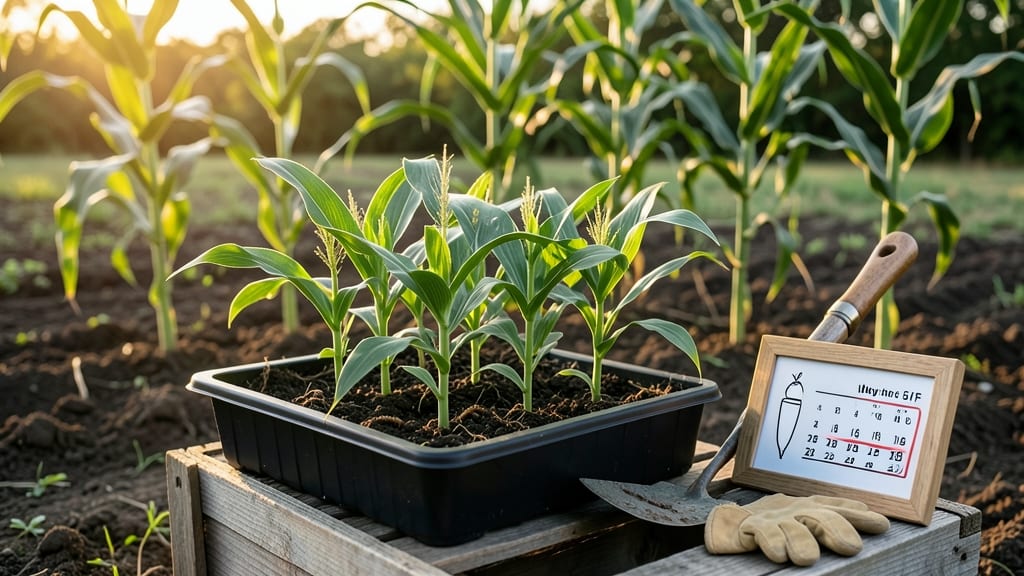
Timing your garden planting in Iowa can feel like guessing when the last frost will finally say goodbye—one week too early, and your tender seedlings become a sad snack for hungry critters.
The key to avoiding this common gardener’s nightmare? Understanding USDA Zone 5b’s frost-free deadlines and how Iowa’s unpredictable spring weather plays into your planting schedule.
I’ve spent years watching my own garden transform from a hopeful patch of soil to a thriving harvest, and the difference between success and disappointment often comes down to those first few weeks.
Whether you’re sowing cool-season crops like spinach or waiting for the soil to warm up for tomatoes, knowing the right time to plant can mean the difference between a bumper crop and a disappointing flop.
In this guide, I’ll break down exactly when to plant your garden in Iowa, from hardy greens to heat-loving veggies, so you can maximize your growing season without the stress. Let’s dive into the strategies that actually work for Iowa’s variable climate.
From using soil thermometers to adjusting for early frosts, you’ll learn how to give your garden the best possible start—no more guessing, just confident planting.
Iowa’s frost-free planting deadlines by month (zone 5b guide)
Iowa’s USDA Zone 5b climate means gardeners must work with a 120–150-day growing season, depending on location.
The average last frost date in most of Iowa falls between April 15 and May 10, but this varies by county—northern areas like Sioux City may wait until May 15, while southern regions like Des Moines often see frost-free conditions by April 25.
Always check Iowa State University’s frost maps for your specific area.
To plan effectively, divide your garden into cool-season and warm-season crops. Cool-season plants (like peas, lettuce, and spinach) tolerate light frosts and can be sown 4–6 weeks before the last frost date.
Meanwhile, warm-season crops (tomatoes, peppers, cucumbers) need soil temperatures above 55°F (13°C) and should wait until 2 weeks after the last frost to ensure survival.
Soil temperature is just as critical as air temperature. Use a soil thermometer to confirm readiness—most warm-season crops require 60–65°F (16–18°C) soil temps. In Iowa, this typically aligns with mid-May for southern regions and early June in the north. Cold soil can stunt seed germination or lead to disease-prone seedlings.
For herbs and flowers, timing varies. Hardy annuals like marigolds or calendula can go in the ground as early as mid-April if covered with row fabric. Delicate perennials (e.g., lavender) should wait until after the last frost to avoid shock.
Always check seed packets for days to maturity—this helps schedule harvests before Iowa’s first frost (Sept 15–Oct 15).
📅 Iowa Planting Timeline by Month (Zone 5b)
| Month | Cool-Season Crops | Warm-Season Crops | Soil Temp Goal | Notes |
|---|---|---|---|---|
| March | Start indoors: Broccoli, Cabbage, Kale | — | 40–50°F (4–10°C) | Use grow lights; risk of frost |
| April | Direct sow: Peas, Spinach, Lettuce | — | 45–55°F (7–13°C) | Cover with row fabric for frost protection |
| May | Direct sow: Radishes, Carrots, Beets | Transplant: Tomatoes, Peppers (after May 15) | 55–65°F (13–18°C) | Wait for soil to warm; use black plastic mulch |
| June | Sow succession crops: Bush Beans, Zucchini | Direct sow: Corn, Cucumbers, Melons | 60–70°F (16–21°C) | Ideal for warm-season veggies; mulch heavily |
| July–August | Sow late crops: Kale, Spinach (for fall) | Harvest warm-season crops | 50–60°F (10–16°C) | Prepare for first frost; extend season with row covers |
Source: Iowa State University Extension & USDA Climate Data
Iowa’s clay-heavy soils can delay warming, so amend beds with compost or aged manure in early spring to improve drainage and heat absorption. For container gardening, use black pots—they absorb heat faster than traditional terracotta.
If you’re unsure about your last frost date, use a frost-sensitive plant like coleus as a bio-indicator: plant it outdoors, and when it thrives for 2 weeks, warm-season crops are safe to go in.
Another pro tip: Succession plant heat-loving crops like bush beans or summer squash every 2 weeks through July to maximize harvests. In Iowa, this ensures you’re not left with a glut of zucchini right before frost!
Pair fast-maturing varieties (e.g., ’Early Girl’ tomatoes) with slower growers (e.g., ’Brandywine’ tomatoes) to stagger ripening.
Don’t forget about perennials and bulbs. In Iowa, plant spring-blooming
How to extend Iowa’s short growing season with smart planting strategies
Iowa’s USDA Zone 5b growing season is short—only about 130 frost-free days on average—but with the right strategies, you can squeeze out extra harvests. The key lies in succession planting, cold-hardy varieties, and protective covers that shield tender plants from late frosts or early chills.
Start by planting fast-maturing crops like bush beans and radishes in early May, then follow with tomatoes and peppers once soil warms to 60°F. For late-season extensions, try kale, spinach, and carrots in early August—they’ll thrive in cooler weather and may even survive light frosts.
🌱 Pro Tip: Use row covers (lightweight fabric) to protect seedlings from unexpected frosts. These can raise soil temps by 5–8°F and extend your planting window by 2–3 weeks.
For urban gardeners, container gardening is a game-changer. Move pots to sunnier spots as the season progresses, or use self-watering planters to keep soil moist during Iowa’s dry spells. Even a 10-gallon container can yield 6–8 tomatoes if planted with cold-tolerant varieties like ‘Stupice’.
Don’t overlook late-season harvests—many greens like spinach and arugula taste sweeter after a light frost. Mulch heavily with straw or leaves to insulate roots and keep soil warm longer. This simple trick can add 3–4 extra weeks to your growing season.
Finally, keep a planting journal to track what works in your specific Iowa microclimate. Note which varieties thrive, when you planted them, and any weather surprises. Over time, you’ll fine-tune your schedule to outsmart Iowa’s unpredictable springs and early autumn frosts. 🌿