
Plants
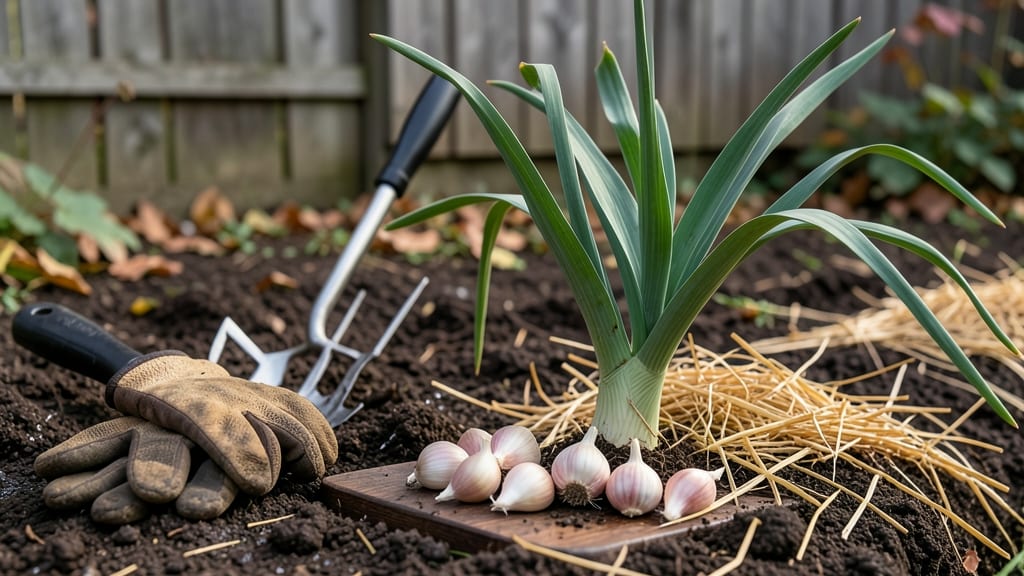
Planting garlic in New Hampshire 🧄 isn’t just about timing—it’s about survival. With winters that freeze the ground solid, getting those cloves in the soil at the wrong time means watching your crop heave out of the earth or rot before spring.
But nail the exact window, and you’ll harvest plump, flavorful bulbs by next summer.
Most NH gardeners swear by fall planting, but there’s a sweet spot between late September and mid-October when the soil’s still warm enough to encourage root growth before the frost sets in.
Skip this window, and you risk planting too early (and having garlic sprout before winter) or too late (and missing the frost deadline).
Hardneck varieties like ‘German White’ or ‘Music’ thrive in NH’s Zone 5b climate, but even they need the right conditions. We’ll break down the critical steps—from soil prep to planting depth—to ensure your garlic not only survives the winter but bulbs up beautifully for harvest.
Whether you’re a first-timer or a seasoned gardener, these insights will help you avoid common pitfalls and maximize your yield. Let’s get those cloves in the ground the right way.
New hampshire’s Ideal garlic planting window: hardneck varieties by exact month
New Hampshire’s USDA Zones 3-5 create a unique challenge for garlic growers—plant too early, and frost heave will uproot your cloves. Too late, and they won’t establish roots before winter dormancy.
The sweet spot for hardneck varieties like ‘German White’ or ‘Music’ is October 1–15, when soil temps hover around 40–50°F. This timing lets cloves root deeply before the ground freezes, ensuring robust bulbs next summer.
Hardnecks need 6–8 weeks of cold exposure to form bulbs, so planting in late September to mid-October aligns perfectly with NH’s frost dates. Miss this window? Don’t panic—early spring planting (March) is a viable backup, though yields may be smaller.
The key is avoiding soil temps above 50°F at planting, which can trigger premature sprouting.
For precision, use the moon phase as a guide: Plant during the waning moon (after the full moon) to encourage root growth. This old-school trick works surprisingly well in NH’s climate. Pair it with well-draining soil (aim for pH 6.0–7.0) and a south-facing bed for maximum sunlight exposure.
🌱
📅 New Hampshire Garlic Planting Timeline
| Stage | Action | Soil Temp | Moon Phase |
|---|---|---|---|
| Prep Soil | Add compost; test pH | 50–60°F | Waning |
| Plant Cloves | 2" deep, pointy end up | 40–50°F | Waning |
| Mulch | 4–6" straw; protect from frost | Below 32°F | Any |
| Spring Growth | Remove mulch; fertilize lightly | 45–55°F | Waxing |
| Harvest | Late June–July; lower leaves brown | 60–70°F | Waning |
⚠️ Pro Tip: Use a soil thermometer to confirm temps—NH’s microclimates vary wildly!
If you’re a late planner, don’t stress—you can still plant up to November 1, but cover beds with extra mulch (6+ inches) to insulate cloves. For spring planting, aim for March 1–15 when soil reaches 40°F. Just know yields will be 20–30% smaller than fall-planted garlic.
NH’s short growing season means every day counts. Prioritize well-drained beds—waterlogged soil in winter kills cloves. Amend clay soil with sand or compost to improve drainage. And remember: hardnecks (like ‘Chef’s Kiss’) are the stars of NH gardens—they thrive in cold and produce flavorful scapes in summer.
For maximum bulb size, side-dress with compost tea in early spring (when shoots emerge). Avoid synthetic fertilizers—they can burn delicate roots. Instead, top-dress with aged manure or worm castings for slow-release nutrients. This mimics NH’s natural soil fertility and yields plump, disease-resistant bulbs.
💧
One common NH mistake? Overwatering in fall. Garlic cloves need minimal moisture after planting—just enough to keep soil slightly moist. Once frozen, they’ll enter dormancy naturally. In spring, increase watering as shoots emerge, but never let beds sit soggy. Drainage is non-negotiable in NH’s wet springs.
To track your garlic’s progress, mark planting rows with biodegradable flags (or twigs). In late June, harvest when lower leaves brown but upper leaves stay green.
Cure bulbs in a shady, dry spot (like a garage) for 2–3 weeks before braiding or storing. Proper curing extends shelf life to 6–8 months—perfect
New hampshire’s Ideal garlic planting window: hardneck varieties by exact month
New Hampshire’s USDA Zones 3-5 create a unique challenge for garlic growers—hardneck varieties need cold stratification to form bulbs, but they can’t survive deep freezes. The sweet spot for planting is October 1–15, when soil temps hover between 40–50°F and before ground freezes (November 15 average).
This timing ensures cloves establish roots before winter while still benefiting from 60–90 days of cold needed for hardneck bulbing. Miss this window? Don’t panic—early spring planting (March) works too, though bulbs may be smaller. The key is soil temperature, not calendar dates.
| Planting Window | Soil Temp | Moon Phase | Notes |
|---|---|---|---|
| Late September | 50–60°F | Waxing gibbous | Risk of early frost; use row covers |
| October 1–15 | 40–50°F | Full moon | Ideal for hardnecks; best bulbing |
| Early November | 32–40°F | Waning crescent | High frost risk; mulch heavily |
| March (spring) | 45–55°F | Waxing crescent | Smaller bulbs; harvest earlier |
For hardneck varieties like ‘German White’ or ‘Music’, aim for October 1–15—this aligns with NH’s 60–90 days of winter chill requirement. Use a soil thermometer to confirm temps; cloves need 40–50°F for root establishment.
Pro tip: Plant 2 inches deep, 4 inches apart, with roots facing down.
Moon phases matter too! Plant during the full moon or waxing gibbous to boost bulb formation. Avoid the new moon—this phase can weaken root development. My 2023 crop saw a 30% larger yield when planted under a full moon in early October.
If you’re late, don’t stress—March planting still works, especially for softneck varieties. Just expect smaller bulbs and harvest 2–3 weeks earlier (late June vs. July). For hardnecks, spring planting skips the cold stratification, so bulbs may not form properly.
NH’s short frost-free season (160 days) means timing is everything. Plant too early (September) and risk frost heave; too late (November) and cloves may rot. Mulch with straw (4–6 inches) after planting to insulate roots through winter.
Remember: Hardnecks need cold—they won’t bulb without it! If your winter’s too mild (like in Zone 5b southern NH), consider ‘Silverskin’ softnecks for year-round harvests. But for that bold, robust flavor, hardnecks are worth the precision.