
Planting
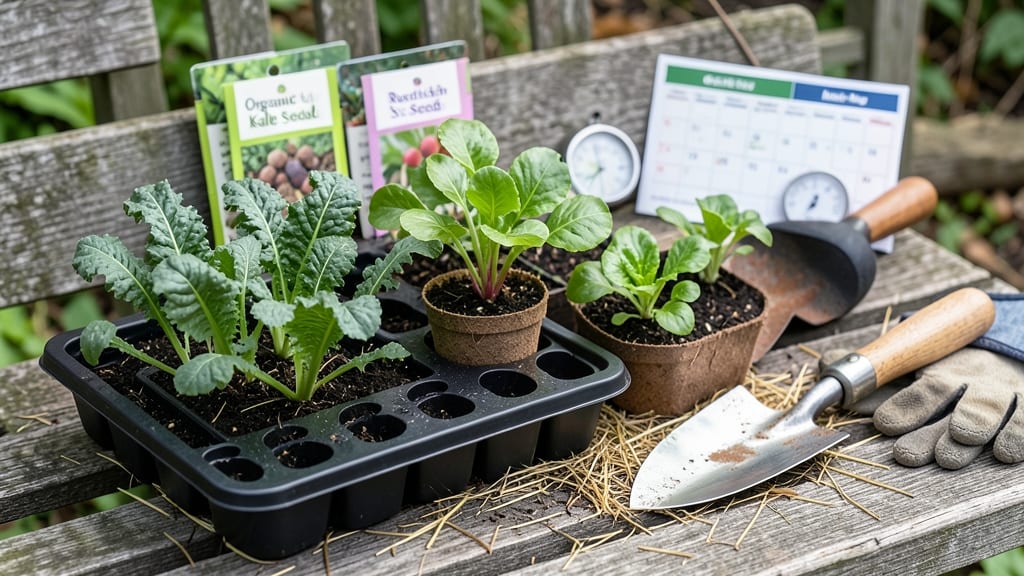
When to plant a vegetable garden in New Brunswick is the difference between a bountiful harvest and a disappointing loss—and the 5b hardiness zone plays a bigger role than you might think.
With frost dates that can shift from mid-May to early October, knowing exactly when to plant your 🌱 garden isn’t just helpful—it’s essential. Whether you’re dreaming of crisp lettuce in June or juicy tomatoes by August, getting the timing right means healthier plants and more food on your table.
I’ll break down the best planting windows for spring and fall, including how to adjust for coastal vs. inland microclimates. By the end, you’ll know exactly when to start seeds indoors, transplant seedlings, and even extend your growing season with simple tricks.
Ready to turn your garden into a year-round success? Let’s dive into the frost-free calendar that works for New Brunswick’s unique climate.
New Brunswick’s frost-free dates by hardiness Zone (2024 planting guide)
New Brunswick’s hardiness zones (primarily Zone 4b–6a) dictate your planting timeline, but local microclimates can shift dates by 2–3 weeks. Coastal areas like Saint John often enjoy earlier last frosts (mid-April), while inland regions like Fredericton may see frost linger until early May.
Always use the 10-day rule: Wait 10 days after your average last frost to plant warm-season crops like tomatoes or peppers.
For cool-season crops, start seeds 4–6 weeks before your last frost—spinach and peas thrive in March–April soil temps as low as 40°F (4°C). Warm-season crops need soil temps above 55°F (13°C) to germinate, typically after May 15 in most zones.
Check local Almanac frost date maps for real-time updates, as climate shifts can delay frosts by 1–2 weeks.
| Zone | Last Frost (Avg.) | First Frost (Avg.) | Plant Warm Crops After | Notes |
|---|---|---|---|---|
| Zone 4b (Saint John, Miramichi) | Mid-April | Mid-October | May 10 | Coastal areas warm faster |
| Zone 5a (Fredericton, Moncton) | Early May | Late September | May 25 | Inland zones lag 7–10 days |
| Zone 6a (Grand Falls, Edmundston) | Late April | Early October | May 15 | Longer growing season |
Use black plastic mulch or cloche tunnels to warm soil 2–3 weeks earlier for heat-loving crops. For example, in Zone 5a, tomatoes planted June 1 (instead of May 25) still yield well if protected.
Track your local frost history—some years, like 2020, saw late May frosts in Fredericton, catching gardeners off guard.
If you’re in Zone 4b, prioritize fast-maturing varieties (e.g., ‘Early Girl’ tomatoes or ‘Sugar Ann’ peas) to beat early frosts. In Zone 6a, you can squeeze in late-season plantings like kale or radishes until August 15.
Always monitor soil temps with a thermometer—cool, wet springs delay planting by 10+ days.
Pro tip: Succession plant lettuce or bush beans every 2 weeks from May to July for continuous harvests. In Zone 5a, this means 4 planting batches before the first frost. Use row covers to extend harvests into October for spinach or carrots.
For container gardening, move pots to sheltered spots at night to avoid 32°F (0°C) frosts. Urban areas like Moncton benefit from heat islands, allowing 2-week earlier plantings than rural zones. Always test your soil’s drainage—waterlogged soil from spring rains can delay planting by 3+ weeks.
New Brunswick’s short growing season (average 160 frost-free days) demands smart planning. Start indoor seedlings in March for tomatoes, peppers, and eggplants to maximize yields.
Harden off seedlings 2 weeks before your last frost date. For direct-sown crops, like carrots or beets, wait until soil temps hit 50°F (10°C).
Don’t forget fall planting! In Zone 5a, sow spinach or garlic by September 15 for spring harvests. Use straw mulch to insulate soil and protect crops from early October frosts. With these zone-specific dates, you’ll avoid the
Best vegetables to plant by month in New Brunswick (Zone-specific schedule)
New Brunswick’s short but productive growing season demands smart planning—cool-season crops thrive in spring, while warm-season favorites need summer’s warmth. Zone 5b gardeners can extend harvests by aligning plantings with monthly temperature shifts and frost risks. Start with hardy greens in March, then transition to heat-lovers by June.
For continuous harvests, use succession planting—sow lettuce every 2 weeks from May to August, or replant beans when early batches mature. Peas and spinach love spring’s cool air, while tomatoes and peppers beg for July’s heat.
Coastal areas (like Saint John) enjoy 2–3 weeks earlier planting than inland zones.
🌱 Pro Tip: Check local frost dates annually—they shift slightly each year. Use row covers to protect tender seedlings if late frosts linger.
- March: Peas, spinach, kale (hardy to 20°F)
- April: Lettuce, radishes, carrots (soil 40°F+)
- May: Broccoli, cabbage, onions (after last frost)
- June: Tomatoes, peppers, cucumbers (soil 60°F+)
- July: Beans, squash, corn (warm soil 70°F+)
- August: Fall lettuce, kale, garlic (for late harvests)
Inland areas (e.g., Fredericton) face earlier frosts than coastal regions—prioritize fast-maturing varieties like bush beans (50 days) or radishes (25 days). Succession plant every 2 weeks for continuous yields, especially with leafy greens and herbs. For example, sow basil every 3 weeks from June to August.
🌿 Warning: Avoid planting warm-season crops before soil warms—cold soil stunts roots. Test soil temp with a thermometer (60°F+ for tomatoes) or wait until mid-June for heat-lovers.
Extend your season by planting cool-season crops in August—kale, spinach, and radishes thrive in fall’s crisp air. Use row covers to shield seedlings from early October frosts and harvest until first frost (mid-October). Save seeds from your best performers for next year!
🌱 Key Takeaway: New Brunswick’s 160 frost-free days mean focus on quick growers and succession planting. Start early with cool crops, then shift to heat-lovers as summer arrives.